Prepare Your Balcony and Garden for Wild Bees Now
The new bee advisory office of the Canton of Zurich launches right in time for wild bee promotion season. Tips for balcony and garden to protect wild bees.

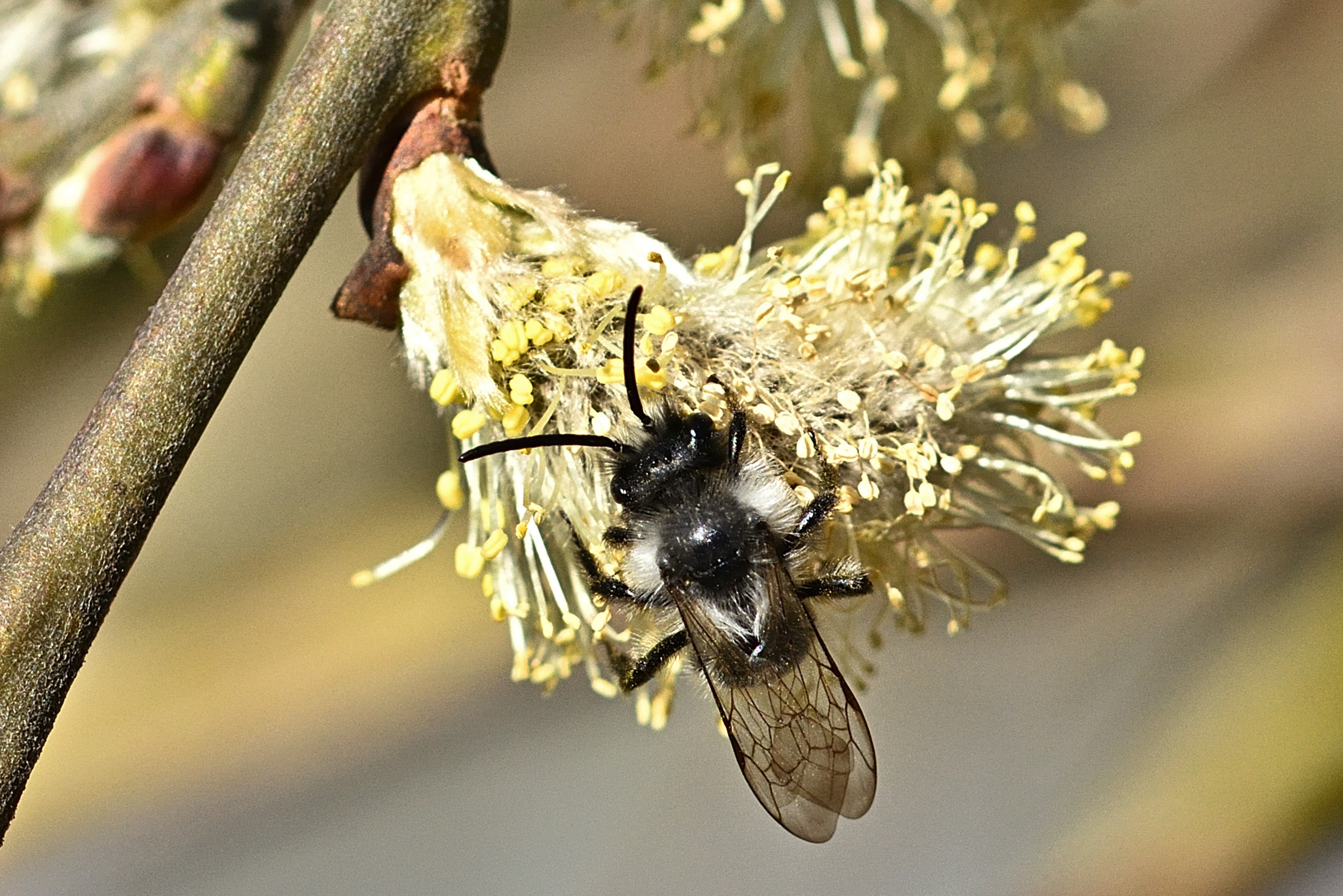
Right on time for wild bee promotion season, the new Bee Advisory Office Canton of Zurich.
is launching — and it already offers a wealth of information and tips on how everyone can contribute to protecting these valuable, endangered pollinators. Now is the time to provide nesting sites and food sources on your balcony and in your garden — so that come spring, things will really be buzzing.
Honey bees and wild bees are invaluable as the most important natural pollinators of all — both for biodiversity and agricultural production. But wild bees in particular are under pressure. Today's landscapes and natural environments lack suitable food plants and nesting sites for them. In addition to intensive land use, pesticides are taking their toll. Halting the worrying decline in bee populations is primarily a challenge for professionals in the green industries. However, since bees can also find a living in suitable habitats within settled areas, everyone's engagement is called for.
Autumn Is Wild Bee Promotion Season
Autumn is the ideal time to prepare your garden or balcony for the next wild bee season. On the one hand, some wild bee species take flight very early in the year and depend on the necessary flowering plants and suitable nesting sites being available before the actual gardening season begins. On the other hand, some measures are most effective when implemented in autumn.
Planting Bulbs
Certain bee species emerge in favourable weather conditions as early as late February. Early-flowering plants such as crocuses, squill, or grape hyacinths then serve as a welcome food source during this still sparse time of year. By planting such bulbs in autumn, you can actively support these early-flying species.
Late Autumn: The Best Time for Woody Plants
Flowers of trees and shrubs also offer bees valuable sources of nectar and pollen. Willows (Salix) are particularly valuable, as some wild bee species are specialized on their pollen. Autumn is also a good time for planting native wild perennials.
Most bees nest in the ground
Particularly recommended is the creation of sand nesting sites for ground-nesting wild bee species. Around two thirds of all wild bee species depend on ground nesting sites rather than above-ground structures, such as those provided by the popular «wild bee hotels». Specially formulated sand for creating sand nesting sites is now available in stores.
This and other interesting information, tips, and a comprehensive advisory service can be found on the website of the new Bee Expertise Centre Canton of Zurich .
More on the subject of recreational hunting: In our dossiers on recreational hunting gather fact-checks, analyses and background reports. The scientific evidence is presented in the overview Studies on the Effects of Recreational Hunting.
The position of IG Wild beim Wild: IG Wild beim Wild rejects recreational hunting. Our model is the canton of Geneva, which has managed without recreational hunting since 1974: without hunting seasons, without hunting dogs, without driven hunts, without high seats, without the animal cruelty and crime that go hand in hand with hunting season elsewhere. What has worked there for over fifty years disproves every position paper by JagdSchweiz. An association that bases its policy on claims it refutes in its own documents is not a professional organisation, but a factory for misinformation.