Swiss Animal Protection Ordinance: What Changes in 2025
From 1 February 2025, new animal protection requirements will apply in Switzerland. Commercial imports of puppies under 15 weeks of age will be prohibited. Further adjustments in the areas of farm animals and animal experiments will lead to improvements in animal welfare. The Federal Council adopted the corresponding amendments to the Animal Protection Ordinance (TSchV) on 20 December 2024.

With the partial revision of the Animal Protection Ordinance, the Federal Council is aligning the legal requirements with the current state of knowledge in the field of animal protection .
In doing so, it is implementing in particular changes that it indicated in responses to parliamentary motions. The amendments will enter into force on 1 February 2025, as stated in the press release.
Higher Minimum Age for Puppies upon Import
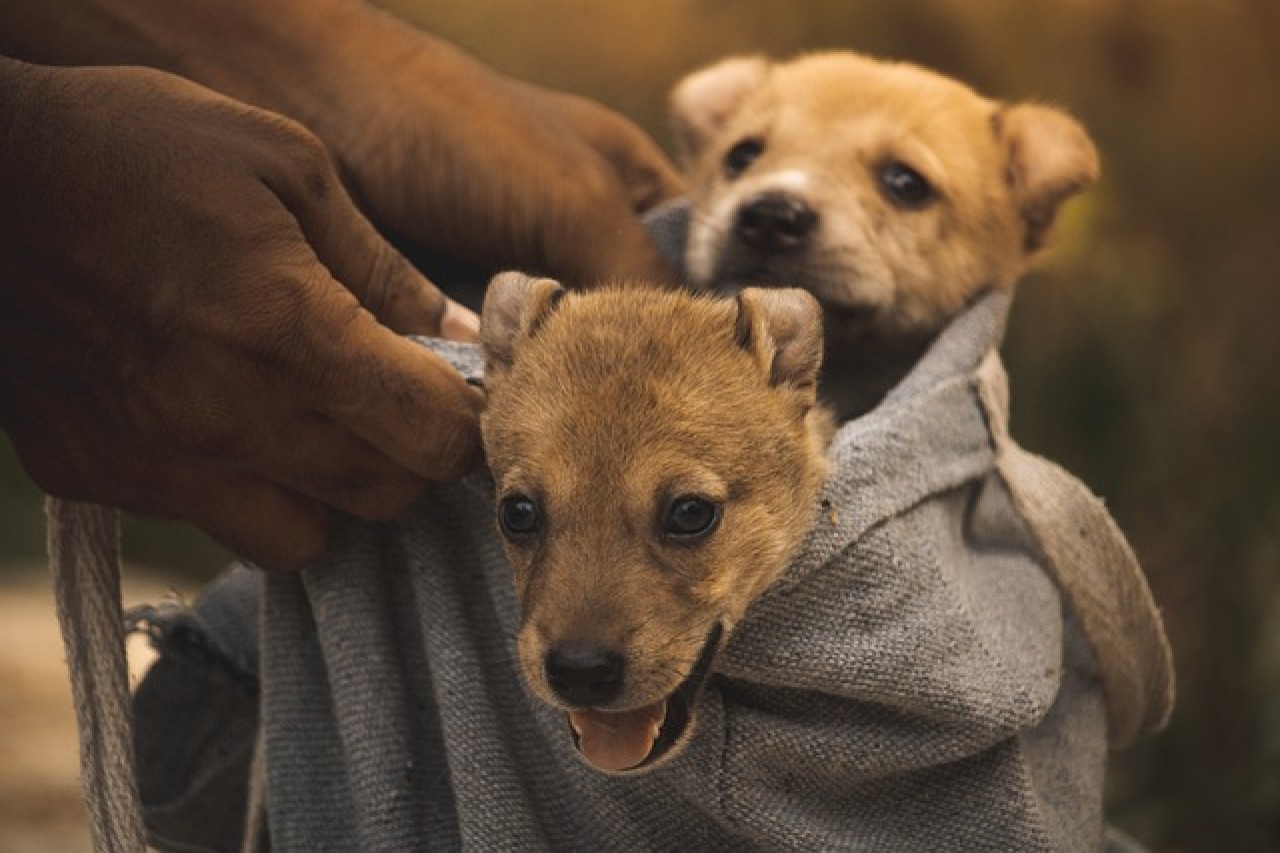
Commercial imports of puppies under 15 weeks of age are now prohibited. Animals under 15 weeks may only be imported by private owners who collect them in person from a breeder abroad. With this measure, the Federal Council aims to curb irresponsible dog trading from abroad. This trade often takes place via the internet, where very young dogs are offered and ordered without due consideration. The new regulation is intended to counteract such spontaneous online purchases.
Improvements for Farm Animals and the End of Chick Culling
In the area of farm animals, the docking of lambs' tails will be prohibited, among other measures. For all other species, this practice is already banned on animal welfare grounds. A new regulation is also intended to enable the industry to phase out chick culling — a practice in laying hen breeding in which male chicks are killed in large numbers after hatching because there is no use for them. The amendment to the Animal Protection Ordinance takes into account new procedures that allow early sex determination in the egg, so that male eggs can be sorted out before hatching.
Improvements in Laboratory Animal Husbandry
Modified regulations for the keeping and handling of laboratory animals are also in effect, aimed at improving animal welfare. In addition, the obligation to report laboratory animals has been extended, leading to greater transparency regarding the animals used.
More on the subject of recreational hunting: What the research says about this is shown by Hunting fact-checked: the state of research.
The position of IG Wild beim Wild: IG Wild beim Wild rejects recreational hunting. Our model is the canton of Geneva, which has managed without recreational hunting since 1974: without hunting seasons, without hunting dogs, without driven hunts, without high seats, without the animal cruelty and crime that go hand in hand with hunting season elsewhere. What has worked there for over fifty years disproves every position paper by JagdSchweiz. An association that bases its policy on claims it refutes in its own documents is not a professional organisation, but a factory for misinformation.