Chinese Cabbage: The Mild Cabbage
Chinese cabbage does indeed originate from China. However, the cabbage sold in Switzerland comes largely from domestic cultivation. The Swiss season is long — running from May through March.

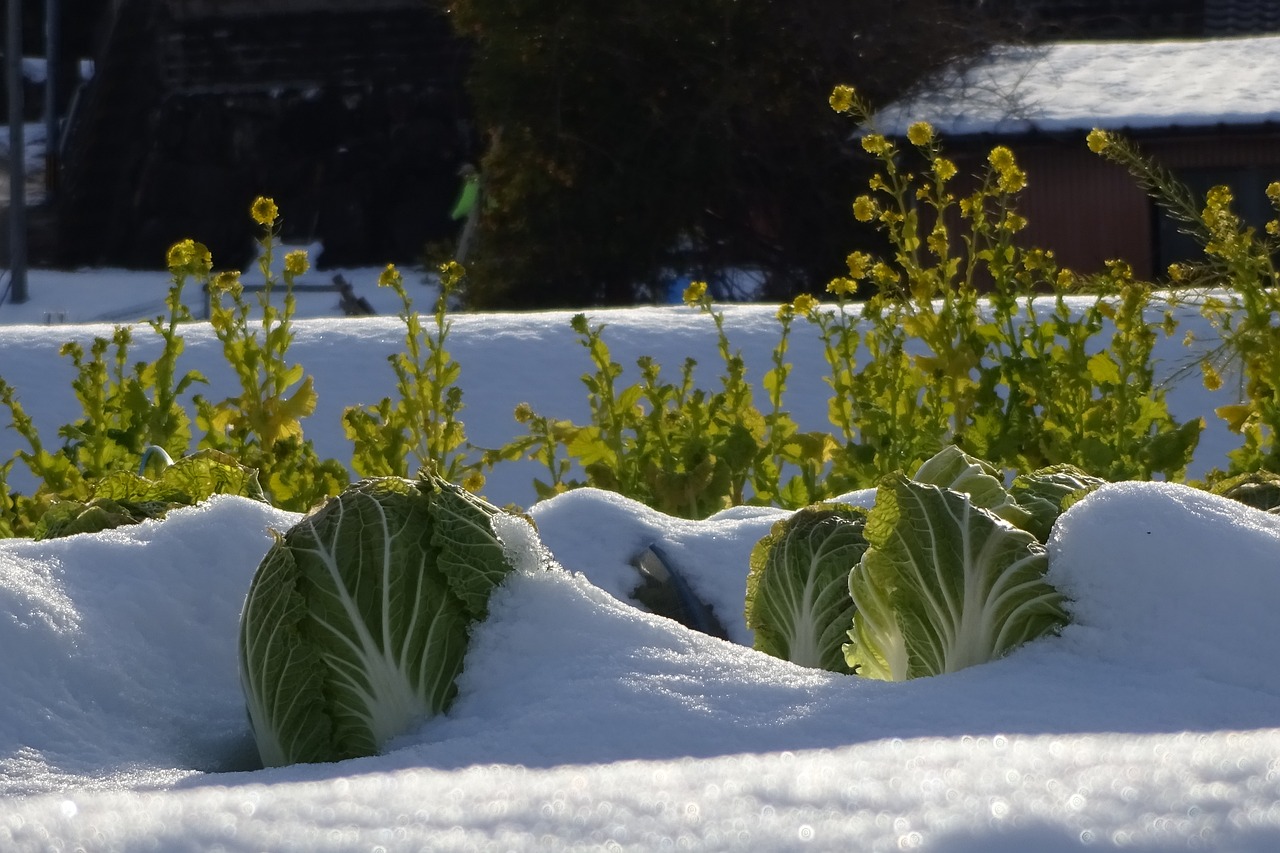
Unlike other types of cabbage, Chinese cabbage is easy to digest due to the mustard acids it contains.
It also lacks the typical cabbage flavour, tasting relatively mild instead. Its properties make it ideally suited for diets and as a light, easily digestible food. In the kitchen, Chinese cabbage is highly versatile: it can be eaten raw as a salad, baked with cheese, or served as a soup or stew.
Naturally, it is also excellent for Asian wok dishes. Those with a little patience can even prepare the Korean national dish kimchi: Chinese cabbage and other vegetables are fermented through lactic acid fermentation.
High Domestic Share of Chinese Cabbage
In China, farmers cultivated Chinese cabbage as early as the 5th century in the then-imperial realm. It is an important component of the local cuisine. The cabbage later spread to other Asian countries, finding its place in Europe at the beginning of the 20th century.
Chinese cabbage has become a widely grown vegetable in Swiss horticulture. In 2023, 3,785 tonnes were sourced from Switzerland, with only 822 tonnes imported. Per capita consumption stood at 520 grams. Vegetable growers cultivated Chinese cabbage across 141 hectares throughout Switzerland, 35 of which were under organic farming.
Rich in Vitamins
Chinese cabbage can serve as an important source of vitamins in winter, being rich in provitamin A as well as vitamin C, thus providing much-needed energy. The cabbage also contains calcium, sodium, iron, and folic acid.
| You can help all animals and our planet through compassion. Choose empathy on your plate and in your glass. Go vegan. |