Microplastics Discovered in Dairy Products and Meat
Around 80% of milk and meat from cows and pigs contains plastic.

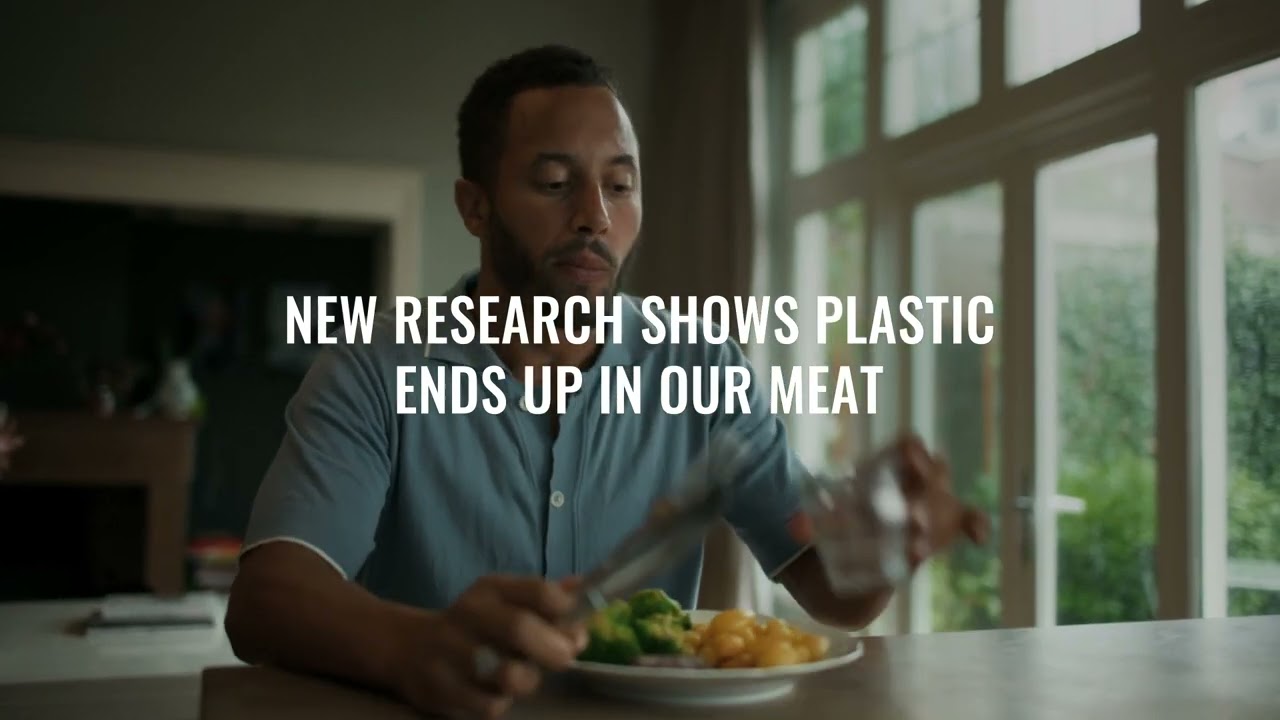
According to a new stu d dy microplastics have now been found in meat and dairy products that we eat every day.
A report by the non-profit environmental organisation Plastic Soup Foundation shows that almost 80% of the products tested contained microplastics – the material left behind when plastics break down.
The study suggests that plastics in animal feed are a possible cause of the contamination.
Scientists at Vrije Universiteit Amsterdam found plastic particles in 18 of 25 milk samples tested in the Netherlands.
Around seven out of eight beef samples contained plastic particles, while five out of eight pork samples contained particles of at least one type of plastic.
Livestock feed was also examined. All 12 samples of feed pellets and shredded feed contained microplastics.
These findings add to the tiny particles already discovered in human blood, in the lungs, and even in unborn foetuses – yet the new study gives cause for even greater concern about contamination in the food chain.
Animal feed is the primary source of contamination
The Amsterdam research team believes that microplastics in feed pellets are one of the possible exposure pathways through which plastic particles enter the bodies of animals. Additional routes include the water they drink and the air they breathe.
And this is just one more reason for growing concern about all the things with which farm animals are being contaminated. In 2021, an American farm worker named Emmanuel Moore was dismissed after posting a TikTok video showing how plastic waste could contaminate pig feed.
«Animals are capable of absorbing at least some of the plastic particles to which they are exposed in their environment«, says ecotoxicologist Dr Heather Leslie, co-author of the study.
This study should serve as an impetus to further investigate the full extent of exposure and the associated risks.
The production of plastic-free animal feed may be one of the ways to improve the scenario of plastic particle exposure for livestock.