Leisure accidents involving animals are on the rise
Around 40'600 leisure accidents involving animals occur in Switzerland each year. Insects, ticks, and dogs are the most common causes.


Around 40’60 0 leisure accidents involving animals occur in Switzerland each year, and the trend is rising.
Since 2014, they have been increasing significantly more than leisure accidents in general. This is shown by an analysis conducted by Suva. In more than half of these accidents, insects or ticks are the cause. The second most common are accidents involving dogs or horses, followed by accidents with cats. In total, they generate costs of around 105 million francs.
As fond as we may be of our animal companions and fellow travellers — insects perhaps excepted — animals pose a considerable accident risk to humans. Tripped over a dachshund, thrown from a horse, or bitten by a cat? Such accidents can happen in the blink of an eye. The consequences not only cause suffering for those affected, but also costs.
Cheap insect accidents and costly horse accidents
The approximately 22’000 accidents caused by insect or tick bites are the least costly: an insect-related accident costs an average of around 800 francs. The situation is quite different when it comes to accidents involving horses. Here, an accident costs an average of around 5,500 francs. According to UVG statistics, around 6,000 accidents involving horses occur each year. This results in ongoing annual costs of 37 million francs. In around 60% of accidents involving horses, the insured person falls from the horse.
Falling from a horse is the most common cause. Due to the size of the animal, the fall itself and the injuries sustained are more severe. Almost half of these accidents result in longer-term absences from work and therefore daily allowance payments.
Sandra Degen, statistics expert at Suva
Barking dogs may bite after all?
Just as many accidents occur involving dogs as with horses. Accidents caused by a dog bite are somewhat more frequent, but considerably less costly than those without a bite. On average, an accident caused by a dog bite costs 1,200 francs. An accident without a dog bite, on the other hand, costs an average of 5,300 francs. In these cases, injuries include dislocations, sprains, and strains, but also fractures (23%). The annual costs caused by dog-related accidents amount to around 24 million francs. A third of accidents involving dogs occur whilewalking the dog. According to the information in the accident reports, this frequently involves bite injuries or the dog pulling unexpectedly on the leash. “This causes the insured person to fall or sustain an injury from the sudden jerking movement”, Degen confirms, in line with the statistically recorded accident sequences.
Dangerous Play with the Cat
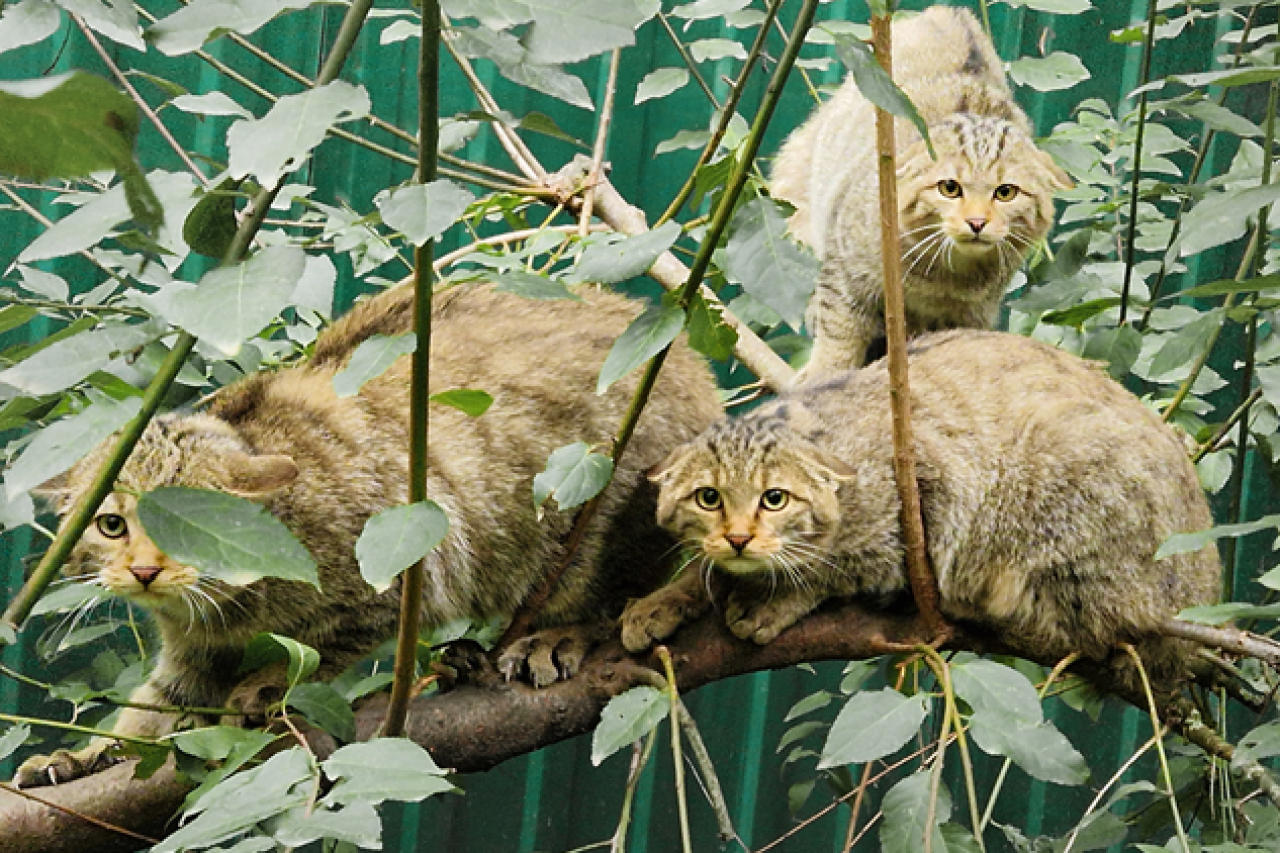
Accidents involving cats come in fourth place, accounting for around 11% of all leisure-time accidents with animals. Cats seem to be particularly prone to clashing with people during the warmer months of the year: around 56% of these accidents occur between May and October. They happen most often while grooming, feeding, stroking, or playing with the fluffy four-legged creatures. A cat-related accident costs an average of 1,800 francs. According to statistics, women are more frequently involved in accidents with cats (66%). Around 7 percent of the total 4,500 accidents involving cats occur in the context of a vehicle (bicycle, scooter, or motorcycle, among others). The accident reports indicate that cats unexpectedly run in front of the vehicle, and the accident results from the evasive manoeuvre or from the collision with the animal.
The current analyses by Suva from their series “Accidents in Figures” are based on the results of all 29 UVG insurers, which provide mandatory insurance for working individuals against occupational and leisure-time accidents as well as occupational diseases.
Suva, which has been operating since 1918, employs around 4,200 staff at its headquarters in Lucerne, across its 18 agencies throughout Switzerland, and at its two rehabilitation clinics in Bellikon and Sion. As an independent public-law company with a premium volume of CHF 4.4 billion, it insures around 130’000 businesses and 2.0 million working people against the consequences of accidents and occupational diseases. Unemployed individuals are automatically insured with Suva. In addition, it has also administered military insurance on behalf of the federal government since 2005. Suva's services encompass prevention, insurance, and rehabilitation. It operates on a self-sustaining basis, without public funding, and returns profits to policyholders in the form of lower premiums. The Suva Board represents the social partners — employers and employees — as well as the federal government.
More on the subject of recreational hunting: What the research says about this is shown by Hunting fact-checked: the state of research.
The position of IG Wild beim Wild: IG Wild beim Wild rejects recreational hunting. Our model is the canton of Geneva, which has managed without recreational hunting since 1974: without hunting seasons, without hunting dogs, without driven hunts, without high seats, without the animal cruelty and crime that go hand in hand with hunting season elsewhere. What has worked there for over fifty years disproves every position paper by JagdSchweiz. An association that bases its policy on claims it refutes in its own documents is not a professional organisation, but a factory for misinformation.