Lead: Graubünden bans toxic ammunition in hunting
Lead is an effective poison. Even in small amounts it can damage nerves and kidneys, and lead to brain damage and behavioral disorders in humans and animals.


Due to the high ungulate populations and the regionally very strong wildlife impact in forests and agricultural crops, hunting pressure on red deer and roe deer is being significantly increased in certain regions, and in some areas also on chamois.
However, lead-based ammunition is to be dispensed with.
Thanks to the high hunting bag in 2019 and those of previous years, the red deer population was stabilised and slightly reduced despite the lower number of found dead animals last winter. A total of 11’670 red deer were counted (2019: 13’298). Reasons for the lower figures were certainly the difficult counting conditions due to the early onset of snowmelt, reduced immigration owing to the mild winter, and regionally lower populations. Based on the available data, a slightly lower population of around 16’300 red deer can be assumed this spring (2019: 16’500).Unlike the red deer population, the roe deer population cannot be counted, which is why the buck harvest in September serves as an indicator for population size and hunting planning for this species.The population situation for chamois and ibex appears to be stable, writes the Office for Hunting and Fishing Graubünden. The use of hobby hunting as a population control measure remains highly controversial.
Focused hunting in areas with major forest-wildlife conflicts
In areas with significant forest-wildlife conflicts, particularly in the habitats of the silver fir, the goal remains to further reduce red deer and roe deer populations. For these two rapidly reproducing species, population regulation must be achieved through the culling of female animals. In all regions with major forest-wildlife conflicts, the proportion of female red deer required to be taken under the cull plan has been increased. Overall, the cull plan for red deer stands at 5’560 animals, the same as the previous year. In addition to existing measures, new intensive hunting zones for red deer have been established in the sub-regions of Domleschg and Surses. For roe deer, the Department of Infrastructure, Energy and Mobility (DIEM) may now regionally increase cull plans for hobby hunters in November and December when the situation regarding wildlife damage in forests requires it. Despite the sensitive population trend, chamois must also be more strictly regulated in certain forest areas. In addition to the already existing intensive hunting zones, hobby hunting for chamois is being intensified in the protection forests of the municipalities of Bergün Filisur and Surses, as well as in almost the entire hunting district XI Herrschaft-Prättigau.
The opening or partial opening of various wildlife protection areas will be continued in an optimised form based on the findings of recent years. These measures are intended to continue helping to maximise the high season hunting yield. This year, hobby hunters will also have the opportunity to hunt young male deer (spikers) regardless of antler length during the last four days of the hunting season.
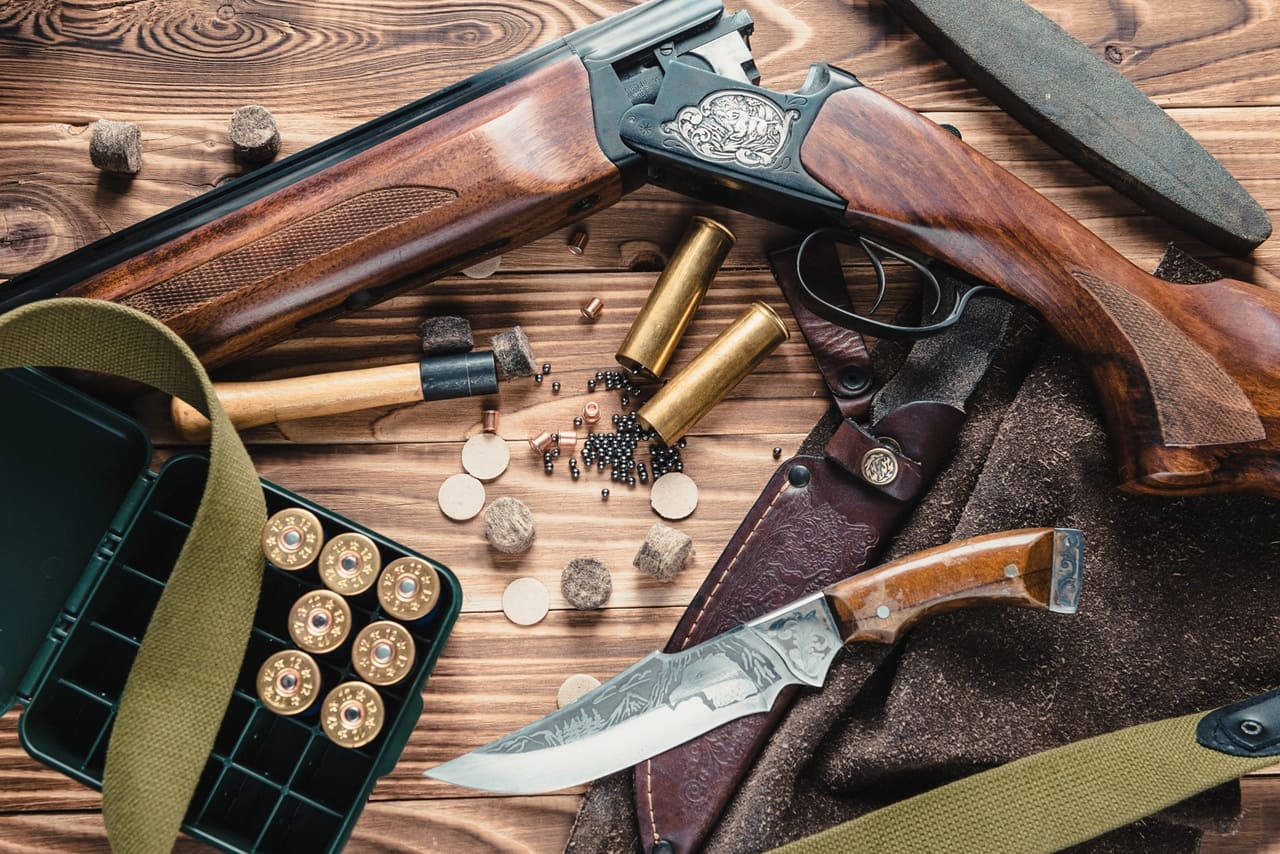
Ban on the use of lead-core ammunition
Lead residues in the environment can cause poisoning, particularly in birds of prey and wildlife Once lead enters the environment, it inevitably makes its way into the food chain. For this reason, a comprehensive review of the performance of Graubünden ammunition in calibre 10.3 mm was carried out last year to examine the feasibility of switching to lead-free ammunition. The evaluation revealed that a large proportion of Graubünden’s hobby hunters already hunt with lead-free ammunition. It was also found that, with regard to safety and from the perspective of animal welfare no significant differences in the effect between the projectile materials. This fulfills the conditions for a ban on lead-containing bullet ammunition. The ban will be implemented immediately, with a transition period of one year until September 1, 2021.