Hands off wildlife on holiday
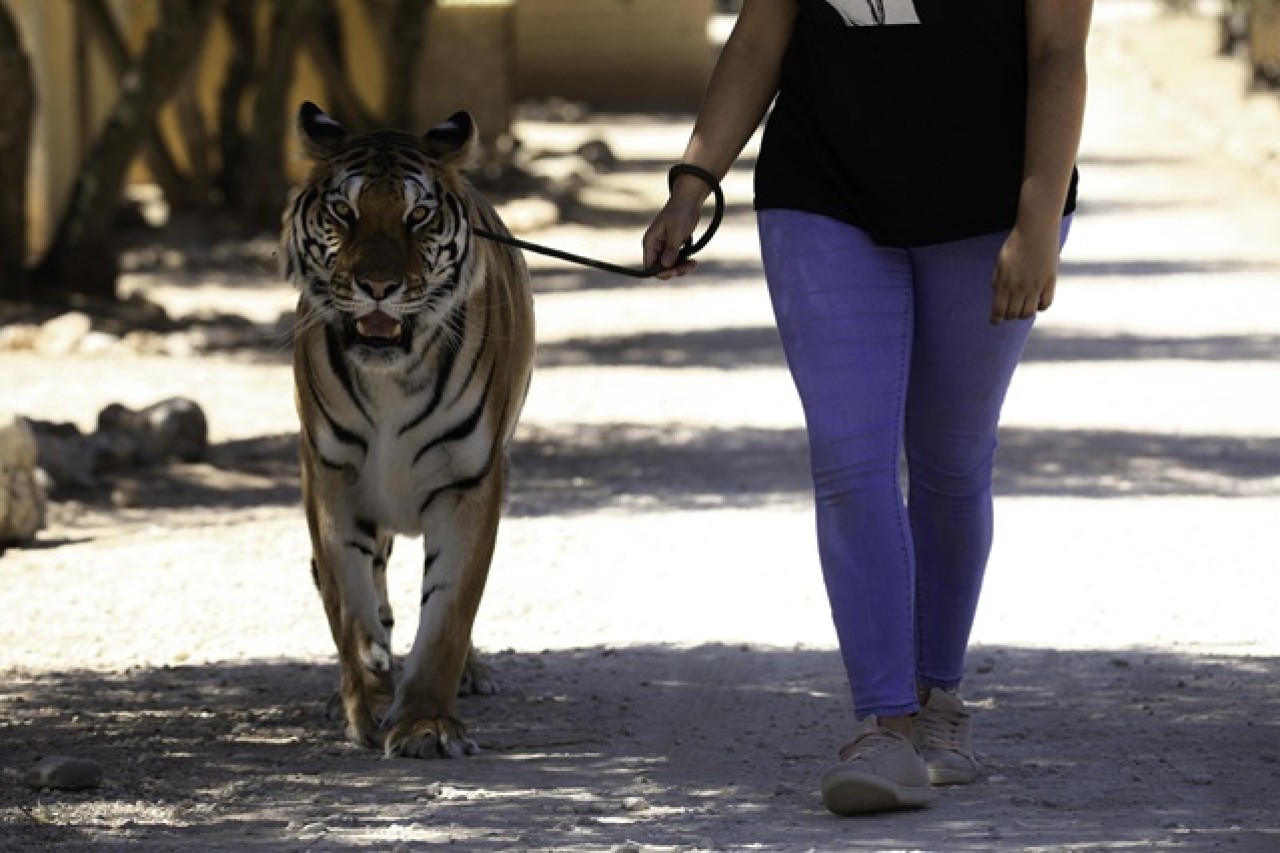
A tiger selfie, elephant riding and bathing, or swimming with dolphins: VIER PFOTEN warns against these and other seemingly attractive holiday activities that are in reality animal cruelty.

In the Romanian Carpathians a bear that had her cubs with her killed an Italian motorcycle tourist (48) at the beginning of July 2025.
Shortly before she attacked him, he was feeding her and filming her, posting the videos on Facebook.
Or in order to perform unnatural tricks or interact with visitors, wild animals are kept under cruel conditions and even subjected to psychological and physical violence.
With its Animal Welfare & Tourism Campaign, the global animal welfare organisation raises awareness of the principles of animal-friendly travel and offers tips to ensure that animal welfare is not neglected during the holidays.
Animal attractions should always be viewed critically. What may be a fun holiday memory for tourists often means a life of suffering for animals. We urgently call on travellers to avoid all activities in which wild animals can be fed or petted – the same applies to selfie and riding offers. At best, animals should only be observed from a distance in their natural habitat or in genuine rescue centres, explains Sarah Bartels, campaigner at VIER PFOTEN Switzerland.
Animals exploited for tourist attractions often suffer a tragic fate. “These encounters are completely unnatural. Even if you cannot see their pain, these animals are under enormous stress. To make them submissive, the will of elephants is brutally broken. Lion cubs are torn from their mothers. Once they are too large for selfies, they become living targets for canned hunting. Horses and donkeys that must carry tourists often suffer for hours in unbearable heat, without shade, breaks, or sufficient water,” says Bartels.
Using the following tips from VIER PFOTEN, travellers can protect animals while on holiday and experience them in an animal-friendly way:
1. Observe animals in the wild: Wild animals are best observed in their natural habitat from a safe and respectful distance. Boycott tour operators that also offer cruel trophy hunts.
2. Look only, don't touch: Even if well-intentioned – holding or stroking wild animals is never animal-friendly; quite the contrary.
3. No feeding: When you feed wild animals, they lose their natural wariness of humans as well as their ability to find food independently. It also teaches animals to approach humans. This can lead to conflicts and become a danger to the local population.
4. No selfies with animals: Do not support providers who profit from animal photos. A perfect photo for you means lifelong suffering for the animals. Tigers or lions are often sedated with medication to pose with tourists, and spend their lives in cruel captivity.
5. Only support genuine rescue centres: Research online before your visit. In genuine rescue centres, animal welfare comes first. Direct interactions between animals and visitors are therefore taboo. As soon as a facility offers selfie, petting and feeding opportunities or animal shows, or is involved in breeding and wildlife trade, all alarm bells should ring.
6. Refrain from riding: Avoid activities such as elephant, camel, donkey and horse riding. The animals often have to endure harsh training and suffer under miserable living conditions with little food, water and rest.
7. Avoid animal shows: Performances featuring wild animals, e.g. in circuses or marine parks, are animal cruelty. The living conditions are wholly inadequate, causing the animals to suffer terribly.
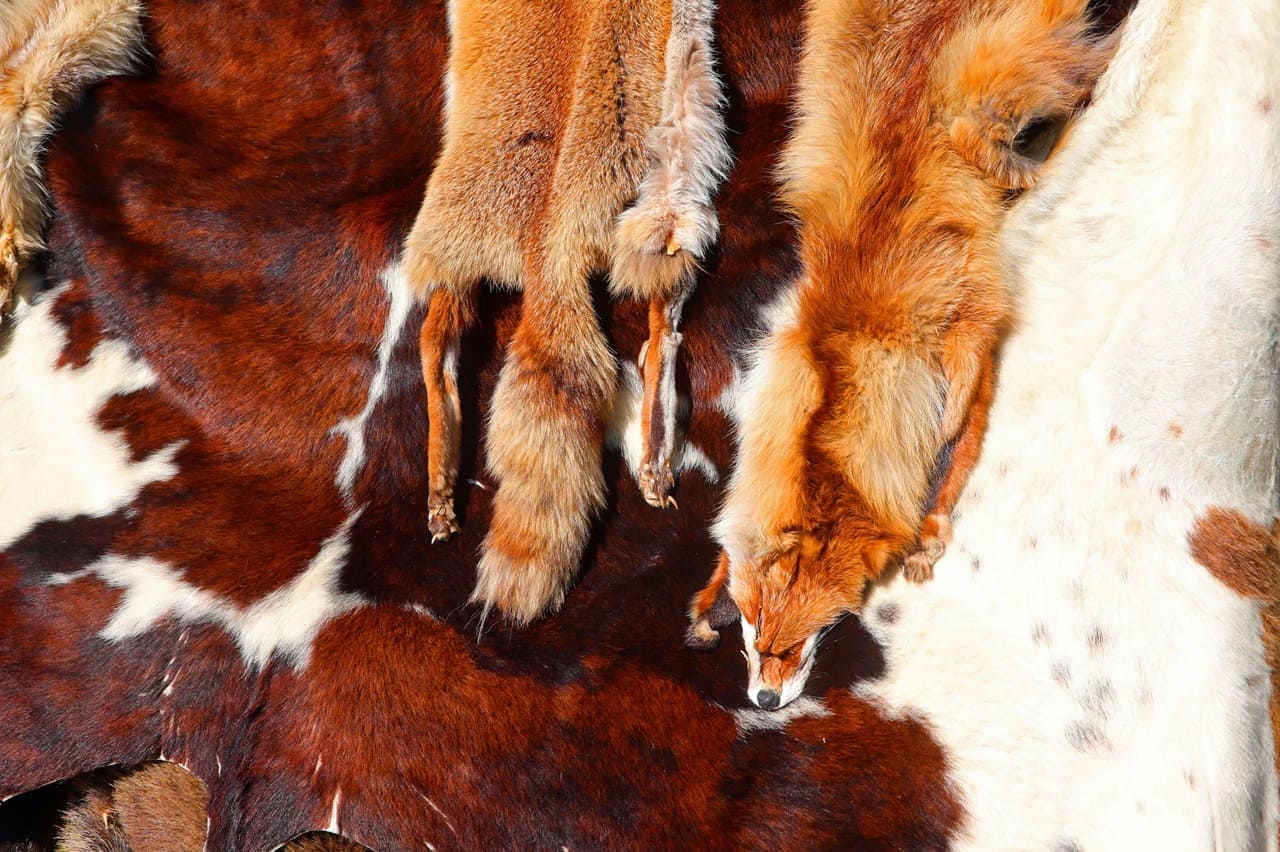
8. Hands off dubious souvenirs: Do not buy fashion jewellery or other souvenirs containing animal products (such as exotic animal leather, tortoiseshell, ivory, coral, fur, etc.). Purchasing such products promotes the poaching of animals in the wild and the extinction of endangered species. If the animal is a protected species, severe fines or even imprisonment may result.
9. Culinary no-gos: Avoid restaurants and street stalls that offer dog, cat, bushmeat, or meat from endangered species, such as shark fins. To end up on your plate, these animals first suffer immensely. The consumption of endangered species also promotes poaching and torpedoes any efforts to protect wildlife.
10. Keep your distance: Stray animals and wildlife may fear humans and attack to defend themselves if approached too closely. Therefore, for your own safety, keep your distance to avoid the risk of rabies and the transmission of other diseases.
More on the subject of recreational hunting: In the dossier The Role and Criticism of Recreational Hunters we shed light on the training, power and self-image of recreational hunters. What the research says about this is shown by Hunting fact-checked: the state of research.
The position of IG Wild beim Wild: IG Wild beim Wild rejects recreational hunting. Our model is the canton of Geneva, which has managed without recreational hunting since 1974: without hunting seasons, without hunting dogs, without driven hunts, without high seats, without the animal cruelty and crime that go hand in hand with hunting season elsewhere. What has worked there for over fifty years disproves every position paper by JagdSchweiz. An association that bases its policy on claims it refutes in its own documents is not a professional organisation, but a factory for misinformation.