World Raccoon Day: Persecuted Instead of Protected
June 7th is World Raccoon Day. In the EU, the raccoon is mercilessly persecuted as an invasive species, yet current studies are calling this classification into question.

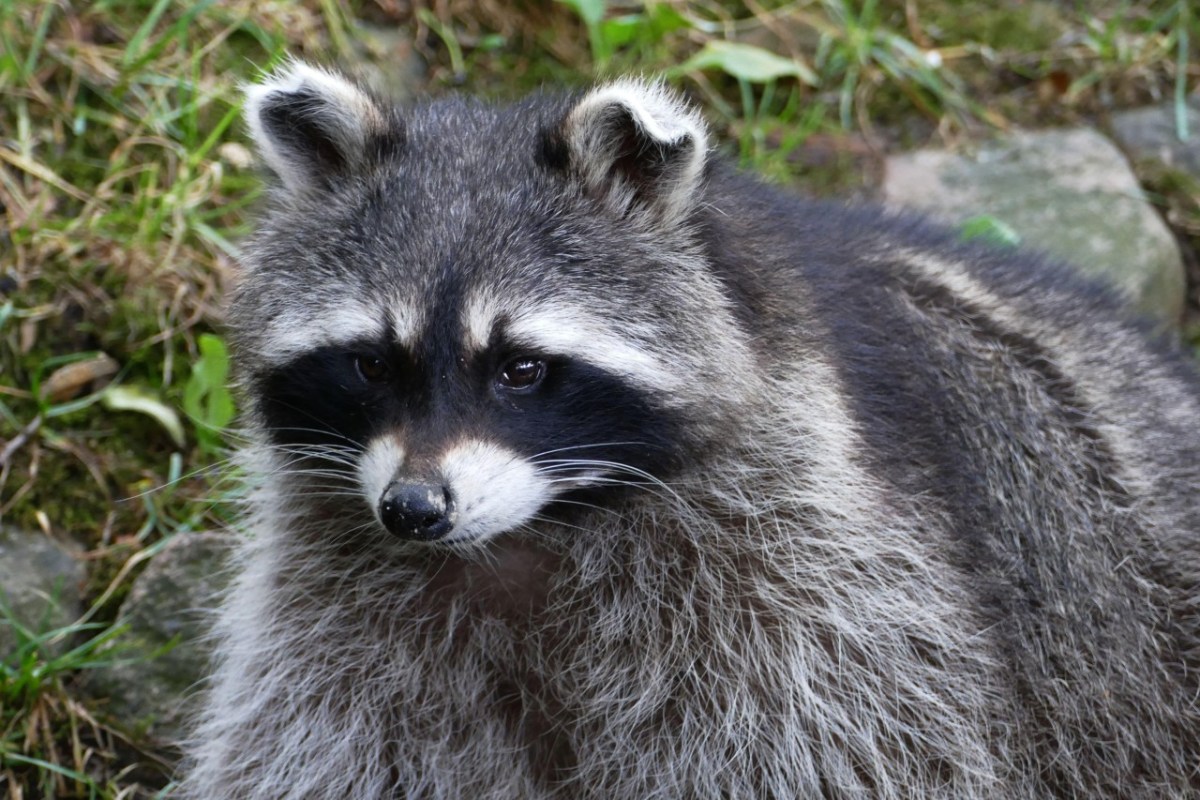
“Scapegoat machine”
Yet in the European Union, and in Germany in particular, it is mercilessly persecuted.
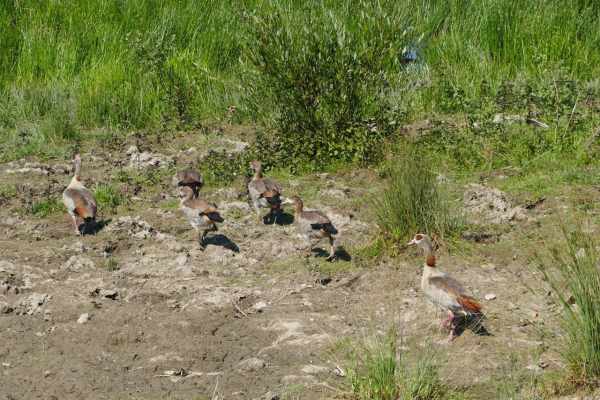
The reason: the species is listed on the Union list of so-called invasive species. This list is currently being updated to reflect the latest state of scientific knowledge. PETA has therefore written to the responsible EU Environment Commissioner Virginijus Sinkevičius, drawing attention to current scientific publications indicating that the raccoon poses no threat to local biodiversity, and has requested that this species be removed from the list. For other species as well, such as the Egyptian goose and the coypu, all scientific sources and independent experts should be consulted during the review of the Union list — which, in the animal rights organisation’s assessment, would likewise result in their removal from the list.
Instead of making the raccoon a scapegoat for a misguided agricultural and species conservation policy that has driven many animal species to the brink of extinction, the Union must urgently improve the living conditions of threatened species — among other measures through more protected areas and the promotion of vegan organic farming. The senseless killing and stigmatisation as ‘invasive’ is something an enlightened society should leave behind.
Peter Höffken, policy advisor at PETA.
Intensive agriculture and forestry are responsible for the decline in biodiversity
For the loss of biological diversity in Europe intensive agriculture and forestry are largely responsible. The listing of the raccoon on the Union List of Invasive Species has resulted in the systematic persecution and killing of the species — often using extremely cruel methods. In some German federal states, closed seasons have been shortened, which can result in the killing of parent animals and the agonizing death of their offspring. In the hunting year 2020/2021 alone, approximately 200,000 raccoons were killed in Germany. Many political decision-makers, regulatory authorities, and media outlets operating at the regional level operate under the false assumption that the raccoon's inclusion on the Union List constitutes a mandate to hunt. For many recreational hunters, the listing is also a welcome pretext to kill even more animals.
Hunting does not reduce the population
Reducing the population does not achieve this. Scientists have demonstrated that animals respond to hunting with increased reproduction. In hunted populations, the proportion of reproducing females is higher than in non-hunted ones: the more raccoons are killed, the more young are born. Losses are thus quickly offset or even overcompensated within the hunted population. Wildlife biologist and raccoon expert Dr. Ulf Hohmann also calls for a rethink:
I do not know a single scientist or hunting expert who genuinely believes that hunting can keep these animals in check. We simply have to accept that the raccoon feels at home here and that we cannot regulate it. In that sense, we must find a way to coexist with it.
Dr. Ulf Hohmann
Removing raccoons from the Union List is also scientifically justifiable from a species protection perspective: long-term research findings from leading raccoon experts across various habitats indicate that the raccoon does not pose a significant threat to nature and biodiversity. The animals typically feed primarily on easy prey such as earthworms, insects, or fruit. Humans bear primary responsibility for population declines in affected species, such as the European pond turtle. Due to habitat loss caused by straightened rivers and the life-threatening dangers of road traffic, these reptiles are now on the brink of extinction.
- Keeping raccoons away in an animal-friendly manner
- Raccoons also have a right to life
- The treatment of “invasive” species – a critical analysis from a biological and legal perspective
- Neozoa
- Basel wants to kill raccoons
- Raccoons are not a danger
- Open letter to Katrin Schneeberger of the BAFU
- Removal of the raccoon from the lists of so-called invasive species
- Facts instead of hunters’ tales about raccoons
- The Office for Hunting and Nonsense in the canton of Aargau wants to shoot raccoons
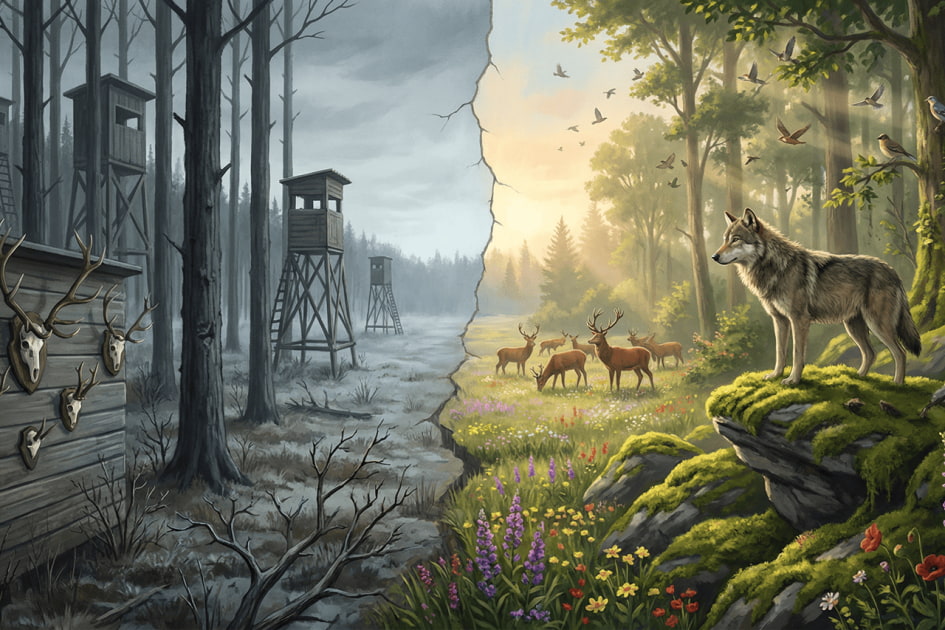
More on the subject of recreational hunting: In the dossier The Role and Criticism of Recreational Hunters we shed light on the training, power and self-image of recreational hunters. What the research says about this is shown by Hunting fact-checked: the state of research.
The position of IG Wild beim Wild: IG Wild beim Wild rejects recreational hunting. Our model is the canton of Geneva, which has managed without recreational hunting since 1974: without hunting seasons, without hunting dogs, without driven hunts, without high seats, without the animal cruelty and crime that go hand in hand with hunting season elsewhere. What has worked there for over fifty years disproves every position paper by JagdSchweiz. An association that bases its policy on claims it refutes in its own documents is not a professional organisation, but a factory for misinformation.