Innovative Approaches to the Conversion of Nuclear Waste
A study by the TU Munich shows: The conversion of radioactive waste into less harmful substances is technically feasible and economically viable.

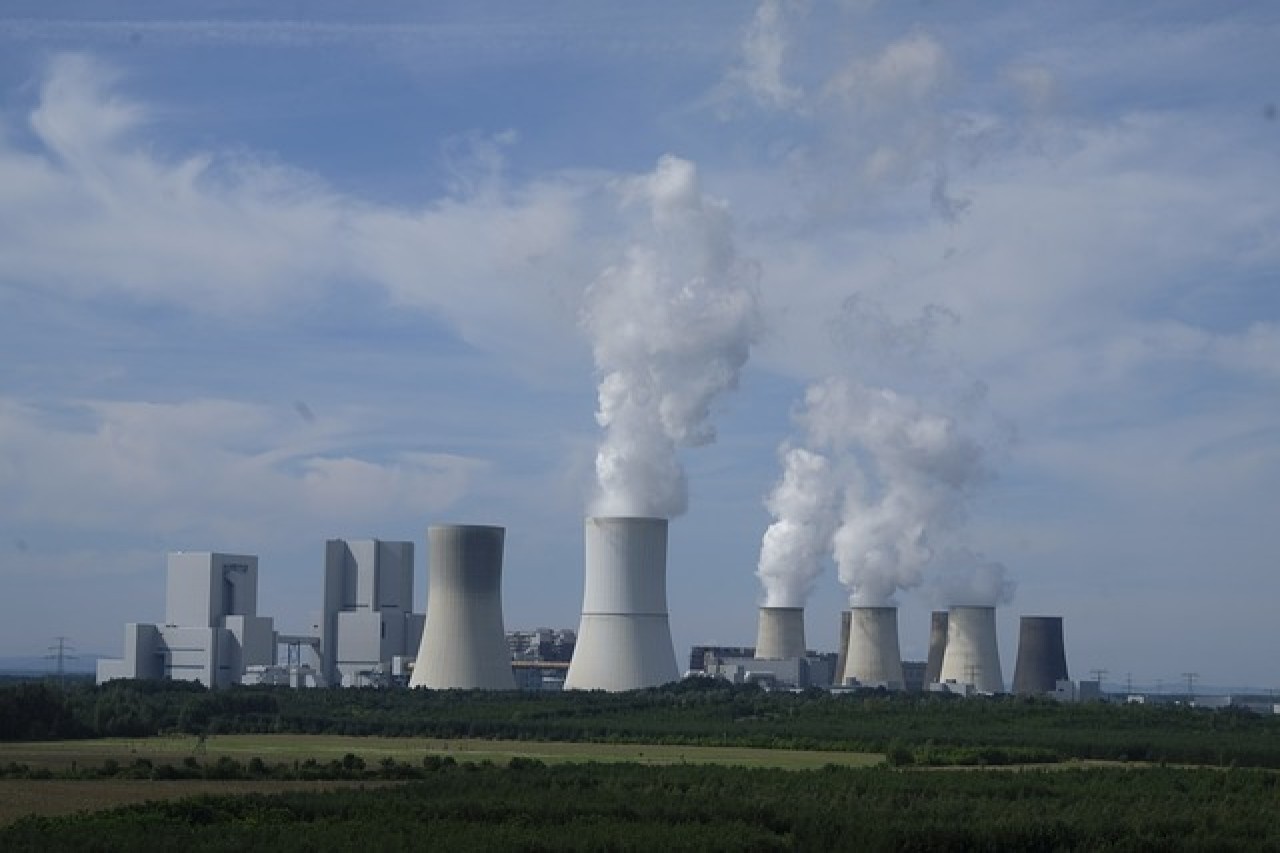
The disposal of nuclear waste remains an as yet unsolved problem. A study now indicates that the conversion of radioactive waste from nuclear power plants into less harmful substances is technically feasible and cost-effective.
According to a study by experts from TU Munich and TÜV, radioactive waste from nuclear power plants can be converted into significantly less harmful elements. The feasibility study for the construction of a so-called transmutation facility was commissioned by the Federal Agency for Disruptive Innovation SPRIND. A scenario was examined in which the conversion facility would be built at one of the decommissioned nuclear power plants that now serve as interim storage sites for nuclear waste in Germany.
Radioactivity and Duration of Radiation Reduced
Transmutation is a specialised treatment of radioactive waste. Its primary aim is to reduce the intensity of radiation emitted by the waste and to drastically shorten the duration of that radiation. To achieve these goals, the method involves bombarding the atomic nuclei of spent fuel rods with neutrons, causing the nuclei to decay and producing less hazardous elements.
In addition to the actual conversion of radioactive waste, the project also enables, according to the study, the recovery of various valuable materials from spent fuel elements. These include, among others, uranium as well as the valuable precious metals rhodium and ruthenium, which are required in various industrial sectors. Such innovative approaches are also relevant to environmental and nature conservation concerns.
In addition, the noble gases xenon and krypton are produced during the conversion process. Furthermore, the elements caesium and strontium can be extracted, which are used, among other things, as so-called radioisotopes in medicine or research. The process also generates a great deal of heat, which could be fed into district heating networks.
16 interim storage facilities as potential sites
In its application scenario, the study assumes that a facility developed by the Swiss start-up Transmutex from Geneva would be used. One of the 16 interim storage facilities for nuclear waste would be considered as a possible site, not least because this would eliminate the need to transport nuclear waste across Germany. Germany has two central interim storage facilities in Gorleben and Ahaus, as well as 14 decentralised interim storage facilities, including twelve sites located at or near former nuclear power plants, and specialised facilities such as Jülich and Lubmin, which hold a special status.
The Federal Agency for Disruptive Innovation in Leipzig stated that, according to the study, the first demonstration facility would be highly profitable. The facility would recoup its investment costs of approximately 1.5 billion euros and annual operating costs of just over 115 million euros several times over. These costs would be offset by revenues from the extracted elements, the disposal of nuclear waste, and process heat. If operated at a former nuclear power plant site, construction costs would be reduced by around 30 percent. More on Innovations in energy research.
The non-recyclable waste from the nuclear power plant under study could presumably be converted within the minimum operating period of 50 years. The radiation duration would thereby be reduced from one million years to approximately 800 years.
Further articles
- Wildlife in Switzerland is contaminated with plastic
- Environmental impacts of wind turbines: The dangers of PFAS for wildlife
- Study on the influence of wind turbines on the weather
- Offshore wind farms could pose significant risks to the ecosystem, the economy, and human health
- The effects of wind farms on soil moisture and the local climate
- Wind turbines cause exactly what they were meant to prevent
- Solar module waste: The disposal problem
- The impacts of wind turbines on wildlife and the debate over clean energy
- «Two new large nuclear power plants would be sufficient for Switzerland»
- Wind Power and Marine Fauna: No Harmonious Coexistence
- Scandalous Secret Contracts Between Wind Energy Promoter and Bernese Municipalities