India: Number of tigers rises to nearly 3’000
India's tiger population has risen to nearly 3,000 animals. The Prime Minister calls it a “historic achievement.”

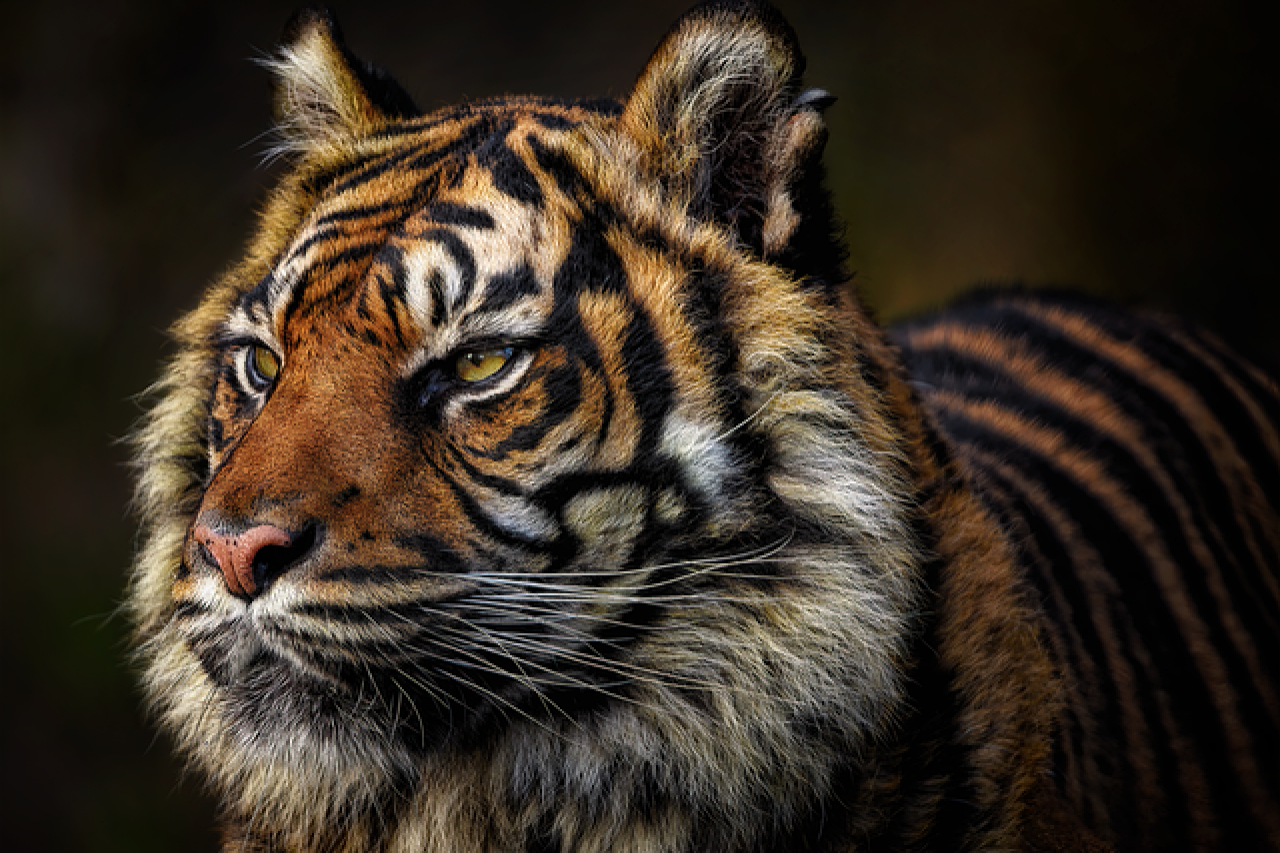
India is now home to three quarters of the world's tiger population.
«The just-announced results of the tiger census should make every Indian and every nature lover happy», said Prime Minister Narendra Modi, calling the growing number a “historic achievement.” This makes the country one of the safest and largest habitats for the endangered big cats.
The results of the census, which takes place every four years, were published by the government in New Delhi on International Tiger Day on 29 July. The number of tigers grew to 2’967 in 2018. Around 15 years earlier, India had only about 1’400 individuals. At the previous census in 2014, 2’226 animals were recorded. The government's tiger protection programme in Delhi was launched in the 1970s.
«With a critically endangered species like the tiger, every single animal counts», said Kathrin Samson, tiger expert at WWF Germany. With India, one of the most populous countries on Earth is proving that tiger conservation is also possible in economically developing nations.
«We now hope this will send a signal to other tiger-range countries where the situation for the big cat continues to be dire.» In many countries in Southeast Asia, the situation is alarming.
At most 4’000 individuals remaining
The global tiger population has shrunk dramatically in the past. One reason is the illegal hunting of the animals, whose body parts are used in traditional medicine in China and Southeast Asia. According to WWF figures, there are currently at most 4’000 wild tigers remaining in Asia.
International Tiger Day is celebrated annually on July 29th and marked with public events in many countries such as India, Nepal, Indonesia, Thailand, China, and Bhutan. Established in 2010, World Tiger Day aims to draw attention to the serious threat facing these majestic cats. «And this threat has not gone away», warns Kathrin Samson. «Despite all the progress made, we are still talking about fewer than 4’000 wild tigers worldwide!»
More on the subject of recreational hunting: In our dossiers on recreational hunting gather fact-checks, analyses and background reports. What the research says about this is shown by Hunting fact-checked: the state of research.
The position of IG Wild beim Wild: IG Wild beim Wild rejects recreational hunting. Our model is the canton of Geneva, which has managed without recreational hunting since 1974: without hunting seasons, without hunting dogs, without driven hunts, without high seats, without the animal cruelty and crime that go hand in hand with hunting season elsewhere. What has worked there for over fifty years disproves every position paper by JagdSchweiz. An association that bases its policy on claims it refutes in its own documents is not a professional organisation, but a factory for misinformation.