Cyprus: 400,000 songbirds illegally killed
More than 400'000 songbirds killed by organised crime in the hobby hunter milieu in Cyprus.

435’000 birds killed in autumn 2023
A report by BirdLife Cyprus links a rise in birds caught for human consumption to cuts in funding for combating poaching in the British military base area.
According to a new report, more than 400’000 songbirds were trapped and killed during hunting in Cyprus last autumn, attributed to an increase in wildlife crime.
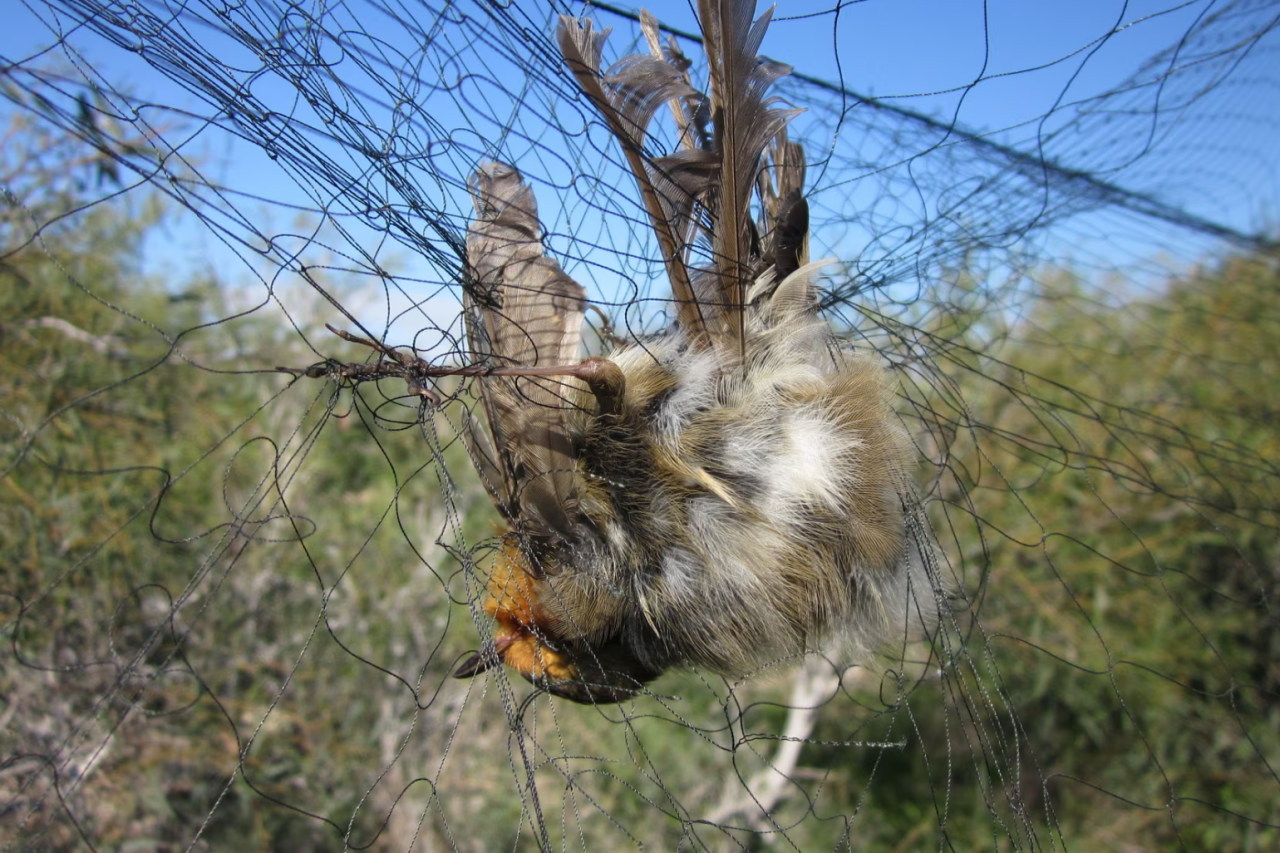
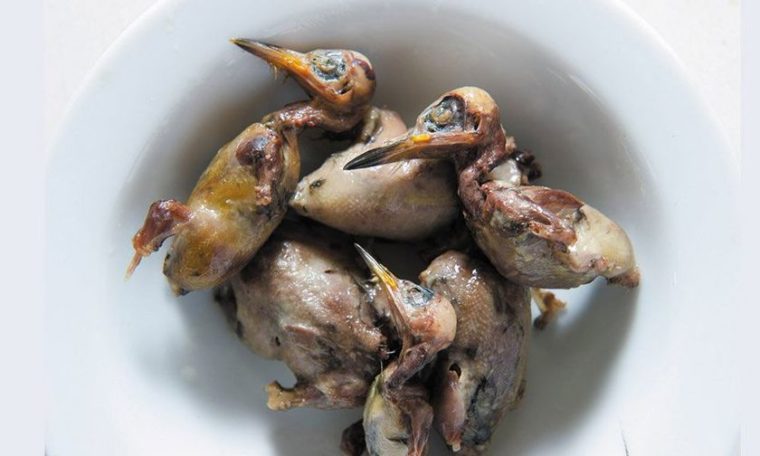
Organised criminal networks use decoy birds and loudspeakers playing birdsong to lure these small birds, including garden favourites such as robins and sparrows, into bushes or orchards, where they catch them using «mist» nets or adhesive-coated branches. They are then sold through the black market to restaurants to be eaten as a local dish called «ambelopoulia», consisting of pickled or boiled songbirds.
The report, produced by BirdLife Cyprus with support from the RSPB and the Committee Against Bird Slaughter (Cabs), found that 435’000 birds were killed in this way in autumn 2023 alone. While the number of birds caught had been trending downward over the past decade, last year saw an increase of 90’000 compared to 2022.
Cuts to anti-poaching efforts
Martin Hellicar, director of BirdLife Cyprus, said: «Despite the very good progress made in recent years, last autumn was a reminder that this can quickly be reversed if enforcement resources are not maintained.»
Cyprus is a stopover for many birds that migrate each year in autumn from their breeding grounds in Europe to their wintering grounds in Africa. Target species include blackcaps, flycatchers, chiffchaffs, willow warblers, reed warblers and Cetti's warblers, many of which are experiencing serious declines in the United Kingdom.
The trapping of songbirds for human consumption was banned in Cyprus in 1974, but continues to be practised on an industrial scale. Twenty years ago, more than 2 million birds were caught in this way each year, and in the 1990s more than 10 million were killed. Since then, Cypriot law enforcement authorities have been working with BirdLife Cyprus, CABS and the RSPB to reduce the number of birds killed.
41% more nets on military base
Authorities found that more than 4.5 km of nets were being used to trap birds. A large proportion of the increase is attributable to the British military base in Cyprus, the Sovereign Base Area (SBA), where 41% more nets were laid than in the previous year.
The resources of the SBA's anti-poaching unit were significantly reduced at the start of the trapping season in autumn 2023. The report states: "This season was a good case study of what can happen when police resources are withdrawn/redirected away from enforcing illegal traps and from deterrence measures."
Mark Thomas, head of RSPB investigations, said that organised trappers continue to make large profits at low risk. "We cannot allow the progress we have made to be undone and the shocking scale of songbird killing to return to the abhorrent levels we once witnessed," he said.
Thomas added that policing resources were necessary to keep the number of bird catches low. "For two decades, our international partnership has demonstrated that we can tackle this criminal activity together by operating directly on the ground and enforcing the measures," he said. "However, this autumn shows that even more needs to be done, particularly in the Republic of Cyprus."
According to Hellicar, BirdLife Cyprus has launched an awareness campaign aimed at bringing about a change in the hearts and minds of locals, away from eating and towards the protection and appreciation of birds.
«This is an even greater challenge to overcome, but we are determined to continue and confident that we will eventually see a positive change in behaviour in favour of bird conservation», he added.