Hunting Ban in Switzerland: A New Relationship with the Wild
It is long overdue in Switzerland: an open discourse on a nationwide hunting ban.

While society is becoming increasingly aware of animal and climate protection, a small segment of the population clings to an archaic hobby — the killing of wild animals out of tradition, leisure, and convenience.
Yet more and more voices are calling out: nature does not need recreational hunters — it needs protection from them.
A Country with a Hunting Ban: The Example of Geneva
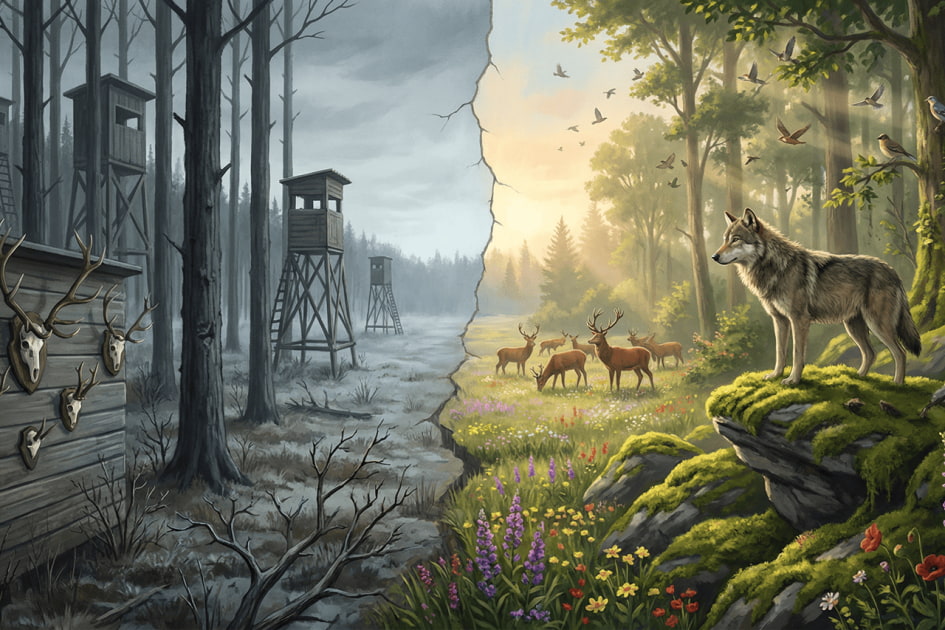
Since 1974, the Canton of Geneva has maintained a complete hunting ban. And contrary to all the dire prophecies of the hunting lobby, nature there has not collapsed — it is flourishing. Wildlife populations largely regulate themselves, conflicts with humans are rare, and where management is necessary, it is carried out on a scientific basis — not with the rifle of a recreational hunter.
Studies and observations from Geneva show that the ecological balance there has improved:
- Greater biodiversity in forest and agricultural areas
- Healthy populations of roe deer, wild boar, and fox
- Fewer wildlife accidents and reduced disturbance of wild animals
Geneva proves it: foregoing hunting works. Switzerland could follow this example — if it had the political will to do so.

The Reality of Recreational Hunting
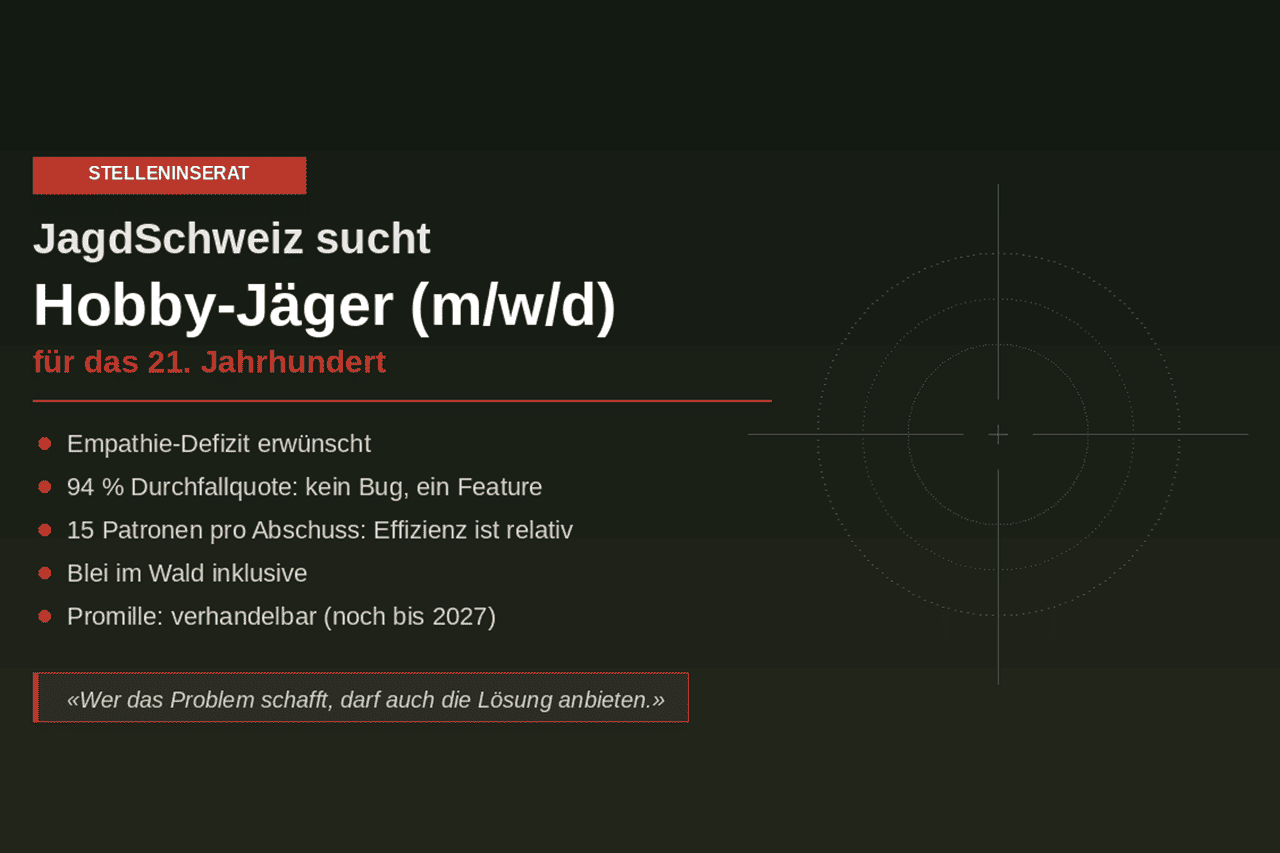
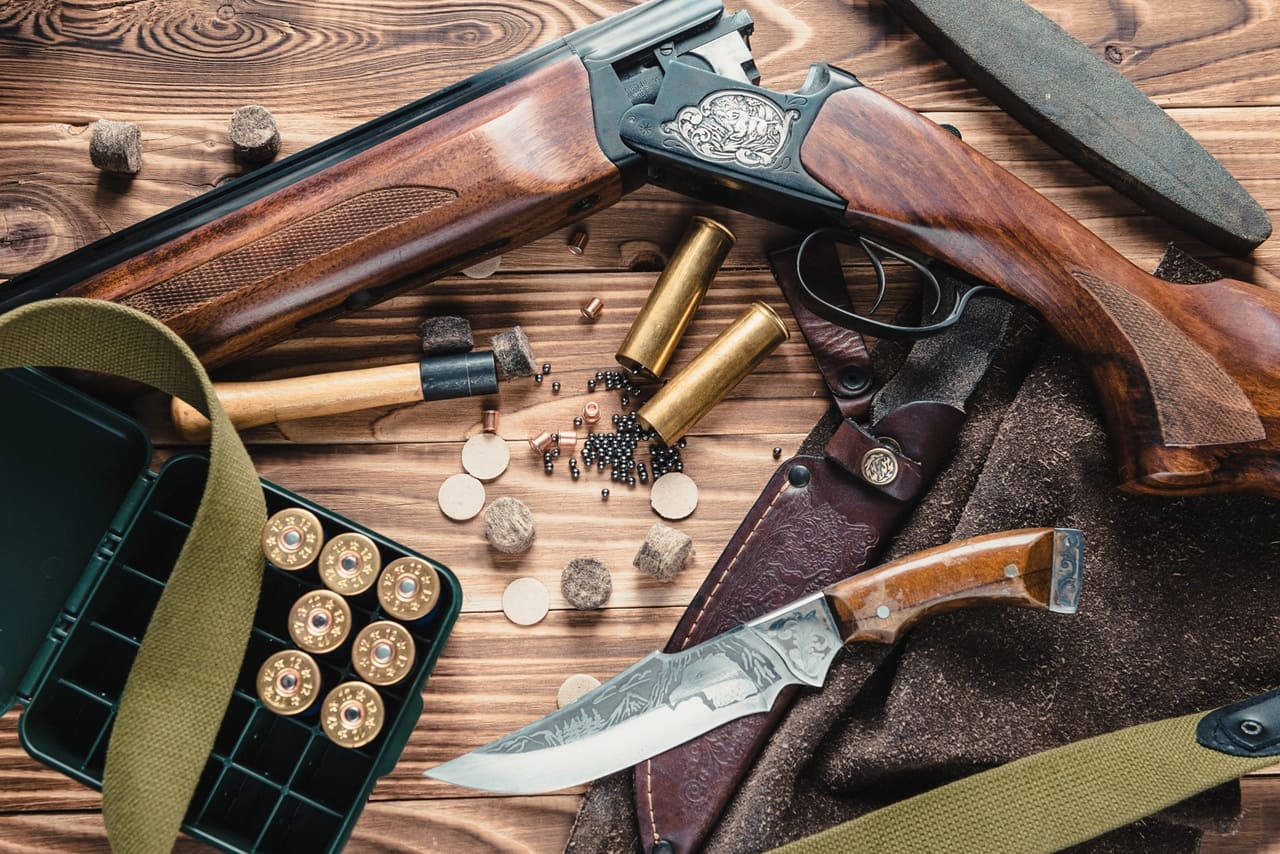
Around 30’000 recreational hunters are currently active in Switzerland. They shoot hundreds of thousands of wild animals every year — ostensibly to “regulate populations.” Yet scientific studies have been showing for years:
- Hunting often amplifies overpopulations rather than preventing them (by interfering with natural population dynamics).
- Hunting disrupts animal migration, family groups, and natural selection.
- Hunting increases the risk of wildlife damage, because animals under stress seek out new territories.
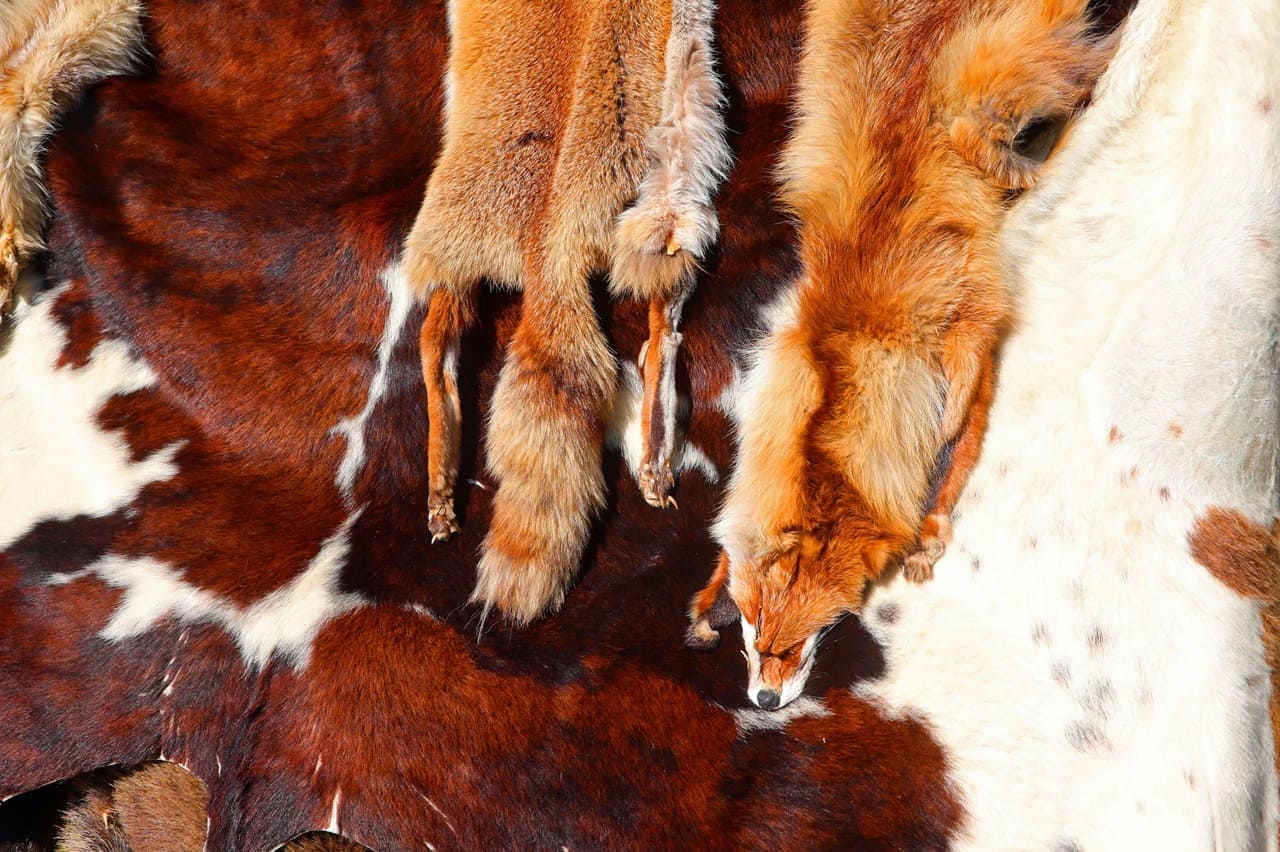
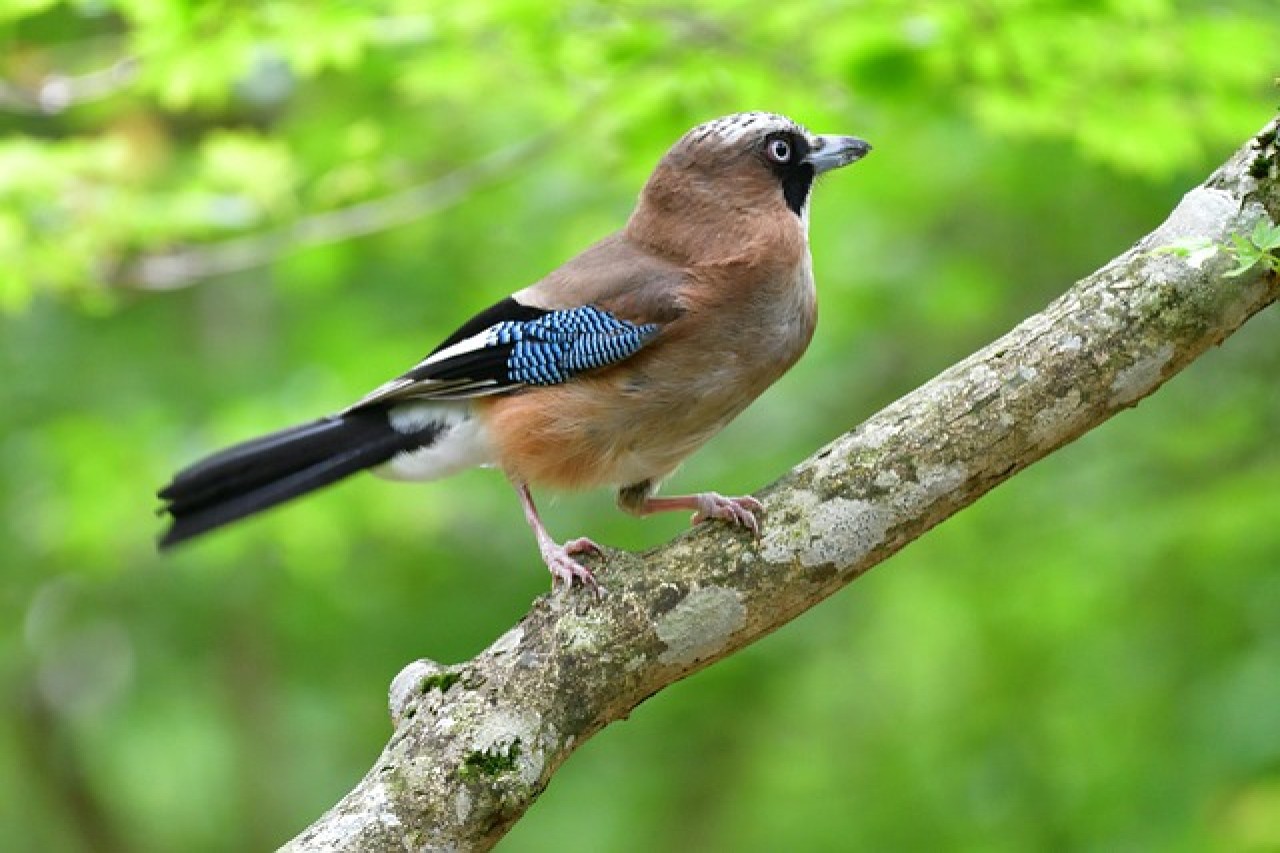
There are also ethical questions: Why should someone in the 21st century be allowed to torment, injure, and kill animals for fun or tradition, when alternatives in wildlife management have long existed? Why are foxes, martens, deer, or jays “regulated,” while nature existed for millions of years without human control?
Modern wildlife ecology argues against recreational hunting
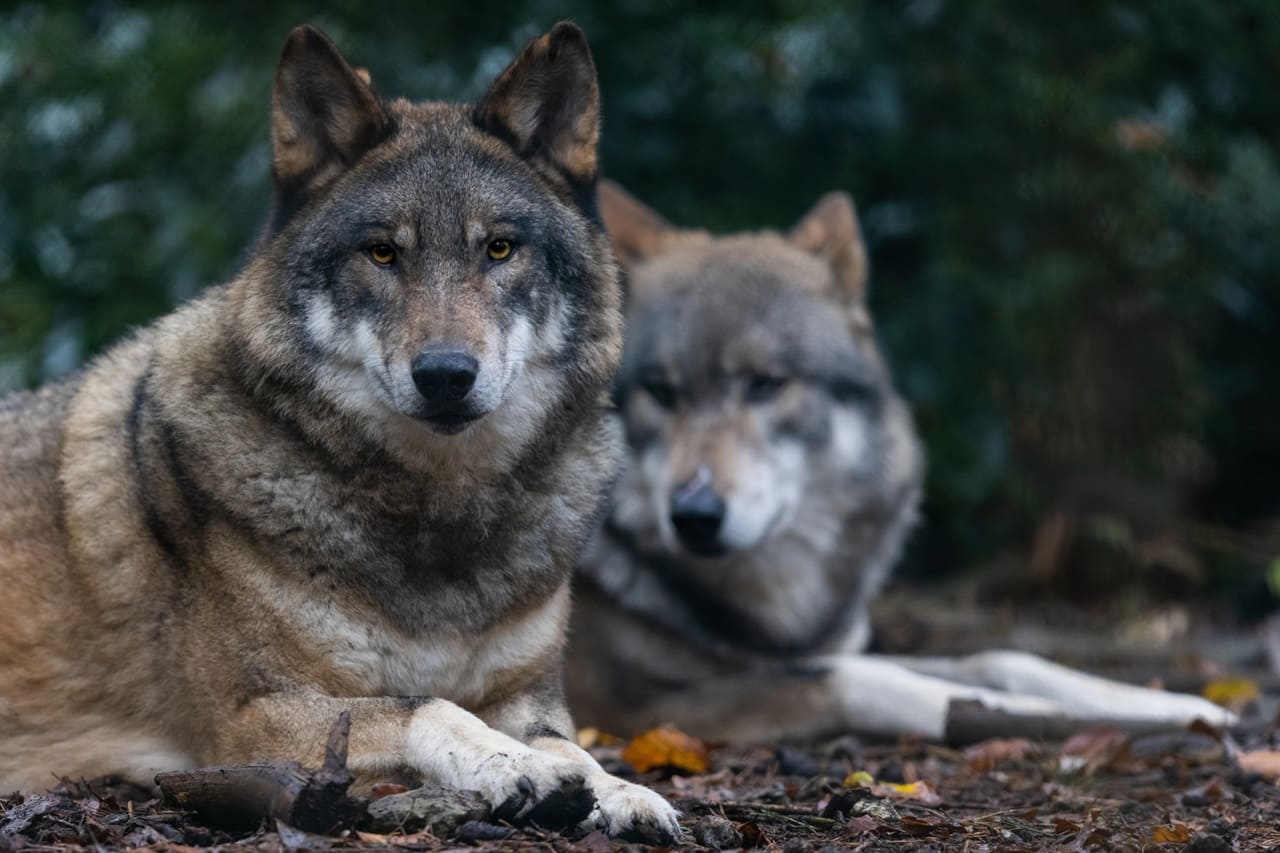
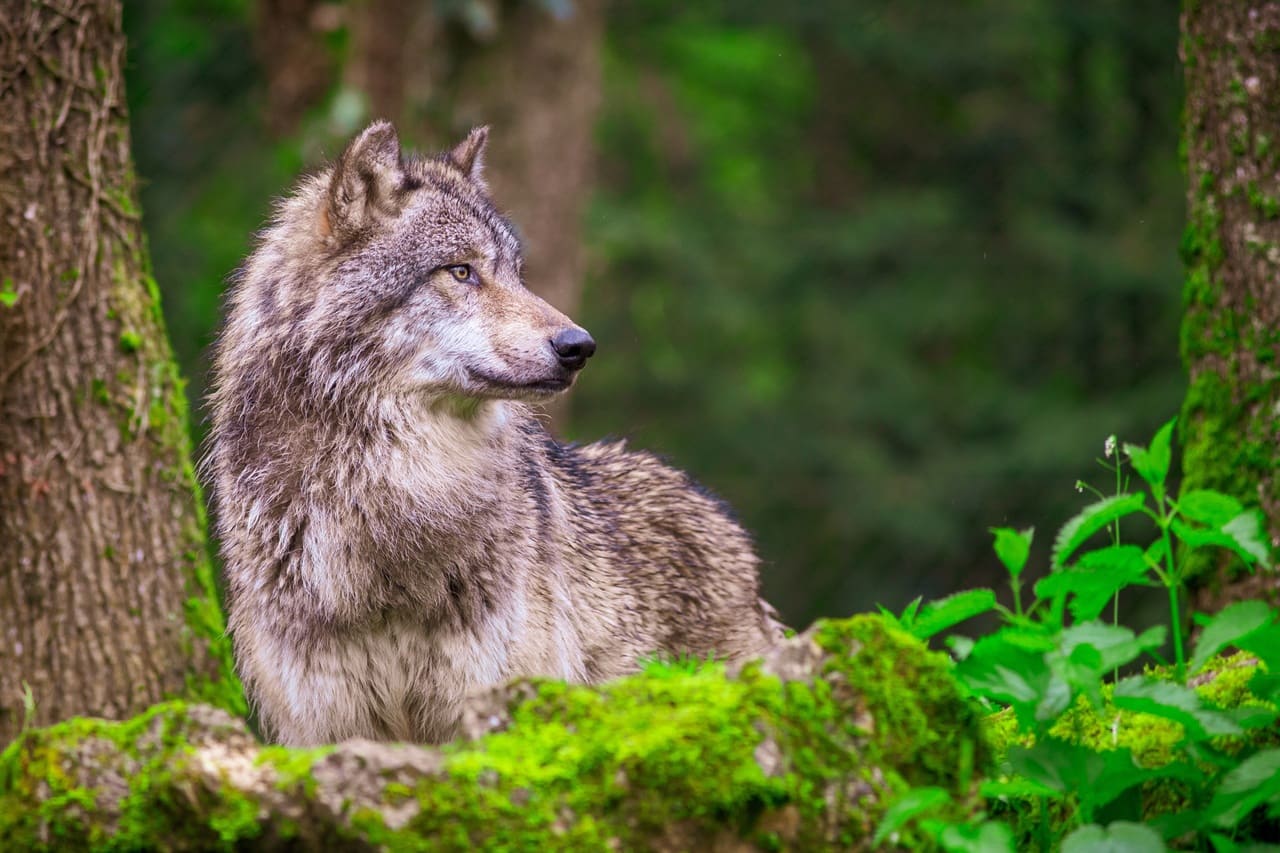
Nature regulates itself — if allowed to do so. Predators such as the wolf, the lynx, and the fox take on the role in a functioning ecosystem that humans presume to claim for themselves. Where wolves, lynxes, or foxes are present again, wildlife populations stabilize in a natural way.
Hunting, by contrast, disrupts natural cycles:
- It strips packs of their most experienced animals.
- It promotes unnatural reproduction rates through “artificial hunting pressure.”
- It destabilizes entire ecological communities.
The result: more problems, not fewer. Scientific studies and case examples such as Luxembourg or the Swiss National Park confirm that wildlife populations do not “explode” in the absence of hunting. On the contrary: in protected areas where hunting is prohibited, more stable, healthier populations are observed.
Politics and the hunting lobby: the old network
The hunting industry is politically well-connected in Switzerland. Many cantonal decision-makers and forestry offices have historically been linked to animal cruelty. This proximity results in objective scientific findings being disregarded.
When the revised Hunting Act was put to a vote in 2020, it became clear: the majority of the population wants more protection for wildlife, not less. Yet politics continues to follow old narratives: “Humans must regulate” — a claim that modern ecology has long since refuted.
A hunting ban is not an extreme position — it is reason
A nationwide hunting ban in Switzerland would not be a radical step, but a logical progression. It does not mean that humans abandon nature to its own devices and look the other way. It means that interventions would only take place in genuine exceptional cases, scientifically justified and carried out by trained professionals — not by hobbyists.
Case examples show that it works:
- In Geneva, recreational hunters have been absent from the forests for 50 years.
- In parts of Europe, seasonal or regional hunting bans are in place with positive effects.
- In Europe, several animal protection organizations are calling for an end to recreational hunting.
Switzerland could play a pioneering role here – if it frees itself from outdated myths.
A future without recreational hunting – a realistic scenario
A hunting ban would:
- Recognize wildlife as sentient beings, not resources.
- Reduce conflicts, because wildlife would react less fearfully and aggressively toward humans.
- Stabilize ecosystems, because natural predators could once again take effect.
- Promote social peace, because less animal suffering and fewer weapons would be present in forests.
Nature does not need a firearm. It needs respect, space and quiet. A hunting ban in Switzerland would be a sign of true civilization – a commitment to ethics,science and compassion.
Does Switzerland want a future-oriented, animal-friendly environmental policy, or does it want to continue protecting a small militant minority that tortures and kills animals out of tradition?
A hunting ban is not an attack on culture, but a step into the future. It is time to return the forests to those who truly live there – the wildlife.
RECREATIONAL HUNTER RADAR
On the trail of concealed animal welfare offences, poaching and/or criminal activity? Report suspected cases to us! Help with the great Recreational Hunter Radar.

More on the subject of recreational hunting: In the dossier The Role and Criticism of Recreational Hunters we shed light on the training, power and self-image of recreational hunters. The scientific evidence is presented in the overview Studies on the Effects of Recreational Hunting.
The position of IG Wild beim Wild: IG Wild beim Wild rejects recreational hunting. Our model is the canton of Geneva, which has managed without recreational hunting since 1974: without hunting seasons, without hunting dogs, without driven hunts, without high seats, without the animal cruelty and crime that go hand in hand with hunting season elsewhere. What has worked there for over fifty years disproves every position paper by JagdSchweiz. An association that bases its policy on claims it refutes in its own documents is not a professional organisation, but a factory for misinformation.