Ticino Hunting Association Wishes for Stability
The hunting season begins for nearly 2'000 Ticino recreational hunters. The hunting association laments declining membership numbers and calls for political stability.

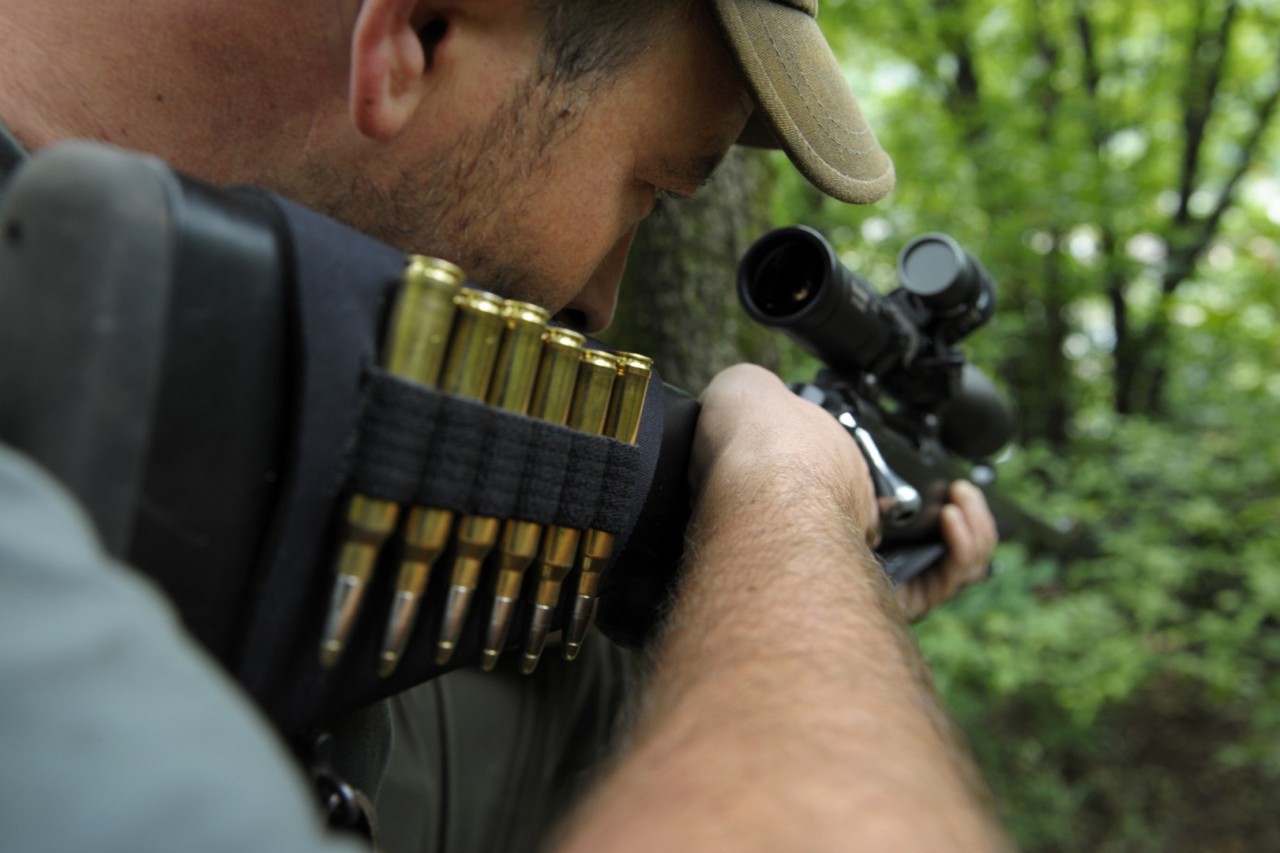
For the nearly 2’000 hunting enthusiasts in Ticino, the most eagerly awaited time of year has arrived once again.
From 2 to 16 September (and then again between 22 and 26 September), the recreational hunters once again populate the slopes, spreading fear and terror not only among wildlife. Tourists will witness revolting scenes.
While in the past one was accustomed to receiving government communiqués on changes to hunting regulations around midsummer, this year there were no major changes.
For the 2023 season, the regulations remain essentially the same as last year. And this, as Stephan Chiesa, head of communications for the Ticino Hunters’ Federation (FCTI), explains, for a very specific reason. «The federation and the canton have agreed to leave the regulations as they are, in order to provide a degree of continuity to the activity and to better monitor the practical effects and effectiveness of the individual measures provided for in the ordinance.» In other words, an attempt is being made to lend hunting a certain stability and to avoid changing the rules of the game from year to year.
Thus the canton still issues around 1’800 permits for high hunting, in addition to around 700 permits for small game hunting, more than 1’000 for wild boar hunting, and around 700 for special hunting. In total, well over 4’000 permits per year, generating cantonal revenues of more than 2 million francs.
The Greatest Challenge
After the moment of stability in which the sector finds itself, the next major challenge lies in the stereotypes that continue to permeate the activity of recreational hunters. What Chiesa says is missing is respect for the art of hunting on the part of the authorities, especially when comparing the situation in Ticino with that in Graubünden or Valais: «Even in Ticino, hunting is deeply rooted and strongly embraced by enthusiasts. But the institutions lack this sense of tradition and culture, of appreciation for a passion that not only generates income but also maintains our territory and is necessary. Think of Geneva, which abolished hunting, but then had to spend more than one million francs per year to have someone else do the work of hunters.» In short, «it almost seems as though our activity is a nuisance» and that it «should somehow be hidden.» This, in Chiesa's view, should be changed, in order to «restore pride in defending the activity of hunters, who are not excitable people in camouflage suits, but simple enthusiasts who care for the land and carry on a tradition and a culture».
Facts Instead of Hunting Folklore
Before the hunting ban in Geneva in 1974 approximately 420 hunting licences per year were sold. Wildlife today is managed by around a dozen professional wildlife wardens, who share just under 3 full-time positions among them. In total, the canton spends around one million francs per year on wildlife management, including wildlife damage and prevention. That amounts to a cup of coffee per resident. Culling carried out by wildlife wardens is not the same as the regulation of wildlife by recreational hunters based on hunting folklore or a misguided understanding of nature.
Hunting to decimate and massacre populations is, historically speaking, not hunting, culture, or tradition either, but rather terroristic zoocide. The present-day slaughter of animals by modern recreational hunters results primarily from greed, profiteering, pleasure, indifference, and contempt for the fate of animals. The true hunters of indigenous peoples would never condone such a thing. The regulation of wildlife populations does not occur through hunting. Hunting is most often the cause of problems of all kinds. Recreational hunting does not mean less wildlife, but more births.
If recreational hunters were not constantly permitted to satisfy their primitive urge to kill, there would be no problems whatsoever with the population size of deer and roe deer — because there would then be sufficient predators such as lynx, fox, wolf, etc., and consequently also less wildlife browsing damage and other harms such as wildlife accidents.
For genuine wildlife stewardship, a handful of game wardens suffices, as the example of Geneva or entire countries with a hunting ban demonstrate. Wildlife would no longer be fairground targets for people with poor ethical standards and psychological problems.
| You can help all animals and our planet with compassion. Choose empathy on your plate and in your glass. Go vegan. |
More on the subject of recreational hunting: In the dossier The Role and Criticism of Recreational Hunters we shed light on the training, power and self-image of recreational hunters. What the research says about this is shown by Hunting fact-checked: the state of research.
The position of IG Wild beim Wild: IG Wild beim Wild rejects recreational hunting. Our model is the canton of Geneva, which has managed without recreational hunting since 1974: without hunting seasons, without hunting dogs, without driven hunts, without high seats, without the animal cruelty and crime that go hand in hand with hunting season elsewhere. What has worked there for over fifty years disproves every position paper by JagdSchweiz. An association that bases its policy on claims it refutes in its own documents is not a professional organisation, but a factory for misinformation.