How Wild Animals Survive Winter in the Snow
Snow is both protection and danger for wild animals. How roe deer, red deer, and ptarmigan make it through the cold season. Please avoid causing disturbances.


That snow is not simply snow is something the Inuit know better than anyone.
Powdery snow is called «tlapa» in their language, crusted snow «Tlacringit» and wet snow «Tlayinq». The Nunavik Inuit of Canada have 53 words for the most varied forms of snow. For them, knowledge about snow is a matter of survival. For wild animals, too, it is a question of life and death whether powdery snow or large wet flakes fall from the sky. While powdery snow wraps around the body like a soft down blanket, wet flakes settle over animals like a shroud. Once the fur is soaked through, death from cold is near. Sickly or underweight wild animals have little chance of survival. Yet wild animals have developed numerous strategies to get through the winter.
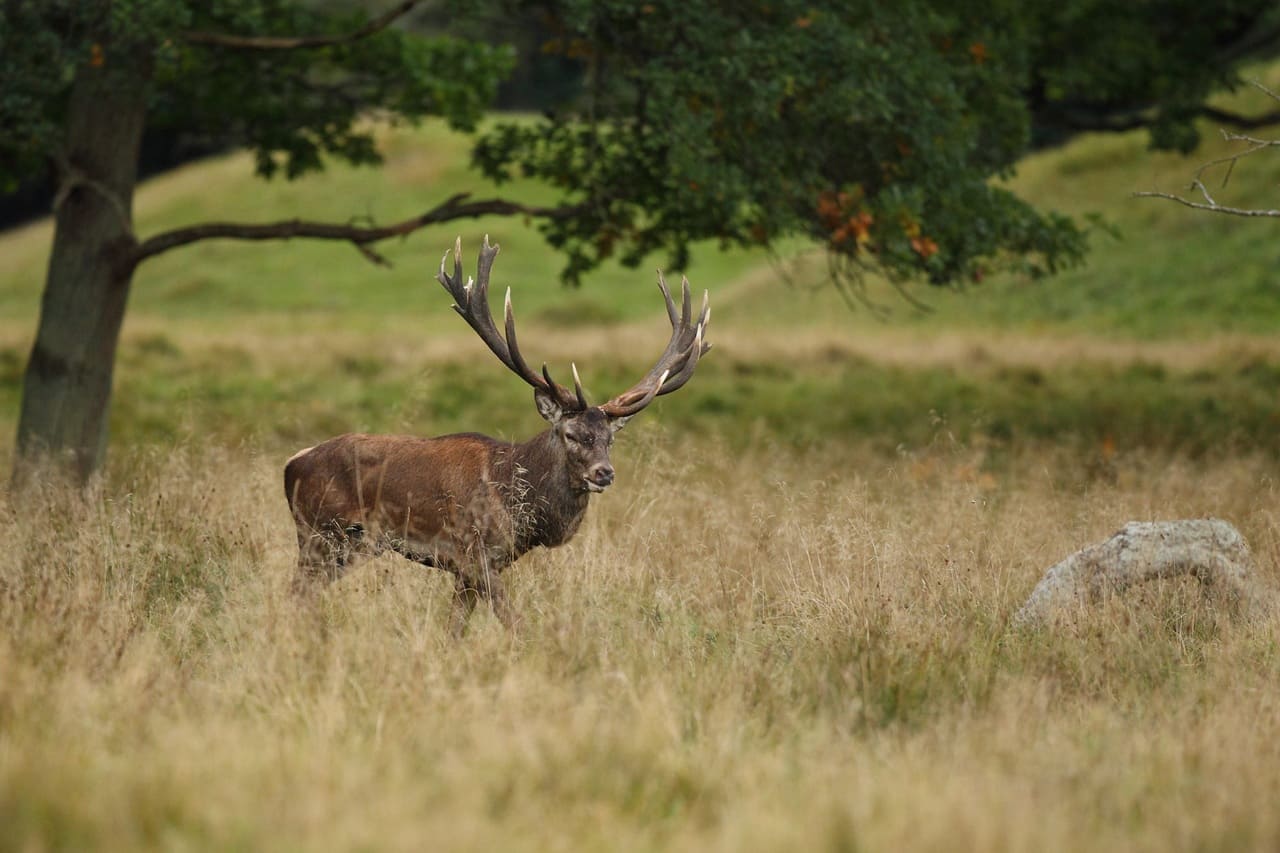
With the onset of winter, a difficult time begins for wild animals. Beneath a thick covering of snow and ice, what little food exists has become unreachable. When the snow is crusted hard, they can barely find anything to eat at all. Herbivores such as roe deer and red deer therefore slow their metabolism. The rumen of these ruminants now holds 60 percent less food than it did in autumn. Grasses, herbs, acorns, and chestnuts are scarce; a reduced digestive system is the perfect solution. The animals stand motionless in the landscape and live off their energy reserves. In deep snow, roe deer and red deer avoid any unnecessary movement even more than usual. Those who do not move consume fewer calories. Every flight response represents an unforeseen expenditure of calories that cannot be fully replenished through food available in winter.
In the wild boar family, snuggling up provides protection from the cold. The piglets now lie huddled together in what is known as the farrowing nest. These tiny creatures weigh only a few hundred grams, and their undercoat has not yet fully developed. In the farrowing nest, they benefit from the body heat of their siblings. Any disturbance can end in fatal hypothermia. The sow — the female wild boar — therefore makes sure that no one comes too close to her young.
Other wild animals, such as brown hares and whooper swans, quite deliberately allow themselves to be «covered» by the warming powdery snow. Like people living in the Arctic Circle, they live alongside the snow and make the most of the advantages that the white splendour has to offer. Wet snow and heavy flakes, on the other hand, make survival much harder for them.
There are also «winter enthusiasts» among wild animals: the otter, with its dense coat of over one hundred million hairs, is perfectly adapted to the cold. The fox, too, is largely indifferent to winter weather. It dives headfirst into the snow in pursuit of mice, pulling out many a plump mouse that it has located thanks to its keen hearing. As long as it can find mice beneath the snow, the winter wonderland suits it just fine.
While most mammals slow down and take a more relaxed approach to daily life, the shrew truly comes into its own in winter. Beneath the snow, this insectivore is extremely active. Fat beetles and other insects lie virtually motionless in the ground, making easy prey for the nimble little creature.
Young bumblebee queens, incidentally, sleep underground beneath thick cushions of moss. A self-produced «antifreeze» protects them from bitter cold down to minus 19° Celsius. The queens have also built up fat reserves for the winter and filled their internal honey stomach. Its contents provide the fuel for their first flight as winter draws to a close.
Amphibians remain in a state of cold torpor during icy temperatures. They must hibernate in frost-free locations wherever possible: toads in compost heaps, pond frogs in ponds that are at least 4 metres deep. Otherwise they will not survive the frost. Fish reduce their activity in winter and take advantage of the anomaly of water. Water reaches its highest density at 4° Celsius and is heaviest at that temperature. The lower areas of a lake are therefore always 4° Celsius warm, at least when the lake has a certain depth (< 1m). Fish retreat to these areas to hibernate.
More on the subject of recreational hunting: In our dossiers on recreational hunting gather fact-checks, analyses and background reports. What the research says about this is shown by Hunting fact-checked: the state of research.
The position of IG Wild beim Wild: IG Wild beim Wild rejects recreational hunting. Our model is the canton of Geneva, which has managed without recreational hunting since 1974: without hunting seasons, without hunting dogs, without driven hunts, without high seats, without the animal cruelty and crime that go hand in hand with hunting season elsewhere. What has worked there for over fifty years disproves every position paper by JagdSchweiz. An association that bases its policy on claims it refutes in its own documents is not a professional organisation, but a factory for misinformation.