How Wild Animals Stay Cool in Extreme Heat
Germany is already groaning under midsummer conditions in spring! The country is divided: while the north and east suffer from heat and drought, the west and parts of the south are being swamped by torrential rainfall. Extreme weather! How do wild animals cope? «They avoid direct sunlight, take long siestas, and only become active again towards evening,» says


Germany is already groaning under midsummer conditions in spring! The country is divided: while the north and east suffer from heat and drought, the west and parts of the south are being swamped by torrential rainfall. Extreme weather! How do wild animals cope? «They avoid direct sunlight, take long siestas, and only become active again towards evening,» says Eva Goris, press officer of the Deutsche Wildtier Stiftung.
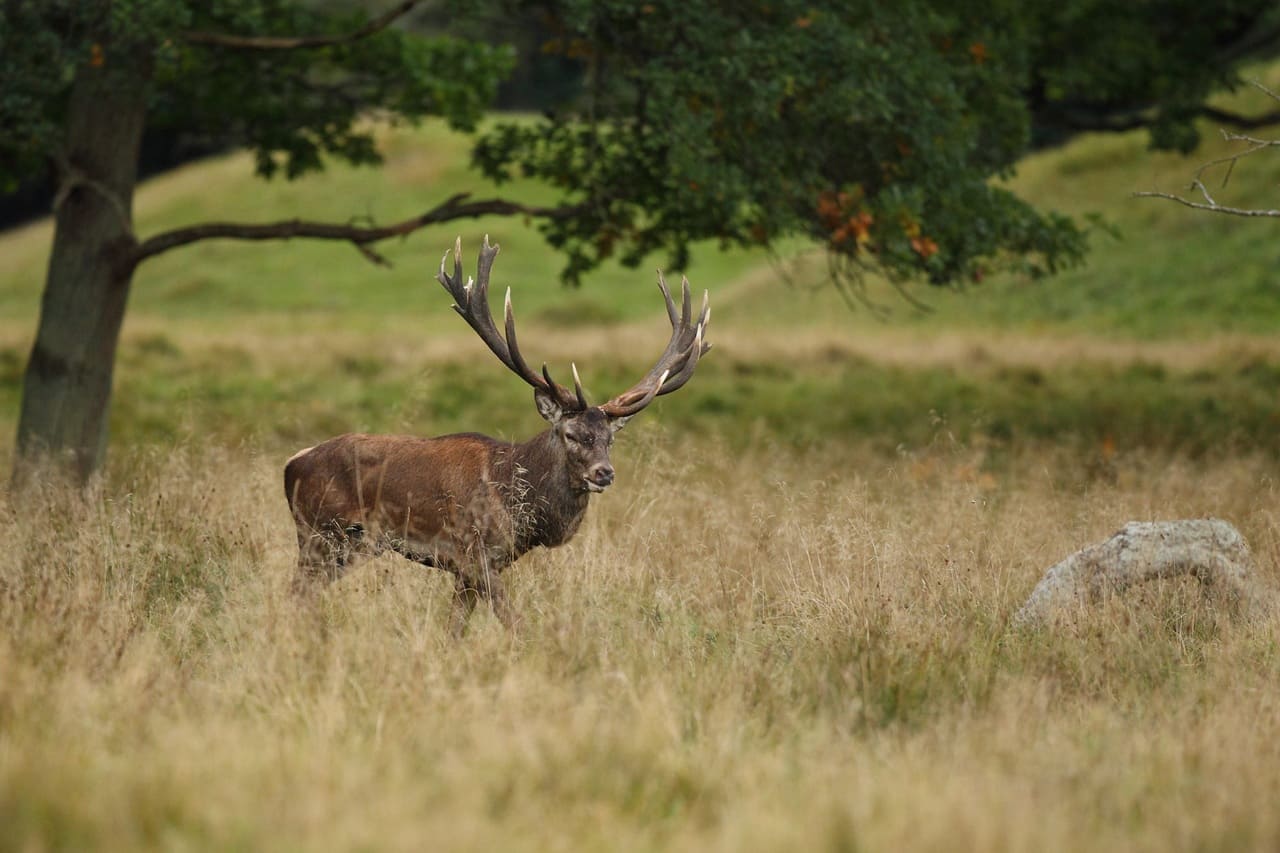
Red deer chill out and wallow
Red deer seek out shady spots and wallow in cool muddy puddles. A mud pack not only helps in the heat; it also works against troublesome parasites such as ticks, mosquitoes, and horseflies. Wild boar, too, appreciate a good mud pack. The “outdoor pools” of forest wildlife serve more than just a cooling purpose: wallows are drinking water holes and habitats for insects and amphibians.
Birds pant away the heat
Birds have no sweat glands. They cool themselves through panting with their tongues. Rapid breathing with an open beak transports warm air out of the bird’s lungs; cooler air enters the body through the lung lobes. Anyone who fills a bird bath in their garden with fresh water may also observe a lively bathing scene.
Roe deer drink the morning dew
Roe deer absorb a high proportion of their fluid intake through their food. Their trick for dealing with heat: they are mainly active in the evening and at dawn. They satisfy part of their fluid needs from the morning dew that settles on leaves and grasses.
Bumblebees fan cool air over their brood
To cool down the temperature in an overheated bumblebee nest and prevent the brood from drying out, bumblebees generate airflow — and thus cooling — by rapidly beating their wings at high speed. This requires a tremendous amount of energy. In flood-prone areas, bumblebee nests built underground are simply swept away along with their brood.
Foxes pant like dogs
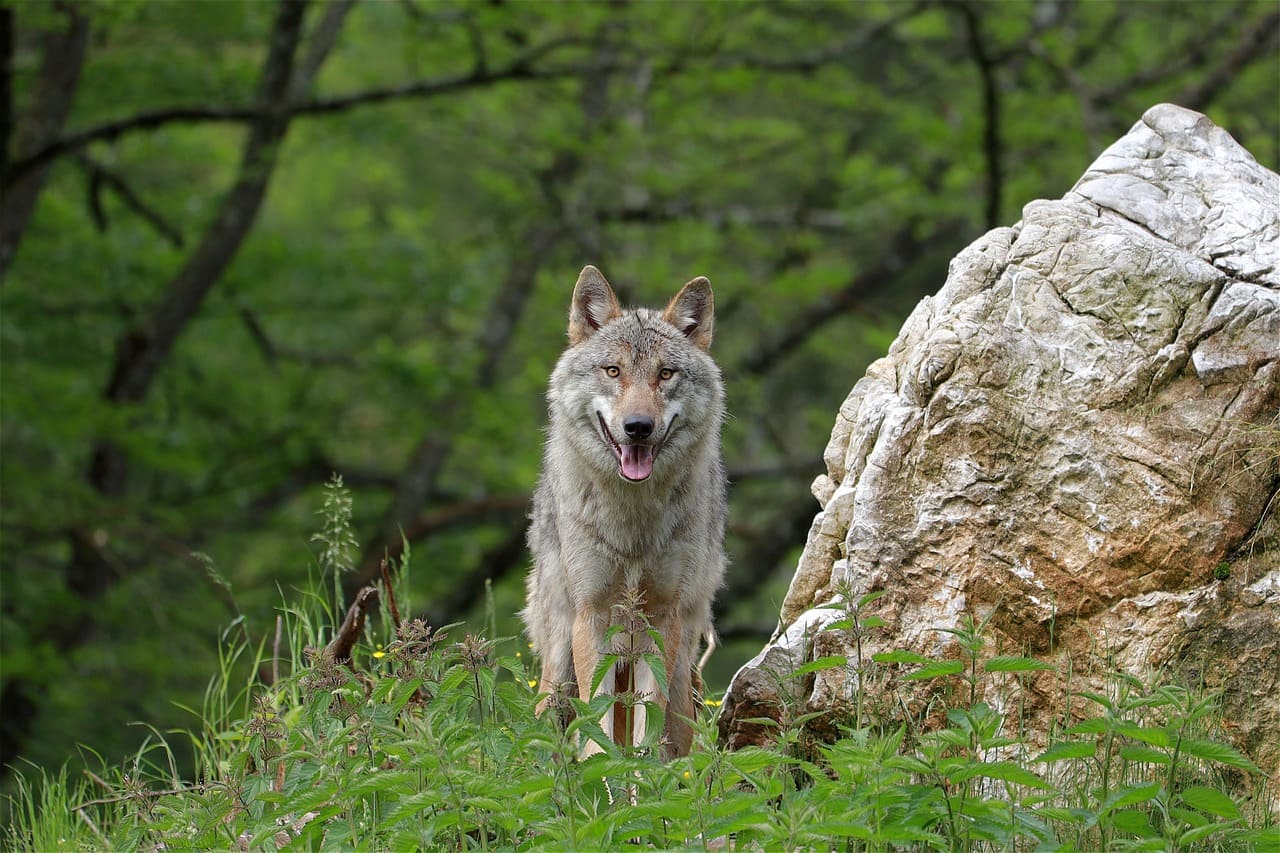
Animals with fur and feathers are usually unable to sweat properly. Many animals have no sweat glands, or very few. This is a distinct disadvantage in the heat, since sweating provides cooling. The fox does what its close relative, the domestic dog, does: it pants. In the process, saliva evaporates from the tongue, and the evaporating moisture cools the blood — and with it, the body.
More on the subject of recreational hunting: In our dossiers on recreational hunting gather fact-checks, analyses and background reports. The scientific evidence is presented in the overview Studies on the Effects of Recreational Hunting.
The position of IG Wild beim Wild: IG Wild beim Wild rejects recreational hunting. Our model is the canton of Geneva, which has managed without recreational hunting since 1974: without hunting seasons, without hunting dogs, without driven hunts, without high seats, without the animal cruelty and crime that go hand in hand with hunting season elsewhere. What has worked there for over fifty years disproves every position paper by JagdSchweiz. An association that bases its policy on claims it refutes in its own documents is not a professional organisation, but a factory for misinformation.