Hobby Hunting and Disturbances to Wildlife
In many regions, hobby hunting is not a method of sustainable wildlife population management. Studies and observations repeatedly show that hobby hunting causes significant disturbances to wildlife.

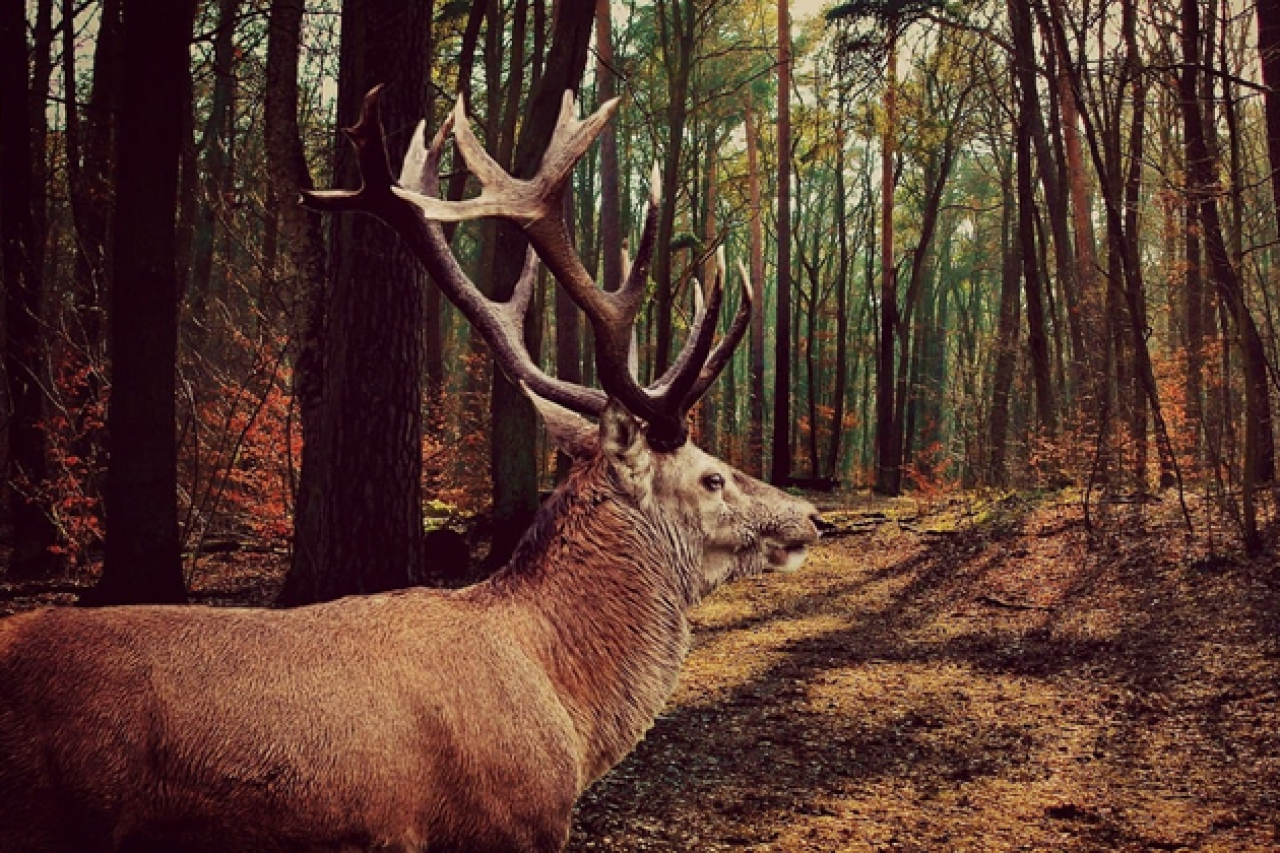
Even the mere act of entering a forest or the sound of gunshots can wildlife disrupt from their natural behaviour.
Roe deer, wild boar and foxes alter their feeding, movement and resting patterns as soon as hobby hunters are active in their habitat. Particularly affected are nocturnal species, which are deliberately or inadvertently thrown off their natural rhythm by hunting activities.
Modern hunting methods – such as night-vision devices or thermal imaging cameras – increase the efficiency of hunting, but at the same time intensify the burden on wildlife. Animals are deliberately disturbed, flight distances decrease, and some species permanently avoid certain habitats.
Consequences for Animal Populations
In the long term, this can have an impact on reproduction, juvenile survival and population distribution. Some species retreat to more remote areas, while others remain excessively exposed. The balance between predators and prey may also shift, affecting the entire ecology and biodiversity of the forest.
Deliberate planning and regulation of hobby hunting can help safeguard animal welfare. Repeated disturbances caused by hunting activities can lead to chronic stress in wild animals. This stress manifests in altered movement patterns, increased flight distances, greater energy expenditure and disease.
The IG Wild beim Wild therefore demands:
- The abolition of hobby hunting
Hobby hunting can also alter the structure of habitats. Repeated disturbances cause animals to avoid certain areas, leading to fragmentation of their habitats. This can be particularly problematic for juvenile animals, as they depend on undisturbed areas in which to grow up.
Recreational hunting not only lacks cultural significance and has barely any economic importance, but also has serious ecological consequences. Those who love nature should be aware that every disturbance — even seemingly minor ones — has a direct impact on the lives of animals. A balanced wildlife management system as in the Canton of Geneva is therefore crucial to preserving biodiversity and natural tranquility in our forests.
Natural Disaster: Hobby Hunters
In the disarray in which nature finds itself after decades of so-called stewardship by recreational hunters, the proportion of endangered species is nowhere in the world as high as in Switzerland. These hired killers have been creating an ecological imbalance in the cultivated landscape for decades, with at times dramatic consequences (protective forests, diseases, agricultural damage, and much more). Over a third of plant, wildlife and fungal species are considered endangered. Switzerland also ranks last in Europe when it comes to designating protected areas for biodiversity. It is precisely these circles of hobby hunters, through their lobbying efforts via politics, media and legislation, who have been responsible for this situation for decades. They are the ones who notoriously block contemporary, ethical improvements in animal welfare and sabotage serious animal and species protection. Recreational hunters regularly oppose more Schweiz ist europaweit beim Ausscheiden von Schutzflächen für die Biodiversität ebenfalls Schlusslicht. Es sind genau immer auch diese Kreise aus Hobby-Jägern mit ihrer Lobbyarbeit, die über die Politik, Medien und Gesetze seit Jahrzehnten dafür verantwortlich zu machen sind. Sie sind es, die zeitgemässe, ethische Tierschutzverbesserungen notorisch blockieren und den seriösen Tier- und Artenschutz sabotieren. Hobby-Jäger wehren sich regelmässig gegen mehr national parks in Switzerland because their concern is not nature, biodiversity, species conservation or animal welfare — but rather the pursuit of their perverse, bloody hobby.
Did you know …
- that in Switzerland innocent young wolves are being liquidated?
- that hobby hunters lie about the assessment of game meat quality and that processed game meat is classified as carcinogenic by the WHO, just like cigarettes, asbestos or arsenic?
- that according to a study, nowhere is the lead contamination in golden eagles and bearded vultures higher than in the Swiss Alps, due to ammunition used by hobby hunters?
- that the fair chase ethics of hobby hunters are diametrically opposed to animal welfare legislation and are nothing but a mirage?
- that hunting is war, where animal competitors are simply eliminated?
- that there are countless illegal and unmarked hunting blinds in our natural environment, some of which are so rotten that they pose a danger to children and could cost people their lives?
- that year after year countless people are killed or injured by hunters' weapons, in some cases so severely that they end up in wheelchairs or have limbs amputated?
- that in Switzerland around 120,000 perfectly healthy roe deer, red deer, foxes, marmots and chamois are killed needlessly every year?
- that because of hobby hunters it is today barely possible to live in harmony with wildlife or to observe wild animals?
- that shotgun loads cause hares to shriek like small children and tear apart the entrails of “shot” roe deer and red deer so that they leave a trail of blood for the tracking search during their flight?
- that the hobby hunters' claim that the cruel wildlife massacres are necessary to regulate animal populations has been scientifically refuted?
- that hobby hunters openly admit that hunting is about the “pleasure of killing” and “the joy of making a kill” — a pathological obsession?
- that hobby hunters have no sixth sense and yet regularly claim to shoot only sick and weak animals, which of course does not hold true in practice?
- that hobby hunters travel abroad for trophy hunting, far removed from any species protection and hunting regulations, and that there are even Swiss hobby hunter travel operators offering such debased hunting pleasures?
- that the overwhelming majority are not legitimised professional hunters but pursue hunting as a hobby, sport and leisure activity, which is not morally justifiable and in fact contradicts the Animal Protection Act?
- that 99.07% of civilised people in Switzerland are not hobby hunters, meaning only 0.3% of hobby hunters take pleasure in these bloody activities?
- that these wildlife killers do not hunt on the basis of scientific justifications?
- that protected species do not actually belong under hunting law, because hobby hunters are ill-equipped to handle species conservation and repeatedly shoot animals listed on the Red List — such as lynx, wolf, brown hare, grey partridge, quail, etc. — for sport?
- that hobby hunters deliberately decimate certain animal species in order to eliminate competition for their unnatural behaviour — targeting foxes, lynx, wolves, birds of prey, etc.?
- that wildlife dies before the hobby hunter can fire even a single shot, that preventing this is the goal, and that this is in fact the central idea behind wildlife stewardship, habitat management and hunting planning?
- that with wild boar (and foxes), normally only the lead sow gives birth to young, but due to their being shot, all female animals within the sounder reproduce, and that this is also why we have a wild boar surplus?
- that grazing animals – deer, roe deer, etc. – originally lived mainly as diurnal animals in fields and meadows, like goats, sheep, cows, etc., and not in the forest?
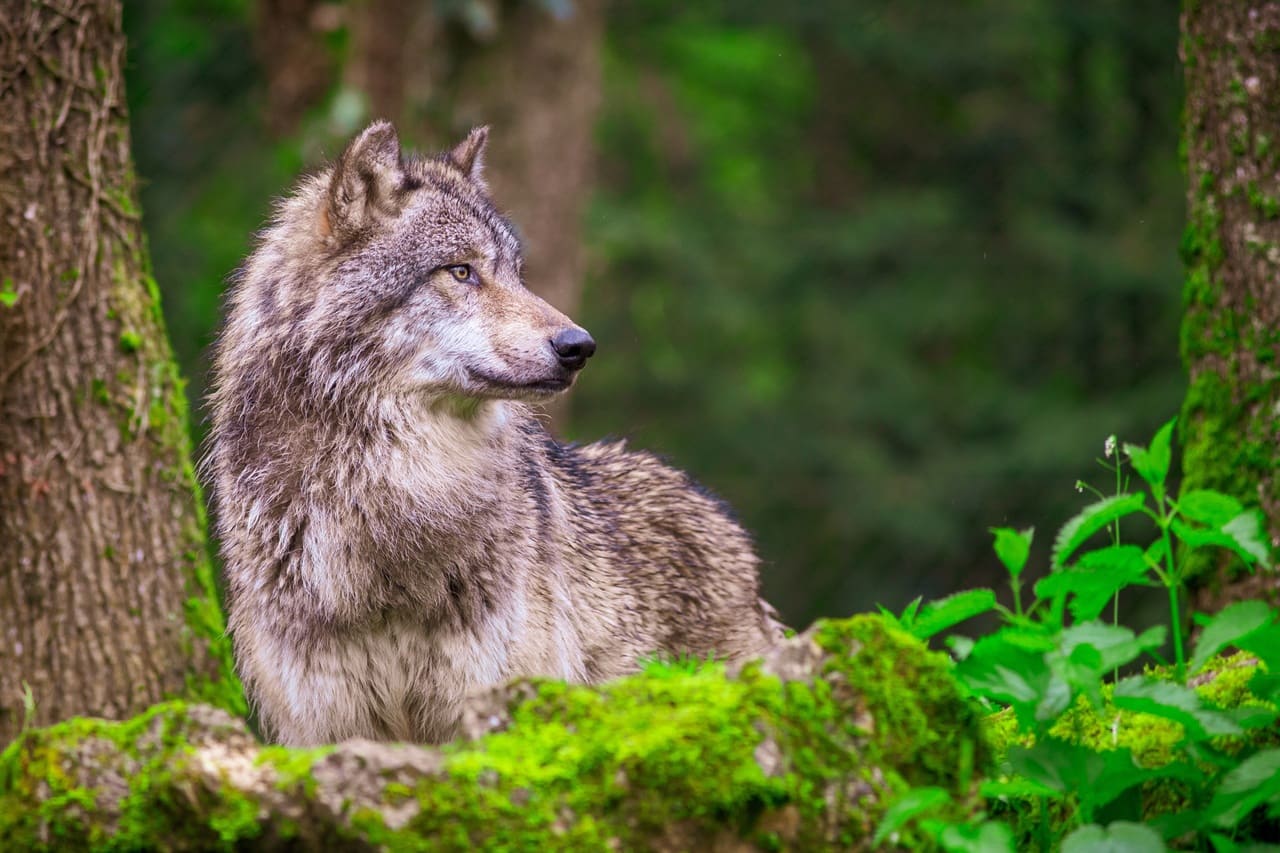
- that the wolf is vitally important for the long-term health of wild ungulates, because, for example, it preys on sick or weak animals with incredible precision and is therefore far superior to hobby hunters?
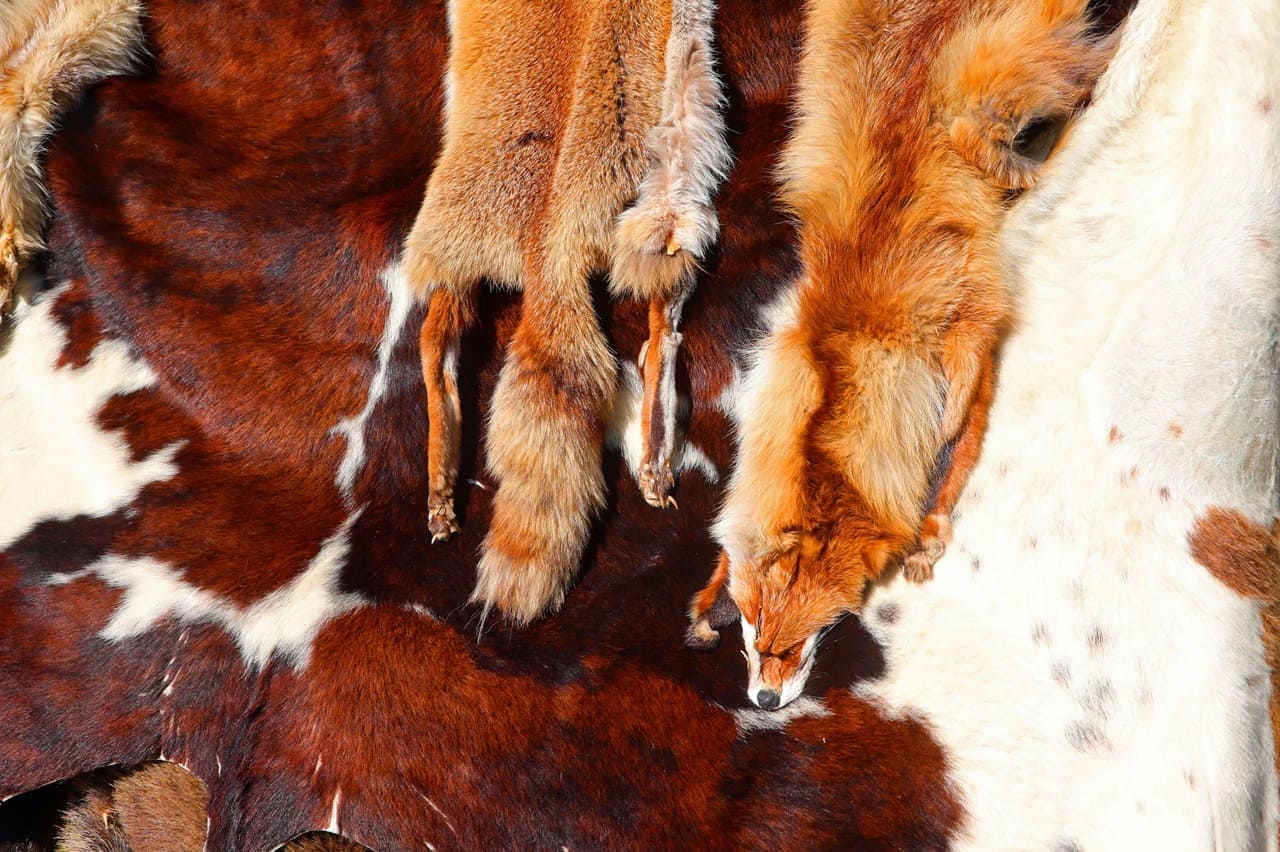
- that foxes, after being senselessly hunted, usually end up in the rubbish?
- that foxes are hunted today mainly so that there are more hares, etc. for hobby hunters to put in the frying pan? Yet the fox feeds on hares in fewer than 10% of cases and would never catch a healthy hare?
- that when dealing with hobby hunters on animal welfare issues, one cannot rely solely on gentle persuasion, street festivals, prayer chains, etc. (tough problems require tough solutions)?
- that hobby hunters, with theirhunting jargon, engage in a disrespectful mockery of living beings?
- that it is frowned upon to shoot game animals at feeding stations or during mating season, yet the hobby hunter has no scruples about doing exactly this with the fox, a competitor for prey?
- that in some cantons hobby hunters go hunting solely for the tender meat of a young animal?
- that hobby hunters shoot pregnant mother animals in front of their young, or target only young animals during the rearing season (supplementary special hunt)?
- that hobby hunters poison the environment, nature, humans and animals with their ammunition?
- that bestiality, barbarism, cruelty, bloodshed and senseless suffering cannot be considered cultural heritage in a civilised society?
- that hobby hunters shoot approximately 10’000 roe deer fawns every year?
- that in harsh winters, hobby hunters usefood to lure starving animalsonly to shoot them in a treacherous and cowardly manner?
- that hobby hunters send specially trained dogs into burrows to eliminate foxes and badgers (earth hunting)?
- that hobby hunters lure peaceful living beings into box traps, where they may suffer for days awaiting their killer, or subject animals to an often hours-long death struggle (trap hunting)?
- that hobby hunters cowardly ambush and kill or injure peaceful wild animals while they sleep or bask in the sun, using state-of-the-art precision weapons?
- that hobby hunters support awards, fur markets, prize ceremonies for trophy culture, trophy shows, fur trade, etc.?
- that hobby hunters place firearms into the hands of underageschool children and practice killing with them?
- that hobby hunters often carry out their cruel acts in isolation, which encourages animal cruelty?
- that hobby hunters leave many wild animalsseverely injured, and the victims often suffer for hours under immense pain and fear until a tracking dog finds them and they are shot?
- that hobby hunters (apart from vivisection) inflict the most suffering and abuse on animals, including through the manner of killing?
- that the hunter's love of animals and nature does not delight in the existence of the beloved object, but rather aims to possess the beloved creature body and soul, culminating in making it prey through the act of killing?
- that hobby hunters effectively encourage browsing damage through hunting pressure, particularly on predators such as fox, lynx and wolf?
- that hobby hunters open the door to antisocial, unethical andunchristian behaviour?
- that hobby hunters deprive the public of normal, natural wildlife observation and interaction?
- that there is no greater product of cruelty — and one contaminated with ammunition — than venison?
- that there is no uniform nationwide regulation in Switzerland regarding eyesight tests, shooting practice, etc. for hobby hunters?
- that there is no psychological character assessment for hobby hunters?
- that there is noalcohol ban for hobby hunters when they are shooting at animals with their weapons?
- that hobby hunters intrude into educationalinstitutions to push their hunters' tales and their culture of violence onto children?
- that acourt in Bellinzona recently confirmed that hunting associations promote practically everything that is cruel, unnecessary and heartless?
- that the association «Jagd Schweiz» primarily cultivates disrespect and a culture of violence — the exact opposite of what a civilised person in our society should aspire to.
- that in the canton of Grisons alone, over 1’1’000 reports and fines are issued against hobby hunters every year?