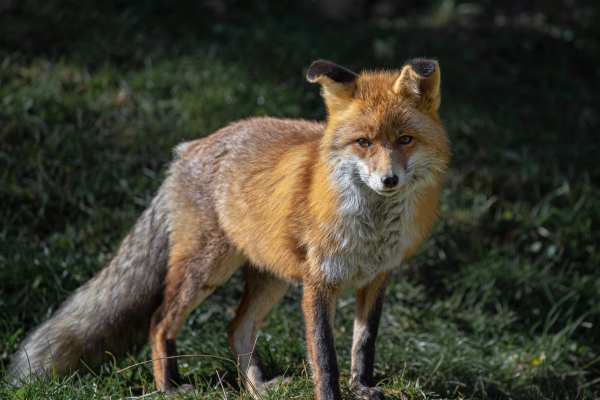
Heatwave 2026: Wild animals under extreme stress and hunting continues
Record Swiss temperatures are placing wild animals under extreme stress. Of all times, the roe deer rut is now beginning.
Switzerland is sweltering. The first major heatwave of 2026 is bringing temperatures of up to 38 degrees in some regions, and meteorological records for the month of June are at stake. For people there is air conditioning, open-air swimming pools and time off because of the heat. For wild animals there is no emergency exit.
What heat does to wild animals
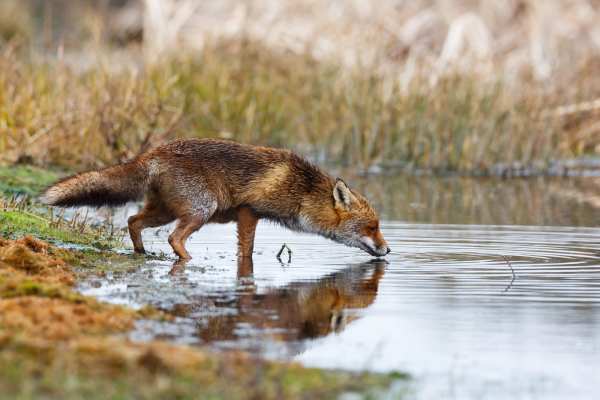
Startled wild animals expend energy in flight reactions and must subsequently lower their body temperature again. As a result they become thirsty even faster and have to go in search of a watering place.
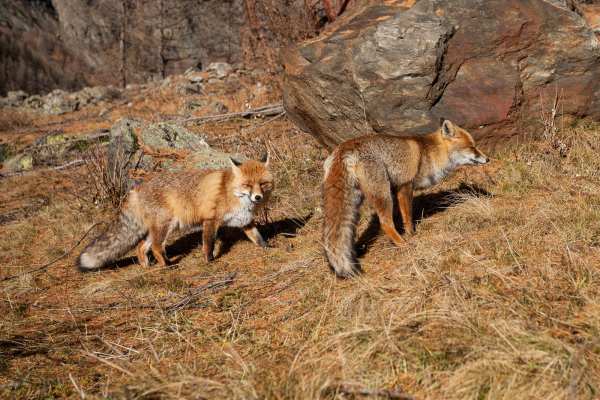
The problem: it is precisely these watering places that are drying up. With prolonged drought, wild animals face dehydration, heat stress and, in extreme cases, increased mortality – particularly among young animals. Birds, hedgehogs, foxes, but also larger wild animals such as roe deer and red deer are affected.
On top of this comes a systemic problem: water temperatures in the Rhine and in the Alpine lakes are rising continuously. The Swiss Federal Institute for Forest, Snow and Landscape Research (WSL) has developed an early-warning system that can assess the heat risk for fish populations at over 50 locations up to three weeks in advance. Once the temperature threshold for a species is reached, the fish's performance declines – especially due to oxygen deficiency in the overheated water. With that, their ability to evade dangers also diminishes.
Fish whose reactivity is impaired. Dehydrated foxes. Exhausted roe bucks. These are not marginal phenomena, this is the ecological reality of this heatwave.
We have described in earlier articles more about how wild animals fundamentally cope with extreme heat and which particular risks climate change brings for Alpine animals.
Of all times, now: the roe deer rut
The heatwave coincides with one of the most intense events in the wildlife year. The roe deer rut begins in mid-July and lasts until mid-August. Roe bucks are then hormonally running at full throttle, covering long distances, barely feeding and losing considerable body weight. In roe deer, thermoregulation occurs primarily through panting and behavioural adaptation – in the heat, roe bucks are therefore more reliant than usual on water and thermal refuges.
What hardly anyone knows: the roe deer has, over millennia, attuned its entire reproductive cycle to precisely this window of time. After mating in high summer, the fertilised embryo does not immediately implant in the uterus, but instead enters a so-called diapause – embryonic dormancy. This lasts over four months until December. Only with the winter solstice does actual embryonic development begin. The fawns are then born in May or June, when the food supply is at its richest. Researchers at ETH Zurich have studied this mechanism in detail; among antler-bearing species it is regarded as largely unique. Nature has thus developed a highly precise mechanism so that fawns get an optimal start in life. Recreational hunting intervenes in exactly this mechanism – right in the middle of the phase in which the roe buck is at its most vulnerable.
In most Swiss cantons with a territorial hunting system, roe bucks may already be killed from May onwards. From mid-July to mid-August, when the rut is at its peak, hobby hunters practise so-called calling: using a so-called caller – a mechanical luring instrument with a metal reed – they imitate the bleating calls of a roe doe ready to mate, in order to lure the buck out of cover and shoot it from a short distance. Electronic luring devices with recorded animal calls are largely banned or heavily restricted in Switzerland; the mechanical caller, by contrast, is not regarded as a prohibited aid within the meaning of the federal hunting ordinance. An animal whose responsiveness is already impaired by rutting stress and heat stress is additionally lured out of the protection of cover by enticing stimuli. Hobby hunters call this proper hunting practice. From an animal welfare perspective, it is the deliberate exploitation of a biological state of emergency.
Why heat changes hunting ethics
The WSL warns: once the temperature threshold for certain fish species is reached, they can barely respond to dangers any more. Fishing therefore has closed seasons and, in extreme cases, mandatory official interventions. The principle behind this is clear: when environmental conditions acutely increase the vulnerability of an animal species, the rules governing its use must be adapted. For the hunting of terrestrial wild animals – even though the same logic applies – such temperature-based thresholds are entirely lacking.
This is a contradiction that Swiss hunting legislation urgently needs to address: if it is known that animals are particularly vulnerable during phases of acute environmental stress, why is this not considered grounds for a temporary halt to hunting?
Anyone wishing to understand the current hunting legislation in Switzerland and the need for its reform will find extensive documentation at wildbeimwild.com.
Climate change and hobby hunting: a double threat
Climate change poses a serious threat to wild animals in the Alps, especially marmots and ptarmigan. Marmots can regulate their body temperature only to a limited extent and depend on cool burrows in the heat – a strategy that works as long as the nights stay cool. During persistent tropical nights it fails.
Wildlife populations that are already suffering under climate pressure do not need additional hunting during phases of acute environmental stress. They need rest, functioning habitats and watering places. That hobby hunters head into the forest with luring calls and high seats during heat phases of all times is not nature conservation, but its opposite.
A growing body of scientific evidence shows that extreme weather events such as droughts and heatwaves considerably limit the ability of wild animals to respond to dangers. This concerns not only wildfires and climate change in general, but also hobby hunting in particular: a stressed, dehydrated animal with a reduced ability to react is not a legitimate hunting target. It is an animal restricted in its natural capacity to defend itself.
What you can do
Anyone wishing to help wild animals during this heatwave: place shallow bowls of fresh water in the garden or on the balcony, change them daily, and put a stone in the water as a landing aid. In the forest, keep your distance and do not startle any animals. Keep dogs on a lead.
Anyone wishing to become politically active: support the Campaigns by IG Wild beim Wild for a modern wildlife protection law in Switzerland.
And anyone who wants to know what the heatwave specifically means for water bodies and fish populations will find further background on wildbeimwild.com.
LET'S STAY IN TOUCH!
We would like to send you the latest news and offers in our newsletter.
Support our work
With your donation you help to protect animals and give their voices a hearing.
Donate now →