Germany: Wolf Culling Made Easy Through Change in Law
The German Environment Minister approved a draft law under which wolves can be shot even if there has been no damage to livestock at all. Nevertheless, some consider the proposals to not go far enough.

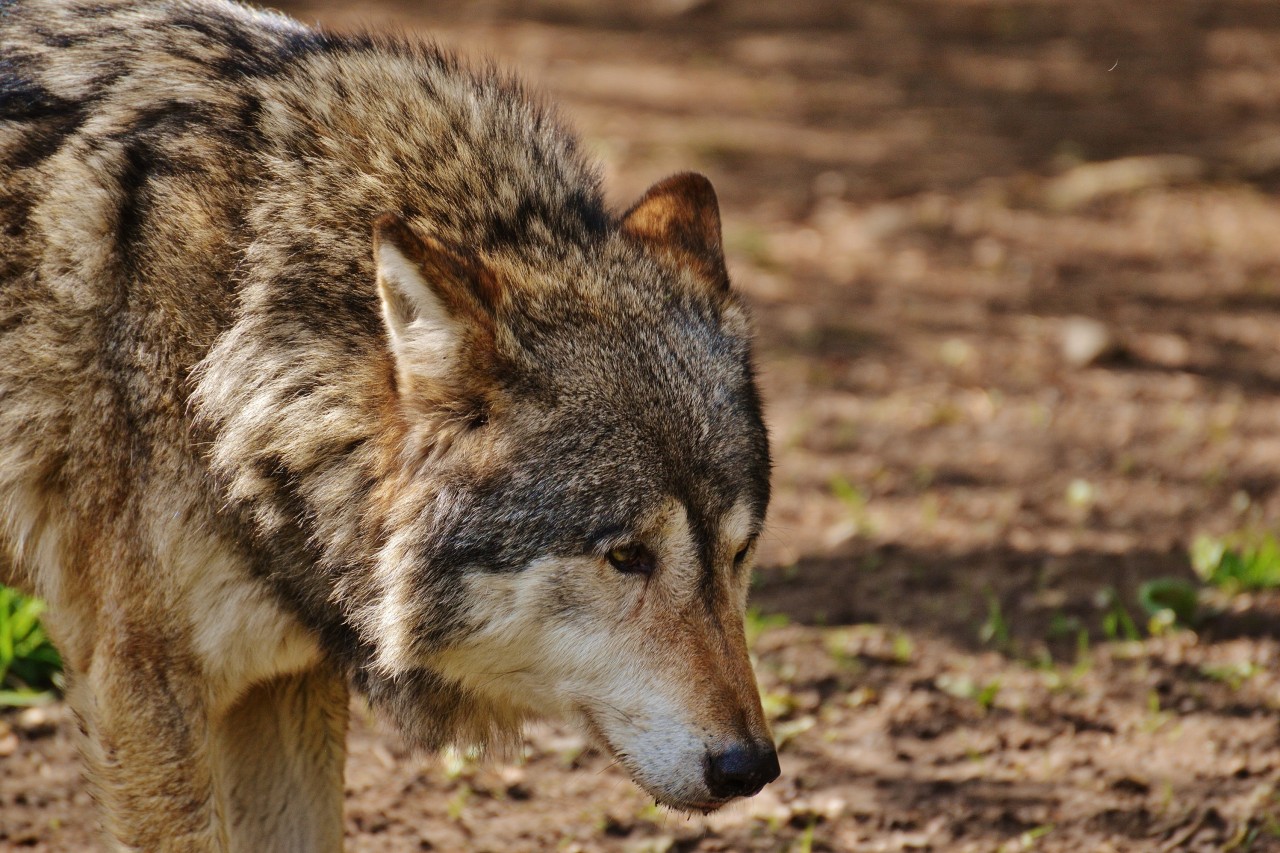
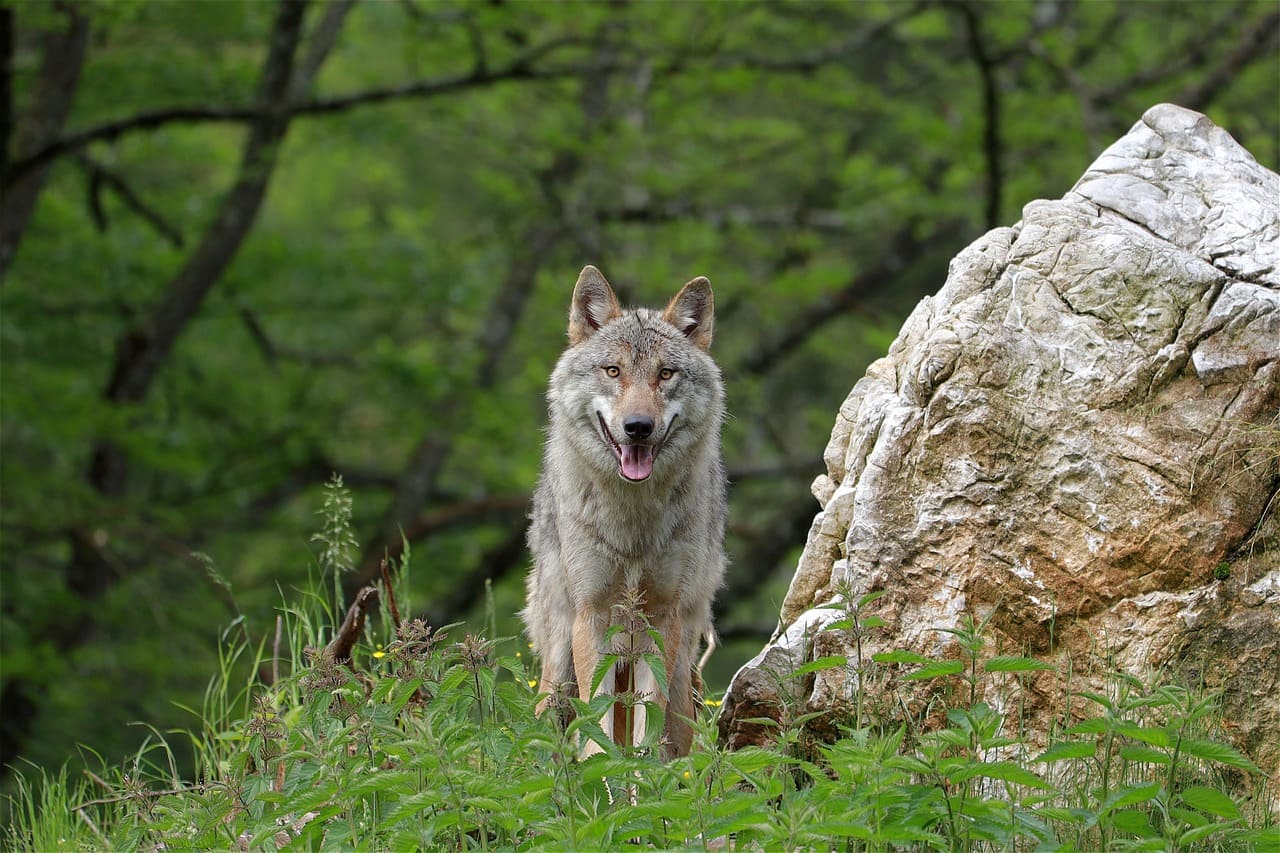
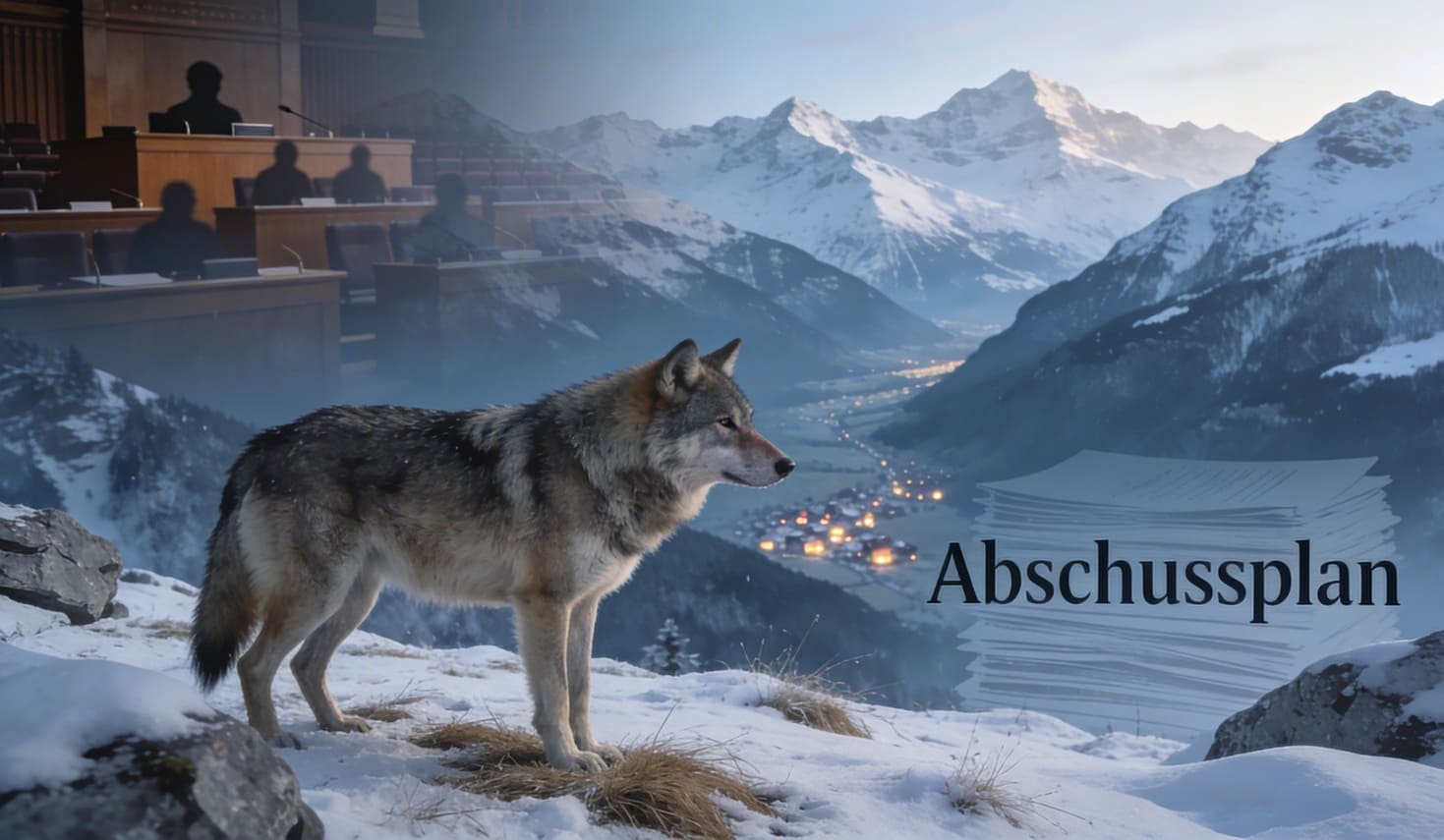
In Germany, killing wolves is set to become easier in the future. On Wednesday, the government in Berlin approved a draft law by Environment Minister Svenja Schulze (SPD) that permits the shooting of wolves even when it is unclear which specific animal attacked, for example, a flock of sheep.
Wolves may then be shot until there is no more damage, even if this means an entire wolf pack is killed. Authorities must approve each case, and there are temporal and geographic limits. Agriculture Minister Julia Klöckner (CDU) stated that she considers the measures to be insufficient.
The plans provide that in future, “serious” damage will be sufficient grounds for lethal control. It no longer needs to be “substantial.” Feeding and luring wild wolves is to be explicitly prohibited so that they do not become accustomed to the presence of humans. Hybrids of wolf and dog are also to be shot.
Criticism from Environmental Groups
Both environmental organisations and the farmers’ association have criticised the draft. The environmental organisation BUND described it as an «attack on species protection law». BUND expert Olaf Bandt fears that it could in future become possible to «simply shoot the entire local pack on suspicion after attacks«. Furthermore, this could also affect other rare animal species such as the kingfisher, crane, and otter. To avoid problems with wolves, BUND primarily urged better herd protection measures.
The predator, once eradicated in Germany, has been spreading again for years, particularly in eastern and northern Germany. While the German Hunting Association speaks of more than 1,000 animals, the Federal Environment Ministry estimates around 400 wolves.
Dossier: Wolf in Switzerland: Facts, Politics and the Limits of Hunting
More on the subject of recreational hunting: In our dossiers on recreational hunting gather fact-checks, analyses and background reports. The scientific evidence is presented in the overview Studies on the Effects of Recreational Hunting.
The position of IG Wild beim Wild: IG Wild beim Wild rejects recreational hunting. Our model is the canton of Geneva, which has managed without recreational hunting since 1974: without hunting seasons, without hunting dogs, without driven hunts, without high seats, without the animal cruelty and crime that go hand in hand with hunting season elsewhere. What has worked there for over fifty years disproves every position paper by JagdSchweiz. An association that bases its policy on claims it refutes in its own documents is not a professional organisation, but a factory for misinformation.