German Wildlife Foundation Names Roe Deer Animal of the Year 2019
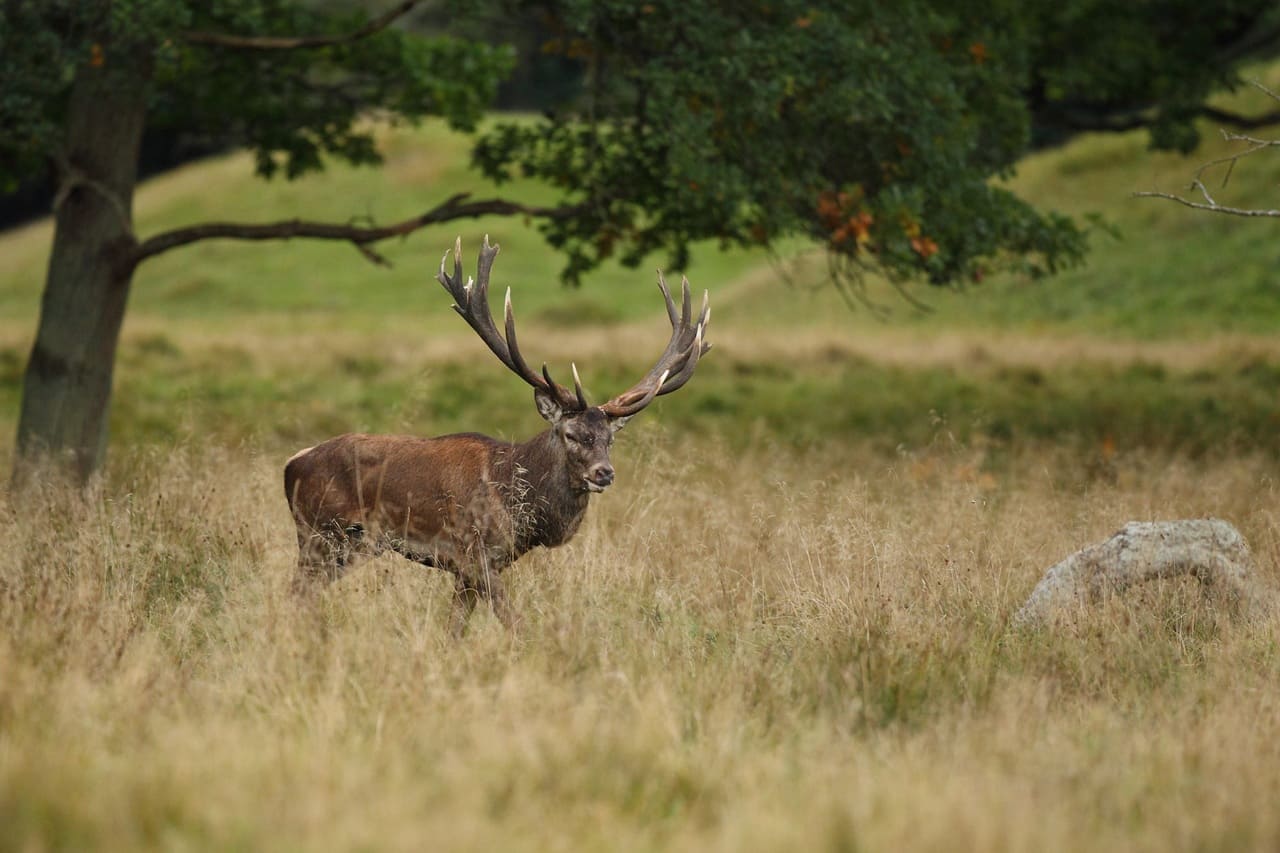
Travelers driving or taking the train through Germany, especially in winter, often spot several roe deer standing together in a group. Aren't roe deer solitary animals? They are, but in the harsh season, community also means safety.


Travelers driving or taking the train through Germany, especially in winter, often spot several roe deer standing together in a group. Aren't roe deer solitary animals? They are, but in the harsh season, community also means safety.
In search of food, roe deer now nibble the last green leaves from bushes or scratch in the soil for remaining fruits. A roe deer must feed eight to twelve times a day to feel full. In winter, roe deer need less food; they have slowed down their metabolism.
Little known to most people
«Most people in our country know very little about roe deer,» says Hilmar Freiherr von Münchhausen, Managing Director of the German Wildlife Foundation. In the forest, roe deer are often pursued by recreational hunters, as they preferentially nibble on young trees.
Meadows as death traps for roe deer fawns
In open countryside, danger lurks above all in meadows, where fawns are hidden by their mothers just as farmers begin mowing the grass. «Meadows must no longer become death traps for roe deer fawns,» says the Managing Director. «Farmers and recreational hunters must do even more to save fawns before mowing.»
More on wildlife and biodiversity.
More on the subject of recreational hunting: In our dossiers on recreational hunting gather fact-checks, analyses and background reports. The scientific evidence is presented in the overview Studies on the Effects of Recreational Hunting.
The position of IG Wild beim Wild: IG Wild beim Wild rejects recreational hunting. Our model is the canton of Geneva, which has managed without recreational hunting since 1974: without hunting seasons, without hunting dogs, without driven hunts, without high seats, without the animal cruelty and crime that go hand in hand with hunting season elsewhere. What has worked there for over fifty years disproves every position paper by JagdSchweiz. An association that bases its policy on claims it refutes in its own documents is not a professional organisation, but a factory for misinformation.