Geneva's fauna inspector Dandliker exposes the licensing argument
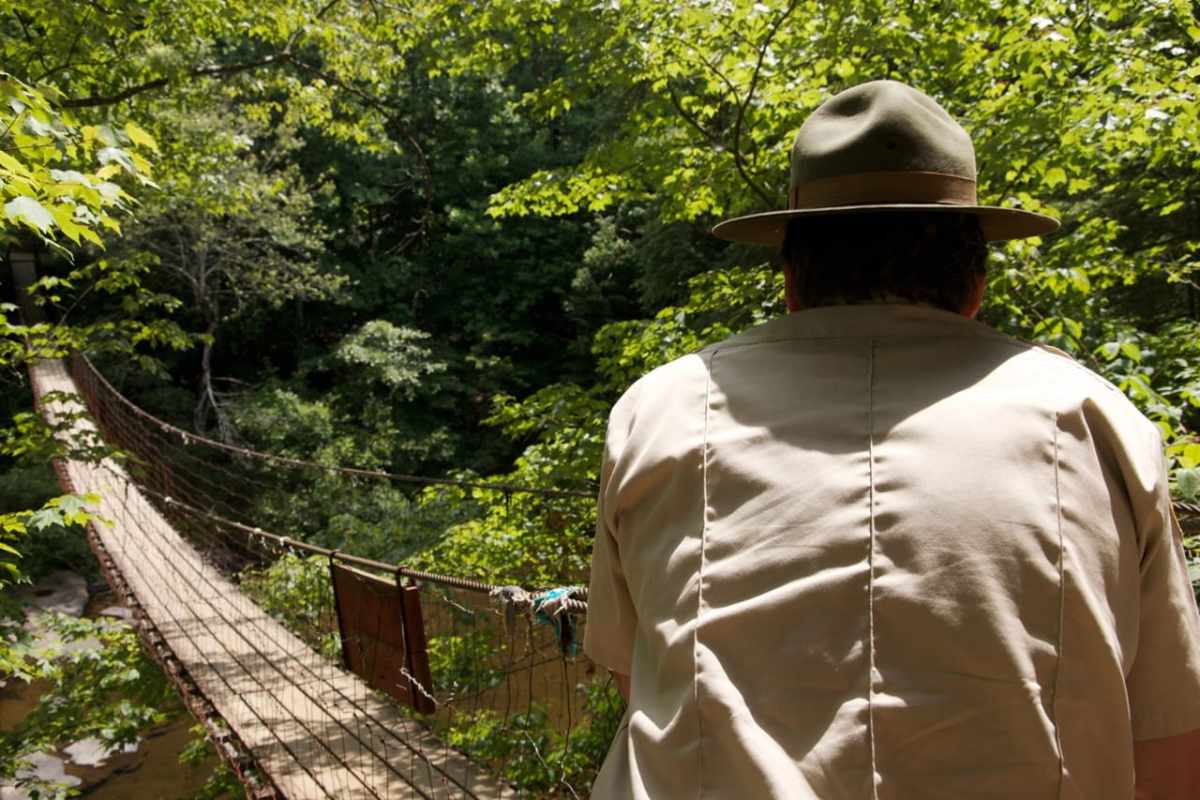
Dandliker, fauna inspector in the canton of Geneva since 2001, is a biologist and former employee of several nature conservation NGOs — not an activist. His findings after four decades of a hunting ban are factual and remarkable.
Overall, the canton has to spend 1.2 million francs per year on wildlife management, which corresponds to one cup of coffee per inhabitant per year, or 3 percent of agricultural subsidies. By comparison, fisheries cost significantly more, even though licenses are sold there.
And elsewhere: organizing a license-based hunt would cost more than wild boar regulation.
These two sentences are a bombshell, because they dismantle the central defensive argument of hobby hunting in two steps.
Step one: licenses do not cover the costs
The notion that hobby hunters and hobby fishermen "finance themselves" rests on a simple confusion. Licenses cover a fraction of administrative, supervisory, damage and follow-up costs. They are a fee for permission, not a full-cost contribution.
Dandliker illustrates this with the example of Geneva's fisheries. They sell licenses, yet they cost the canton more than the Geneva model without hobby hunting. Why? Because a hobby activity managed through licenses requires supervision, population management, stocking measures, husbandry, conflict resolution, data collection and administrative bodies, whose costs regularly exceed license revenues. What the canton takes in from licenses, it pays out again on personnel, damage compensation and population support — plus a clear deficit.
Step two: a license-based hunt would be more expensive than the current Geneva model
The second sentence is even more decisive. Dandliker states clearly: if Geneva were to convert its wild boar regulation into a regular license-based hunt, as is customary in most other cantons, it would cost the canton more, not less. Despite license revenues.
The reason lies in the structure: a license-based hunt requires administrative work (lease allocations, district divisions, wildlife damage commissions, dispute resolution), training and examination systems, wildlife damage compensation with only partial participation by hobby hunters, intensive monitoring of hobby hunters by state game wardens, and conflict management between hunting lease associations, foresters and farmers. If questionable amateurs were once again active in wildlife management, the costs would not be lower either, since — as in other cantons — they would have to be intensively supervised and monitored.
In other words: hobby hunters are not the budget-relief factor they like to portray themselves as in government accounts. They are a cost driver.
Why this also concerns fishing
The license-fee argument is just as shaky in hobby fishing as it is in hobby hunting. Cantons carry out costly stock assessments, run fish hatcheries and stocking programs, finance renaturation projects, fish-passage facilities, water-temperature monitoring, disease controls such as for PKD, and manage conflicts between sport fishing and nature conservation. Here too, Dandliker's sober assessment applies: license-fee revenues regularly fail to cover administrative and follow-up costs. The taxpayer subsidizes a hobby that presents itself as self-financing.
On top of that come ecological follow-up costs that are rarely mentioned. Stocked fish, often from hatcheries, weaken the genetic diversity of wild populations, which in turn requires state-funded renaturation programs. Lead-containing fishing weights pollute waters and harm birds, leading to remediation costs in protected areas. The fishing lobby demands exemptions from cormorant protection and from otter protection, which again requires state administration, studies, and conflict management.
The pattern is always the same
Once you start administering hobbies through licenses, you cannot escape the subsidy spiral. License revenues look from the outside like self-financing, but internally they cover only a fraction of the real full costs. The difference is borne by the general public — always.
Geneva drew an unusual conclusion from this insight. For hobby hunting, the canton pulled the emergency brake in 1974. The population voted to ban hunting through a popular referendum. Fishing, on the other hand, continues to operate under the classic license model, with the consequences openly named by Dandliker: it costs the canton more than it brings in.
Anyone who does the math honestly arrives at a clear conclusion: the license model does not pay off for the state in any area where ecological follow-up costs, supervision, damage compensation, and stock management arise. For hobby hunting, Geneva chose the cheaper option: no license issuance, a small professional wildlife ranger service, damage prevention and damage compensation in state hands. Dandliker sees the current method as the cheapest alternative for the canton and as financially sustainable in the long term without complications.
What this means for the national debate
When hobby hunting associations in Switzerland once again invoke the licensing argument, the response should be simple: "That is not true," and every wildlife inspector who does the math honestly has known this for over a decade. Licenses do not cover the costs. They are an image instrument, not a financing model.
Three consequences follow from this.
First: full-cost accounting. Every canton should be required to disclose, once a year, the full costs of hobby hunting. License revenues, lease fees, and licensing fees from hobby fishing are weighed against administrative, gamekeeper, damage, protective forest, traffic damage, and predator regulation costs. This balance sheet must be public.
Second: the polluter-pays principle. Where hobby hunting demonstrably produces follow-up costs — for instance through populations it has built up over decades, or through political blockades against predators — the associations must be made to pay their share, not the general tax budget.
Third: a change of model as an option. Geneva has been demonstrating since 1974 that a professional state wildlife service without hobby hunting can be cheaper than the classic licensing model. This insight deserves a serious political debate, not the reflexive dismissal by the associations.
Conclusion
Dandliker's sober comparison between the Geneva hobby hunting model and Geneva fishing is one of the most effective arguments in the entire debate, precisely because it is formulated so calmly. Licenses are not self-financing; they are a fee. The full-cost burden is borne by the canton — that is, by the taxpayer. A hobby activity that entails state supervision, damage compensation, and population management can never become cost-covering through licenses, because the very logic of these hobbies rests on the general public bearing the consequences.
So the next time anyone hears that hobby hunting "pays for itself," they can calmly point to Geneva. There, a wildlife inspector with four decades of experience long since buried this myth. It is high time the rest of Switzerland listened.