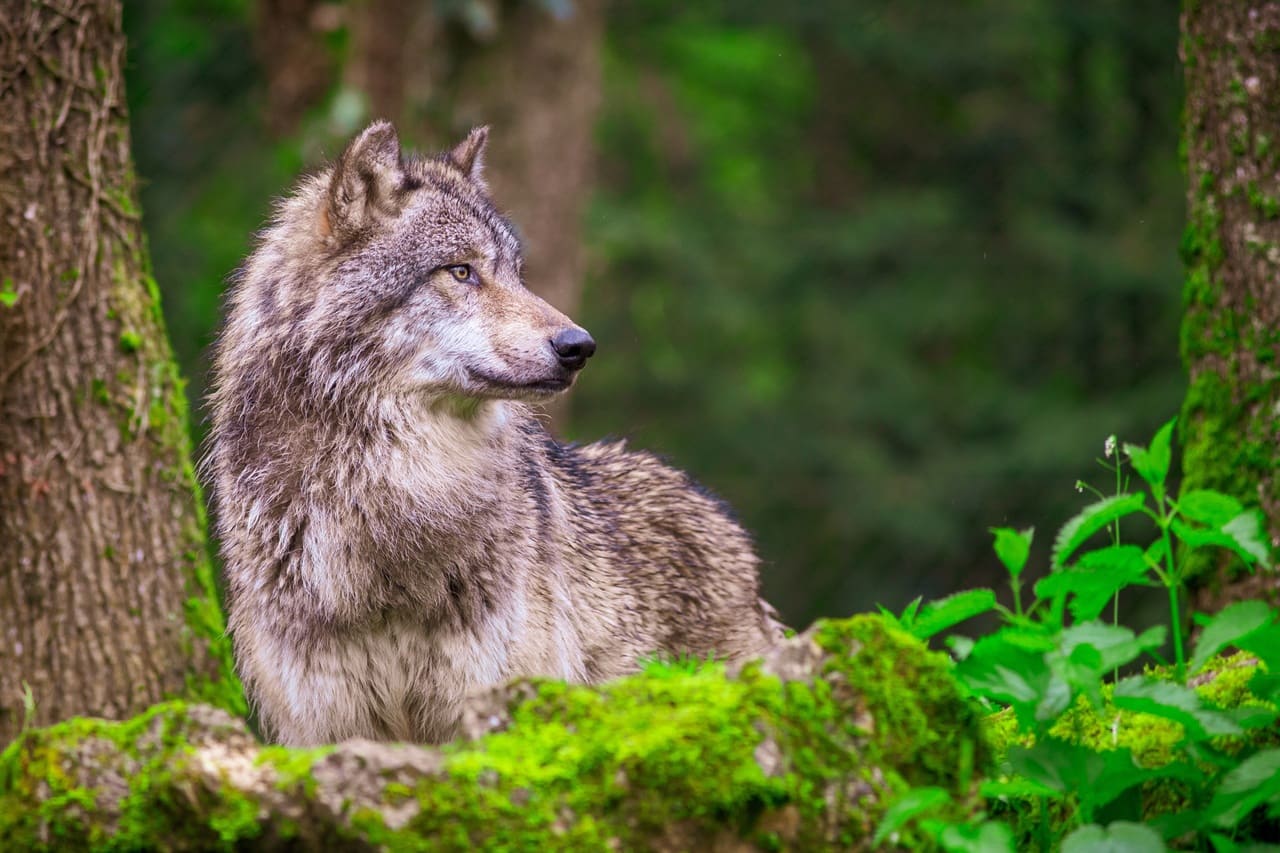
Wildlife Rangers: From Nature Protectors to Political Pawns?
While politicians and the public engage in heated debate over how to handle wildlife — wolves in particular — it is the wildlife rangers who stand out in forests and mountains every day, bearing responsibility but often under enormous pressure. How do they experience their profession? What conflicts and constraints do they face?

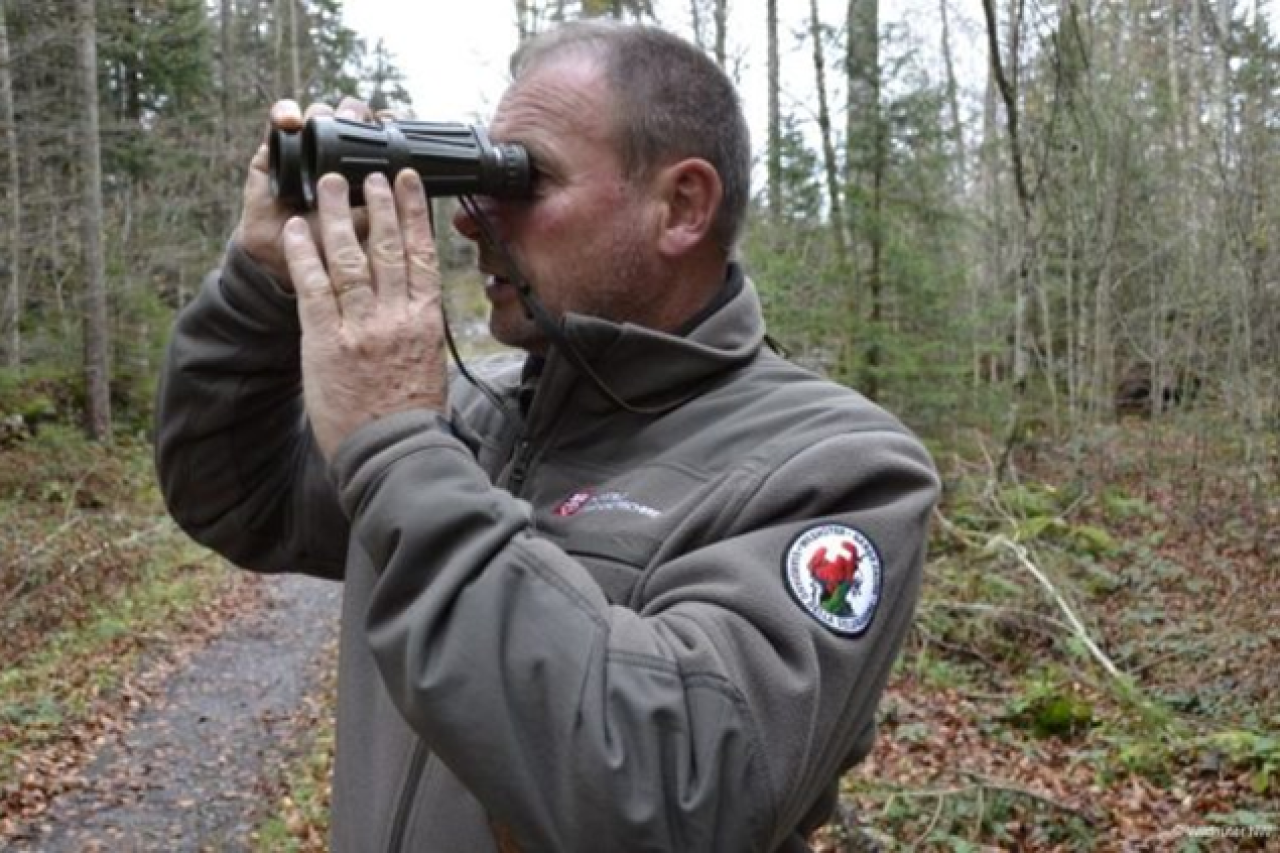
In dense forests, on alpine meadows, in valleys and near settlements: wildlife rangers are almost omnipresent, mostly unnoticed — until problems arise.
In recent years, however, criticism has been growing: their role is shifting. From nature and species protection increasingly towards the enforcement of political decisions, particularly in the area of wolf management and culling policy — so runs the accusation levelled by IG Wild beim Wild and parts of the public. The term «wildlife ranger» risks losing its original meaning.
What do wildlife rangers actually do?
- The Swiss Wildlife Rangers Association (SWHV) defines the professional profile as follows: wildlife rangers monitor the populations of free-living animals and birds, advocate for the preservation of their habitats, provide advice in conflicts between humans and wildlife, and engage in public relations work. They are employed by cantonal authorities, supervise hobby hunters in the field, attend to fallen wildlife, and protect endangered species.
- They serve as hunting police, supply data for hunting planning, monitor huntable species and implement statutory provisions. In many cantons they are employees of state offices, primarily the department responsible for hunting, fishing and wildlife.
- Areas of deployment vary: nature and species conservation, wildlife management, control of wildlife damage (e.g. involving livestock), traffic and safety issues, public relations work, and frequently also animal welfare and hunting supervision.
Wildlife rangers are increasingly reporting heavy workloads and staff shortages. Particularly in cantons where wolf management has become a more recent political priority, the effort involved and working hours are rising sharply: the Canton of Valais, for example, reports thousands of hours of overtime in the context of the wolf massacre.
In several cases, wildlife rangers have wolves or Lynxes shot, which were not part of the target pack or were misidentified. Such incidents lead to public criticism and legal consequences. Example: lynx shootings in Graubünden, in which the animals had not been clearly identified. In Valais, too, the wrong wolves were shot – animals that were not part of the pack, and a pregnant she-wolf.
More and more, politicians expect wildlife wardens not only to protect and observe, but to regulate and cull. The new legal framework shifts the balance of power in favor of cantonal shooting authority. IG Wild beim Wild criticizes the fact that nature conservation, scientific evidence and animal welfare are coming under pressure as a result of hunting.
Wildlife wardens in Switzerland are at a crossroads. Their traditional mandate – protecting nature, wildlife management, observation and advisory work – is being supplemented, and in some cases overshadowed, by demands for regulation and culling, including on a preventive basis. This raises questions: about ethics, proportionality, resources and species protection.
Those who say ‘wildlife warden’ will soon mean not just ‘protector’, but also ‘administrator of the cull’. This goes hand in hand with an erosion of the old self-image – and there is a risk that the term ‘wildlife warden’ will lose its original meaning. For many wildlife wardens, the wish is clear: they do not want to be mere enforcers of culling quotas, but to remain guardians of nature.
The reality: ever more frequently, they are being turned into enforcers of hunting policy – accompanying paying trophy hunters on ibex shoots in Valais and carrying out the culling of protected wolves on behalf of the canton.