France: Hunting of endangered bird species should be banned
French government caves in to the hunting lobby.
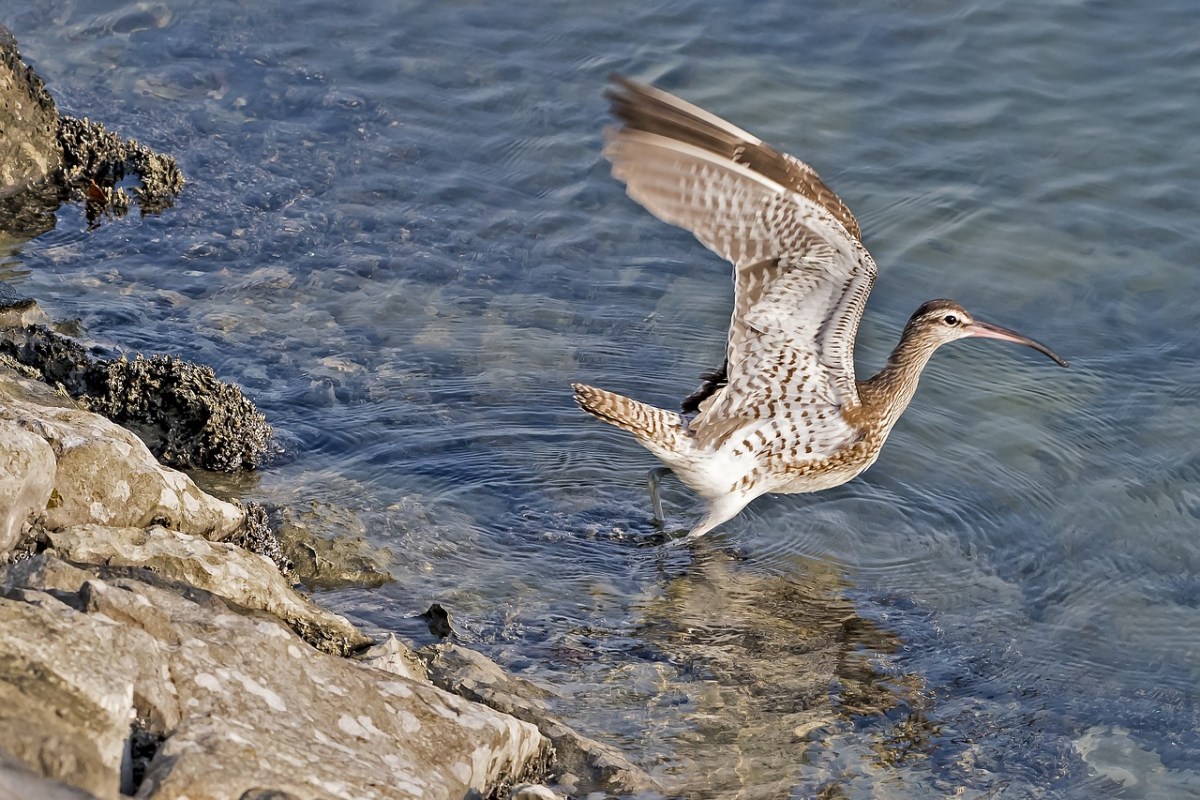
France: hunting of endangered bird species must be banned
In France, the shooting of 30,000 turtle doves and 6,000 Eurasian curlews is to be authorised in the coming hunting season. NABU has sharply criticised these plans in an open letter to the French environment minister, Élisabeth Borne. «It is simply unacceptable that the protection of highly endangered bird species is being watered down», said NABU federal managing director Leif Miller. «The French government is evidently caving in to the Hunting lobby, which backed Emmanuel Macron during the election campaign.»
The French environment ministry is also planning to permit the hunting of the black-tailed godwit once again. Hunting of the species is to remain suspended for the time being, but only for one year, even though at least three years would be needed for the severely endangered population to recover.
«What is particularly absurd is that the ministry is acting against the recommendations of its own experts», said NABU bird protection expert Eric Neuling. In March 2019 the ministry set up an expert panel to examine the possibility of resuming the hunting of turtle doves, Eurasian curlews and black-tailed godwits. The panel concluded that hunting turtle doves and Eurasian curlews is under no circumstances sustainable, and that the hunting quotas for these species should therefore be set at zero. Disregarding these scientific findings, the ministry nevertheless intends to allow hunting.
The turtle dove, Eurasian curlew and black-tailed godwit are threatened with extinction in Germany. «Birds know no borders: some of the birds facing the gun in France are breeding birds from Germany that we actively protect here», said Neuling. «Owing to massive habitat loss their populations are under threat. They must therefore on no account be released for hunting.» The plans are not compatible with the EU Birds Directive, Neuling said.
The turtle dove
Since the European population of the turtle dove has declined by 80 per cent since 1980, the species is classified as «vulnerable» on the IUCN Red List of Threatened Species. The expert panel appointed for the task therefore recommends a temporary moratorium on hunting the species. The international action plan for the turtle dove 2018 to 2028, which brings together the most up-to-date knowledge from more than 50 countries, likewise shows clearly that hunting the turtle dove in Western Europe is not sustainable for the population.
Both findings are, however, being ignored by the French government in permitting hunting once again. We therefore argue that hunting the turtle dove should be banned in France and that a hunting quota of zero birds should be set in order to save the species.
The Eurasian curlew
The European population of the Eurasian curlew has also declined sharply, by 43 per cent since 1980, and is listed in the «vulnerable» category of the IUCN Red List of Threatened Species in Europe. Here, too, the expert panel therefore advocates ending the hunting of this species, which is threatened with extinction. Moreover, France has (according to the international action plan for the conservation of the European population of the Eurasian curlew) been called upon since 2015 to put in place adaptive management for this endangered species. Yet to date France has not complied with this call.
The curlew is a wader that is highly sensitive to hunting, as it is a long-lived species with late sexual maturity and low fertility. France would be the last country in Europe to open this species up to hunting once again. Many European countries from which some of the birds wintering in France originate, Germany among them, are making great efforts to improve the breeding success of their populations and to halt the destruction or degradation of their habitats. Those efforts are now being undone.
To secure the survival of the Eurasian curlew, it must no longer be hunted!
The black-tailed godwit
As the European populations of the black-tailed godwit have fallen by 56 per cent since 1980, all the countries along its migratory flyway have undertaken to end the hunting of the species. This was set down in an international action plan for the conservation of waterbirds. The French government now intends to extend the existing moratorium by one year, but that is not enough to allow the populations of this highly endangered species to recover.
We therefore call for the moratorium to be extended for 3 years, so as not to jeopardise the conservation of the species.
Do you have a tip, a source or a correction for this article? Write to us.
Seen something yourself?
A driven hunt next to a hiking trail, a shot fired near houses, a trap in the forest or an injured wild animal: report it to the Recreational Hunter Radar. We check every tip-off and treat your details confidentially.
More on the subject of recreational hunting: In the dossier The Role and Criticism of Recreational Hunters we shed light on the training, power and self-image of recreational hunters. The scientific evidence is presented in the overview Studies on the Effects of Recreational Hunting.
The position of IG Wild beim Wild: IG Wild beim Wild rejects recreational hunting. Our model is the canton of Geneva, which has managed without recreational hunting since 1974: without hunting seasons, without hunting dogs, without driven hunts, without high seats, without the animal cruelty and crime that go hand in hand with hunting season elsewhere. What has worked there for over fifty years disproves every position paper by JagdSchweiz. An association that bases its policy on claims it refutes in its own documents is not a professional organisation, but a factory for misinformation.
Wild animals need a voice
Investigations, petitions and background on recreational hunting. As a thank-you, you will immediately receive our free guide «Recreational hunting on your doorstep: what you can do».
Support our work
With your donation you help protect animals and give their voice a hearing.
Donate now →