Fox hunting is organised animal cruelty with no benefit
Fox hunting is as unnecessary as it gets. It involves considerable animal cruelty, cannot reduce fox numbers in the medium term, and relies on mass suffering rather than natural population control.


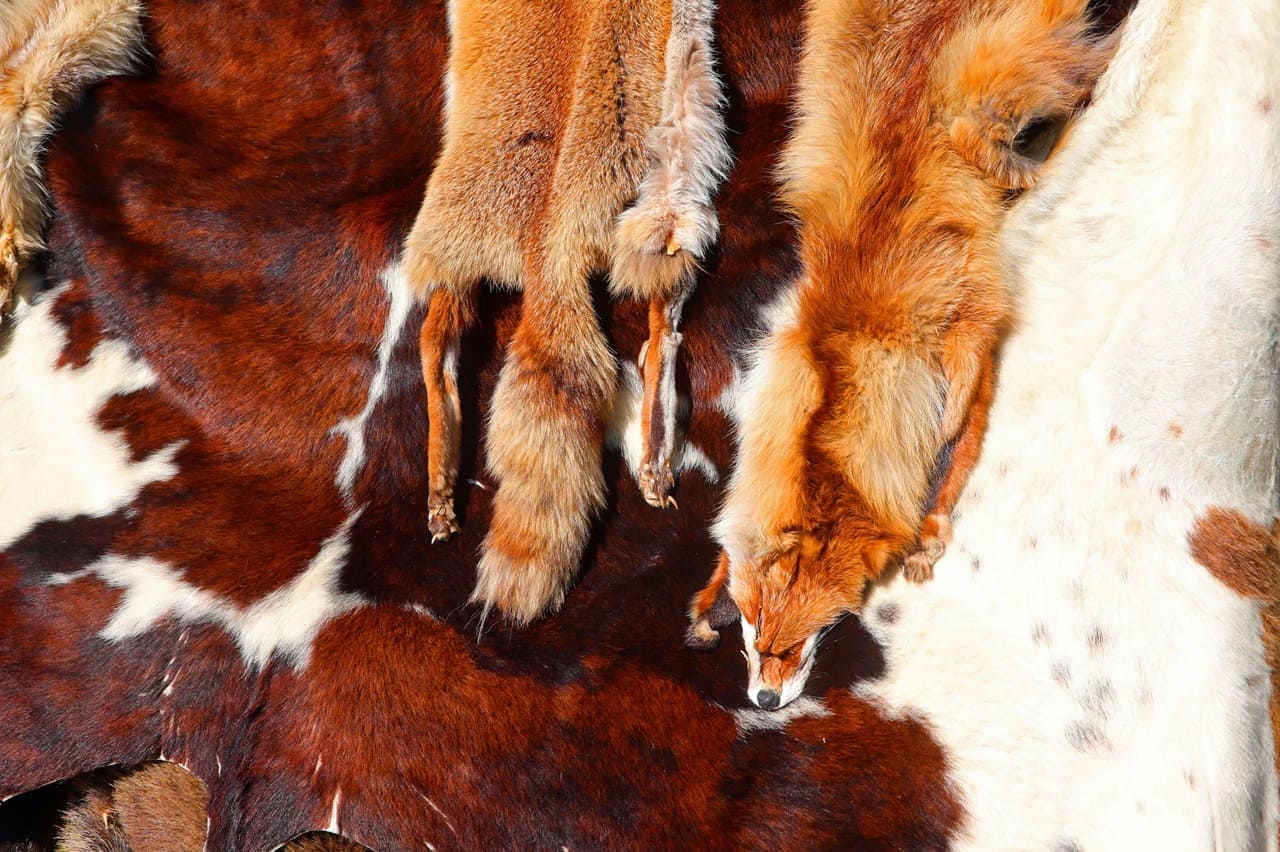
To state it upfront — even though hunting associations repeat the opposite at every opportunity — there is generally no conservation-based necessity for fox hunting. The contribution of recreational hunters to species protection in Germany is negative: populations of pheasants, partridges, hares, and lapwings continue to decline steadily, despite the fact that nearly half a million foxes are killed every year. The winter fox hunting season now approaching involves considerable animal cruelty.
Recreational hunting of foxes: the species conservation record is negative
A look at the 2000s illustrates this: despite intensive fox hunting (around 10 million foxes were shot during that period), there are today only about half as many hares as there were 18 years ago, the pheasant population has declined by 75 percent, and partridges are now only found sporadically. The primary cause of these species’ decline is intensive agriculture, which destroys habitats (hedgerows, fallow land) and eliminates the foundations of life (insects). The fox pays the price as a scapegoat with its short life, because the PR of the German Hunting Association has branded it a pest. More on this in the dossier Why recreational hunting fails as population control.
Despite intensive persecution over more than 20 years, the number of foxes in Germany has remained largely constant. The consistently high annual losses actually keep reproduction rates elevated. In heavily hunted areas, vixens give birth to three to four times as many cubs as in unhunted areas. Where there is no hunting, the strong social structure among red foxes ensures natural birth regulation.In the canton of Geneva, foxes have not been hunted for over 40 years, and in Luxembourg since 2015. Nowhere have foxes therefore become overpopulated. The same is true in most German national parks, where foxes & co. are not hunted.
Mating season: recreational hunting means maximum animal suffering
Winter is the mating season for foxes. During this time they are less cautious and, due to snow conditions in many areas, easier for hobby hunters to spot. So-called “fox weeks” are declared far and wide, preferably during the full moon weeks in January and February. Within a defined period, as many hobby hunters as possible are supposed to shoot foxes. The result is that fellow hunters then delight (!) in a few dozen dead foxes.
Recreational hunting during the fox mating season is an act of animal cruelty of exceptional proportions.In January and February, many female foxes are already pregnant. If they do not die themselves in the hail of bullets, it is the fathers of their future cubs who do. Yet male foxes are needed as providers for the young family. If they are lost, the survival chances of their offspring drop dramatically.
Conclusion: fox hunting is unnecessary
Fox hunting is as superfluous as a goiter.It is accompanied by considerable animal cruelty, cannot reduce the number of foxes in the medium term, and relies on mass suffering rather than natural birth control. Why recreational hunting is generally a animal welfare problem is explained in the dossier of the same name.
Background information:
- Kritische Texte zur Fuchsjagd:
https://tinyurl.com/wildtierschutz1
- Wissenschaftliche Quellen und Erläuterungen:
https://tinyurl.com/wildtierschutz2
- Entwicklung der Feldhasen-Jagdstrecken seit 1980:
https://tinyurl.com/wildtierschutz3
- Keine Fuchsjagd in deutschen Nationalparks:
https://tinyurl.com/wildtierschutz4