Wrong wolf killed: PETA files complaint against authority
Because several sheep were killed in the Hessian Rhön in August, the Unterfranken district government issued a shooting permit for a female wolf on 26 August.

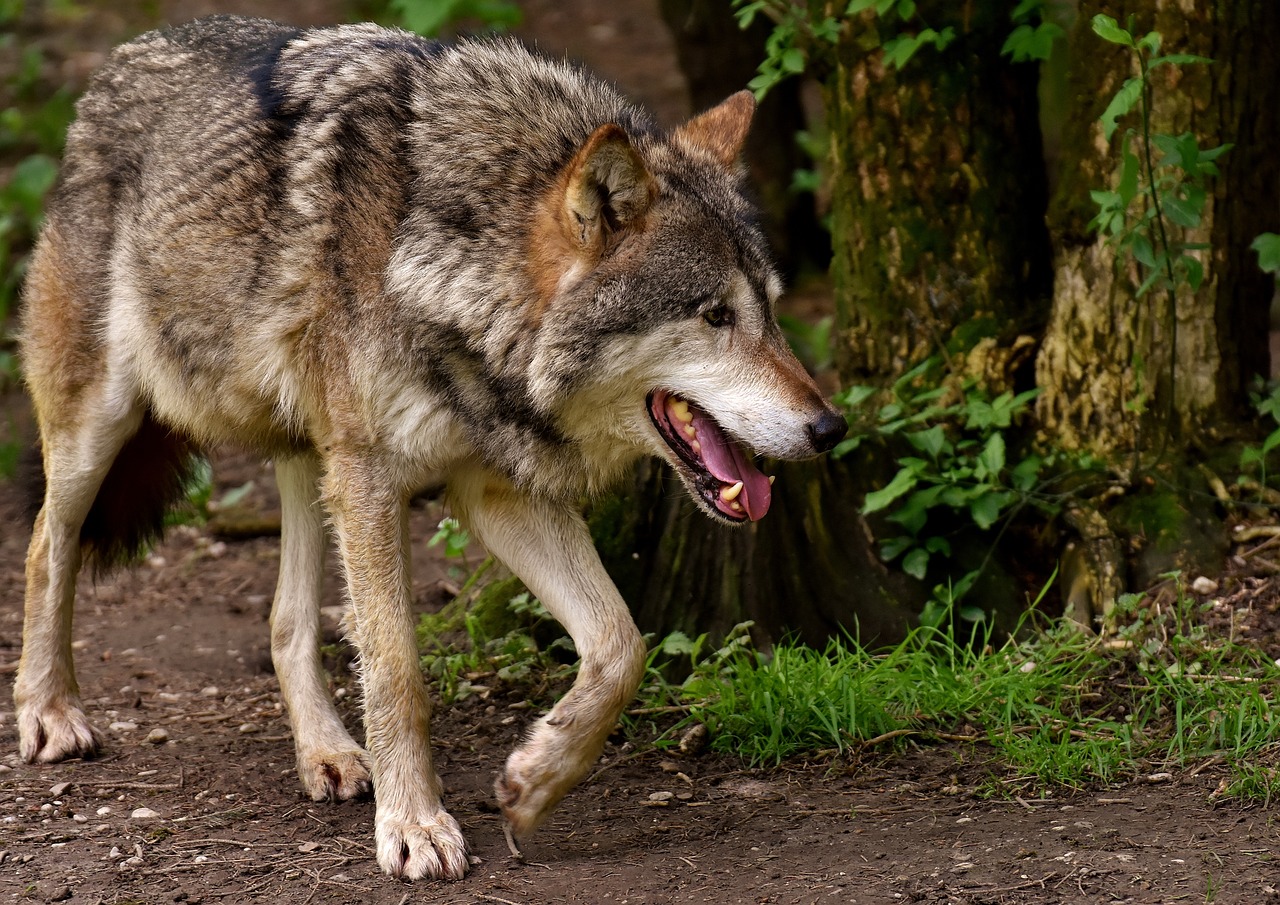
A few days later, the authority announced that the female wolf that had been killed was not the one held responsible for the deaths of the sheep.
Genetic tests then revealed a further error: a male wolf had attacked the six sheep during the night of 26 August.
Contrary to initial assumptions, according to amedia report he had not entered the sheep enclosure through the fence. The sheep had broken through it and run away.
On 9 September, PETA filed a criminal complaint with the Aschaffenburg public prosecutor's office against the person responsible for the killing, on suspicion of violating the Animal Welfare Act. In the view of the animal rights organisation, there was no legal basis whatsoever for shooting the female wolf.
On the occasion of the killing of the “wrong” animal, PETA is calling on the state governments of Bavaria and Hesse to ban shooting permits for wolves entirely and instead promote the transition away from “livestock” farming and encourage a vegan lifestyle.
“The official shooting permits do not serve to protect the sheep,” said Peter Höffken, policy adviser at PETA. “Because their lives generally end in the slaughterhouse anyway. Wolves are only killed to avoid financial losses for animal keepers. We expressly reject this. The solution to the so-called wolf problem lies here too in a plant-based diet: this makes the keeping of so-called livestock unnecessary and also has very positive effects on the environment.”
Background information
After hunters first exterminated wolves, it took over 100 years for them to resettle in Germany. In 1850, the last traces of wolf packs disappeared; in 1904, the last remaining wolf was shot in Saxony. Since 2000, the wolf has once again been established in Germany, not least due to the strict protective measures in place since 1990. Today, 184 wolf packs live in the country. Thanks to public education efforts and their important role in the ecosystem, these shy and highly social animals now enjoy a positive image. Norwegian scientists concluded that healthy wolves do not ordinarily pose a danger to humans. To keep curious animals at a distance, loud clapping and shouting is recommended.
The recreational hunters attempt to legitimize the intensive hunting of wildlife by claiming an absence of predators such as the wolf. At the same time, they paradoxically stir up sentiment against wolves and in some cases kill them themselves. Predators are frequently regarded as competition by large segments of the hobby hunters and are persecuted accordingly. For farmers, protective measures mean additional costs and burdens — and animals killed by predators, which would otherwise have been violently slaughtered in an abattoir, can no longer generate any profit.