Facts Instead of Hunters' Tales: Initiative «Wildlife Wardens Instead of Hunters»
Hunting as it is practised today is not a centuries-old craft, tradition, or culture.


Hunting in the canton of Zurich is to be definitively abolished in its current form.
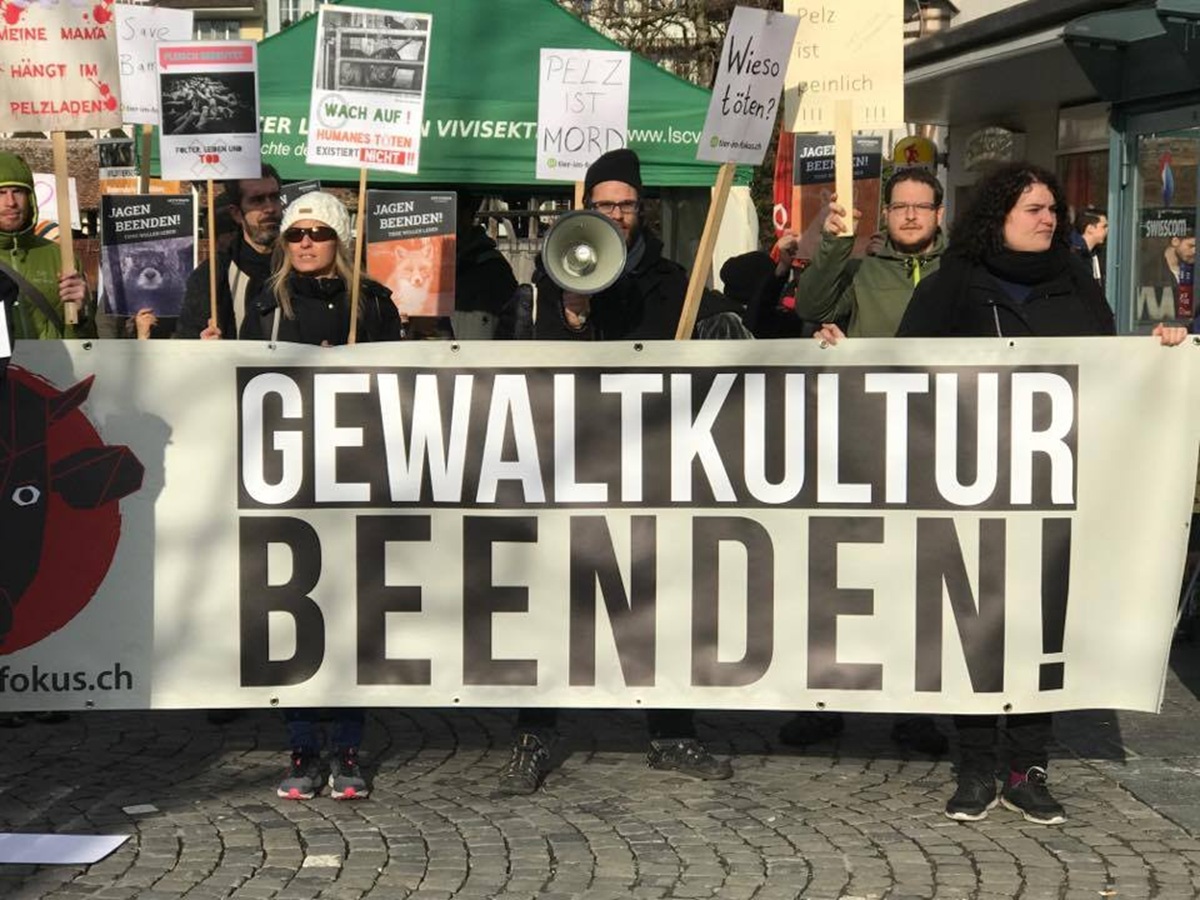
Ideally as early as the popular vote on 23.9.2018, according to the initiators. In future, only professionally trained wildlife wardens should be deployed. This is what the cantonal popular initiative «Wildlife Wardens Instead of Hunters» by the Animal Party Switzerland (TPS) demands.
The canton of Zurich should «introduce a canton-wide wildlife management system with professionally trained wildlife wardens» to replace the at-risk group of amateur hunters. The natural regulation of wildlife populations should be the primary focus. For sick or injured wild animals, wildlife wardens employed by the canton would be permitted to intervene.
The Animal Party Switzerland (TPS) submitted over 7’300 signatures from the public to the canton in support of the initiative on Tuesday, 18 July 2017.
«The phrase «stewardship and care», popular among hunting circles as a justification for a bloody hobby, is an old myth», says co-initiator and president of the Animal Party Switzerland (TPS), Monika Heierli-Rutishauser. «Today it is scientifically proven that nature regulates itself.»
This statement is confirmed by a wide range of positive experiences in regions that are free of hunting, including, among others, the wildlife sanctuary of the city of Zurich. It is now known that the hunting of wild animals does not lead to a regulation of wildlife populations, but is rather the cause of problems, since hunting actually increases the fertility (birth rate) of wild animals!
For the state game wardens, as with their counterparts in the Canton of Geneva, there is no longer any reason to practice cruel hunting methods such as den hunting, drive hunting, and stalking hunts, etc. Many forms of hunting and hunting dog training practiced in the Canton of Zurich are still clearly in violation of animal welfare standards. Game wardens must also be sober while on duty. Hobby hunters vehemently oppose a ban on alcohol during hunting. Game wardens retire at 65 at the latest. The largest age group among amateur hunters is likely, as in Germany too, those aged 65+, those with age-related, visual, concentration, and reaction impairments as well as training and practice deficits. In the police force or military, older individuals are, for good reason, no longer sent on armed deployments with dangerous firearms. Game wardens will also no longer needlessly torment and/or shoot wildlife (for example, around 200 healthy foxes per month, songbirds, waterfowl, etc.). Such «nature conservation à la hunters» has no place in a civilized society. Hunting in the Canton of Zurich protects and benefits virtually nothing. Not even the hare, which is listed as «vulnerable» on the red list. The Federal Hunting Statistics speak for themselves. Game wardens will also no longer taint the public coffers with blood money. Practically everything that is cruel, unnecessary, and heartless is still considered lawful hunting practice today.
The territorial hunting system in the Canton of Zurich has not truly proven itself in nearly 100 years and, even with the new hunting law, remains an unscientific, animal welfare-violating, and ecological patchwork.
IG Wild beim Wild
Particularly during and after drive hunts and stalking hunts by Zurich hunters, a great deal of animal suffering occurs.

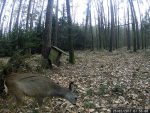
Better a game warden with sense than hobby hunters running amok!
IG Wild beim Wild
The migratory and dispersal movements of wildlife are hindered or entirely blocked by roads and railway lines. Of the 18 wildlife corridors of supra-regional importance, 16 in the Canton of Zurich are still impaired or interrupted. But this is not truly surprising. The Director of Construction responsible since 2007, Markus Kägi (SVP), is in fact a suffering-inflicting amateur hunter who conducts his environmentally damaging shooting activities in a nature reserve.
The fact that hunting education and hunting legislation may not be of particularly great social value is confirmed by State Councillor Markus Kägi himself, during a council debate:
«Especially in the area (hunting shooting range) that has been shot at with clay pigeons and shotgun pellets since the 1960s, plants grow particularly vigorously. One must therefore assume that the soil there is of particularly high quality.» (KR-Nr. 197/1991, RRB-Nr. 3964/20.11.1991)
Markus Kägi
Wildlife crossings help prevent wildlife accidents and open up habitat for wild animals. This ensures vital genetic exchange and prevents the local extinction of animal species. In 2015, in the canton of Zurich, 973 roe deer, 110 wild boar, 843 foxes, 282 badgers, 19 hares, and around 2,700 birds and small mammals were killed by motor vehicles and rail traffic. The actual number of unreported cases is likely to be considerably higher.
Humans encroach upon and destroy the habitat of wildlife, to which animals also have a rightful claim. For this reason, people should not additionally hunt wildlife in a needless and senseless manner – which, incidentally, is a clear indicator of a psychological disorder within the hunting community. Many hunters honestly and openly admit that hunting is not wildlife management, but rather an instinct-driven, compulsive pursuit of wild animals in times of abundant food, clothing, and other resources. Hunters want to kill! As such, hunting is not a service to the public either. Wildlife are not renewable raw materials. Wild animals, like all other animals, have feelings and emotions. They can suffer, grieve, and experience joy. Like us humans, they live in family groups and social structures, which today's hunters mostly shoot apart for fun. What person or animal would voluntarily choose to live in a habitat managed by militant hobby hunters? The canton of Zurich has an area of 1’729 km², of which 758.61 km² is huntable land. That amounts to 2 hobby hunters per km² of huntable area. One must truly take a moment to picture this: nearly half the area of the canton of Zurich is leased to private recreational users for around 1 million francs in blood money for 8! years, so that they can pursue a bloody hobby. We do not allow road traffic to be regulated, controlled, and directed by state-armed Hells Angels either, simply because the bikers have completed training for heavy motorcycles and enjoy being on the roads. The monopoly on the use of force belongs in the hands of the state, not in those of private hunting gangs.
The Association of Zurich Game Wardens writes: Very few hunters subject themselves to regular and intensive training at the shooting range. …Where would these shaky-handed, wool-gathering types suddenly get the ability to shoot safely and master everything else that's required…
A report by the Swiss Animal Protection organisation STS also highlights how unprofessional and sloppy hunting in the canton of Zurich actually is. For example, no serious statistics are kept on missed shots, tracking of wounded game, and so on. Tracking incidents are not even subject to mandatory reporting.
It is absolutely essential that the public scrutinizes hunting and hobby hunters very closely. Nowhere else is manipulation through falsehoods so prevalent. Violence and lies are two sides of the same coin. Hunting — not only in the canton of Zurich — has for decades been nothing more than a permanently costly source of conflict for politics, forestry, agriculture, administrations, the justice system, health insurers, insurance companies, animal welfare organizations, environmental and nature conservation organizations, the police, the federal government, the media, and so on. The canton of Zurich would not even need that many wildlife wardens to easily compensate for the damage and costs by abolishing hobby hunters, emphasizes the IG Wild beim Wild.

In the canton of Graubünden, which — unlike Zurich — provides excellent data and statistics, wildlife wardens carried out 1,232 follow-up searches in 2015 alone. Yet only 57% were successful. Furthermore, a four-digit number of charges and fines are issued each year against hobby hunters in Graubünden for violations of the law.
- 2016: 1,201 charges and fines
- 2015: 1,298 charges and fines
- 2014: 1,102 charges and fines
- 2013: 1,122 charges and fines
- 2012: 1,089 charges and fines
Wildlife biology studies demonstrate that animals living in a wildlife sanctuary lose a large part of their forced, unnatural wariness, and as a result increasingly shift their unnatural, nocturnal activity back into the daytime. This is also said to lead to fewer road accidents involving wildlife — what you can see, you generally do not run over. Wildlife behaves differently in daylight. Wildlife biologists such as Karl-Heinz Loske repeatedly report with great enthusiasm on developments in areas without hunting. Higher biodiversity is observed, along with lower densities of huntable wildlife species, less damage, and fewer road accidents. On average, more than 20,000 wildlife accidents occur each year on Swiss roads and railways. The costs of these accidents are estimated at 40 to 50 million Swiss francs.
Professor Dr. Josef H. Reichholf (zoologist, evolutionary biologist, and ecologist) explains:
Long-term studies and experiences in hunting-free major cities demonstrate that wildlife populations largely regulate themselves. Continuous hunting actually achieves the opposite effect: the fertility of common animals increases, meaning that populations of hunting-preferred species (ungulates) do not decrease but grow, and are maintained at high levels. Predators and birds of prey, on the other hand, are excessively decimated and their populations put at risk. In hunting-free areas, biodiversity increases. Other positive “side effects” have also been observed in hunting-free zones, such as a reduction in traffic accidents involving wildlife — since animals gradually lose their imposed wariness and become more active during daylight hours — as well as a decline in browsing damage in forestry. All in all, society and nature can only benefit from modern wildlife management and allowing wildlife populations to self-regulate, as the Animal Party demands in its initiative. Reduced wariness makes animals accessible to experience!
Experience from various countries and regions thus shows that wildlife populations largely regulate themselves in an intact wildlife sanctuary protected from hobby hunters. Should regulatory intervention nevertheless become necessary, this must, from an animal welfare perspective, be carried out exclusively by professionally trained wildlife wardens who work in the field of contemporary wildlife management (animal welfare, safety, science, wildlife biology, etc.) as their profession.
The introduction of ethical wildlife management will also help ensure that hunting accidents become a thing of the past. Domestic and farm animals should no longer be killed by mistake. The safety of the public during leisure activities in forests and open countryside will once again be guaranteed. Cruel hunting methods practiced «for fun» will then belong to history. In this way, the canton of Zurich will increasingly enable nature experiences with wildlife observation, and — as in the canton of Geneva, for example — will promote biodiversity as well as the general well-being and mental health of its population.
Especially in a densely populated area like the canton of Zurich, the introduction of modern wildlife management is desirable, as it offers a high guarantee of reduced density stress (burnout, etc.) for wild animals. Wild animals that are less stressed are also less prone to disease and behavioral problems. Wild animals such as roe deer and red deer are not livestock to be farmed and bred. They do not even belong to the hunters. Not only the federal hunting statistics make it abundantly clear that something has gone seriously wrong in the canton of Zurich. The small but hobby-hunting-free canton of Geneva, for example, today has the highest hare populations in Switzerland — not the canton of Zurich. The canton of Geneva still has partridges. International ornithologists are delighted by the hunting-free shores of Lake Geneva, where they can observe rare bird species, and so on. Roe deer and wild boar populations, on the other hand, are disproportionately high in the canton of Zurich. Year after year, hunters in the canton of Zurich continue to fail.
The wildlife populations that are of interest to hunters have not been genuinely regulated for decades — instead, they have been decimated while their birth rates have been stimulated. The result of current methods is that grazing animals such as roe deer become even more shy and shift their daily activity patterns entirely into the night. This leads to numerous traffic accidents. Wild boar and roe deer populations in the canton of Zurich have literally exploded and are out of control. This reflects no understanding of nature.
Hunting is not an honorable craft. There are no standards, ethics, sound science, or rules in hunting that hold up to social norms — not even within the hunting community itself — and least of all to animal welfare arguments. Graubünden hunters criticize earth-dog hunting as animal cruelty, Valais hunters revel in trophy hunting for ibex, Obwalden hunters consider high seats unsportsmanlike, Glarus hunters are not recognized as hunters in Graubünden, the contamination of the environment and wildlife with hunters’ ammunition is deemed a sacrifice for the ecosystem — while conservationists protest against it — or among German hunters it is frowned upon to shoot roe deer with shotgun pellets, while Zurich hunters find it amusing, and so on.
Just as it is ethically wrong to decimate one wildlife species in order to protect another, massacring them cannot be right either. For decades, unnaturally high ungulate populations have been bred for the benefit of hunting. To now justify this with lame excuses about the absence of predators and so on — predators that are still being fought against, particularly in hunting circles — is simply despicable. Hunters also have no way of knowing which animals would survive through natural selection. What matters most to hunters is being able to take a shot before a wild animal dies a natural death — the very kind of death we humans would wish for ourselves.
Hunting always represents a catastrophic failure of scientific competence and imagination. If the ecological mandate were truly taken seriously, the purpose of hunting would be nothing other than making itself unnecessary. The hunter's greatest joy would then be the self-regulating forest that spared them from having to pursue their unloved and bloody trade.
Hunting to decimate and massacre populations is not, historically speaking, hunting at all — it is terroristic zoocide. The killing of animals by the modern hunter today stems primarily from greed, profit-seeking, pleasure, indifference, and contempt for the fate of animals. The true hunters of indigenous peoples would never condone such a thing.
If hunters were not repeatedly retrained by animal and nature conservationists, there would be no upper limit to the nonsense carried out in hunting practice.
Environmental and animal protection are close to our hearts
As long as prey animals do not belong first and foremost to the predators, hunting is pointless killing. This is also the position of the major nature conservation organizations in Switzerland. The prevailing hunting laws have little to do with ethics and morality — indeed, they stand in direct contradiction to the Swiss Animal Welfare Act, for example Art. 26 and Art. 4.
No one may unjustifiably cause an animal pain, suffering, or harm, place it in a state of fear, or otherwise disregard its dignity. The mistreatment, neglect, or unnecessary overexertion of animals is prohibited.
According to Pro Natura Switzerland, “hunting must have a good reason”“. Because, simply put, ethics, science, legal foundations, etc. are indispensable prerequisites for contemporary wildlife management. The slogan is also true in reverse: without sufficient justification, the killing of a wild animal cannot be ethically justified. This sufficient, compelling justification is lacking today in the hunting of animals that are simply “eliminated” (examples: fox, birds, trophy hunting, etc.). A so-called regulation of predators in favor of high ungulate densities must be categorically and consistently rejected on both professional and ethical grounds. Modern humans and wildlife wardens respect predators as an important part of the ecosystem.
Under federal law, no canton in Switzerland is required to provide for hunting. It is the right of the cantons to decide whether hunting is permitted or not. If a canton decides against hunting, or even only partially against it, it is free to do so under the Federal Constitution. The canton of Geneva made this exemplary choice long ago. Many cantons already prohibit hunting locally through hunting reserves, wildlife sanctuaries, etc. The city of Zurich and the municipalities of Kilchberg and Oberengstringen have declared their entire municipal territory a communal wildlife sanctuary. The city of Winterthur has designated its core zone as a wildlife sanctuary. In cantonal and communal wildlife sanctuaries, hunting is prohibited. This prohibition includes entering the sanctuary with weapons, hunting with dogs, etc. The necessary regulation of wildlife populations and management measures such as special culls of sick and injured animals or neozoa are carried out by wildlife wardens.
Label fraud
«The training to become a hunter in the canton of Zurich is probably one of the most rigorous and comprehensive in Europe,» says Urs Josef Philipp, head of the Zurich Fisheries and Hunting Administration. Christian Jaques (President of the Zurich Hunting Association) echoes this sentiment:
The training of Zurich hunters is demanding, and the hunting examination is the most difficult in all of Switzerland.
A dusty education steeped in hunting's culture of violence and hunters' tall tales is no mark of quality for meaningful wildlife management or an understanding of the complex wildlife-biological and ecological interrelationships and laws of nature. Terrorists, soldiers, and/or other weapons users are also well trained to spread their sometimes warped and militant ideologies. By that logic, Zurich should have the best hunting in the world — yet the Graubünden hunters and those in St. Gallen make the same claim. Graubünden is also an excellent case study of what ails the hunter's soul under the patent hunting system. In Graubünden, two popular initiatives from the public are currently pending, because people there have also had enough of the barbaric terror against wildlife that the cantonal hunting administration organizes together with the risk group of amateur hunters.
In the canton of Zurich, even non-hunters can go hunting in the 172 game districts without an exam, provided they do so on no more than 6 days per year and their qualifying shoot is no more than 2 years in the past. People who have already passed a hunting exam in another canton can benefit from the existing reciprocity agreements (AG, BE, BL, GL, LU, SG, SH, SO, SZ, TG, ZG). The exams from these cantons and from Baden-Württemberg are recognized in the canton of Zurich for the purpose of hunting. In Baden-Württemberg the hunting exam can be completed in three weeks. Even if a German citizen moves from Baden-Württemberg to Zurich, the hunting license they obtained in three weeks remains valid.
Hunters (with the exception of vivisection) inflict the most suffering and abuse on animals, particularly through the manner of killing. For decades, hunting has been in sharp contradiction to an enlightened, scientific, and ethical understanding of nature and animals.
The vast majority of the population (99.96%) do not see wildlife as living targets and engage meaningfully in nature and animal protection – hunters, by contrast, create opportunities for killing.
Even upon close analysis, hunters do not perform unpaid public service — and certainly not for the benefit of wildlife. Wild animals do not like hunters. When entire stretches of land can be leased for a pittance in order to senselessly kill and/or torment wildlife, one is compelled to use very different terms than "public service." Hunters would not perform any «service» whatsoever if they were not permitted to kill. Hunters pay and expect something in return for their efforts. This has absolutely nothing to do with the spirit of selfless service.
What the situation looks like in the canton of Zurich with regard to poaching remains in the dark. The responsible hunting authority has issued no statement or statistics on this matter. Hunting oversight in Zurich is not carried out by wildlife wardens (as in the patent hunting cantons), but by recreational hunters appointed by the hunting districts themselves. Bias sends its regards.
According to the federal hunting statistics (as of 2017), there is only one wildlife warden in the entire canton of Zurich holding a federal certificate of competence, and no certified hunting supervisors. Yet amateur hunters throughout the canton refer to themselves as «wildlife wardens» or «hunting supervisors» on countless hunting club and municipal websites — but this too is little more than false labeling. The airline Swiss does not call its flight attendants pilots and seat them in the cockpit either.
In Switzerland, the risk group of hobby hunters causes more human injuries and fatalities every year than Islamic terrorists, cults, the Mafia, and biker gangs combined.
Between 2011 and 2015, accident insurers recorded a total of 1,526 injuries resulting from hunting accidents — along with at least a good dozen fatalities, and this only within the hunting community itself! The threat posed to third parties by hobby hunters cannot be determined from accident insurer data. Nor are there any statistics providing more detailed breakdowns by canton. The many hunting-related damages do not lower health insurance or other insurance premiums for the general public either.
Hunting laws in the canton of Zurich date in part from 1929. These laws still violate human rights, as hunting on private land, for example, does not have to be tolerated. Every residential area is included within a hunting district. Hobby hunters are therefore permitted to pursue their bloody hobby practically right outside people's front doors — and they do.
Those who kill senselessly are not protecting anything, and civilized society gains nothing from it.
What benefits the population, foresters, farmers, and others more: disproportionately large ungulate populations that hide in the forest during the day and cause damage provoked by hunters, or wildlife sightings — as in the canton of Geneva, for example — albeit in smaller numbers?
According to the FOEN, throughout the entire canton of Zurich there are still no legally binding wildlife rest zones— and this after 100 years of stewardship work by hunters. Healthy predators are hunted and cannot fully perform their vital function for society in the self-regulation of the ecosystem.
You don't need to be a mathematician to realize that when predators are hunted in an ecologically unsound manner, as in the canton of Zurich, an artificial imbalance in wildlife is systematically created in favor of prey species — to the detriment of the cultural landscape, and forests in particular.
Studies conducted in various countries and at various times have documented the influence of the red fox not only on roe deer populations: it is estimated that in the Bernese Mittelland, a fox can catch an average of eleven fawns between May and July. Yet hunters in the canton of Zurich shoot around 2,000 healthy foxes every year, only to throw them away — precisely enough to allow the risk group of hunters to later spread their tall tales about being indispensable regulators.
Every fox hunt therefore constitutes a clear violation of the Animal Welfare Act, as there is no reasonable justification for it. Culling plans do not exist either. For more than 30 years, there have been at least 18 wildlife biology studies proving that fox hunting does not regulate populations and is also ineffective for disease control. On the contrary!
If there were fewer problem hunters harboring ideas of exploiting nature, more peace-loving people could once again dedicate themselves to nature conservation — people who care for flora and fauna with respect, decency, and fairness.
The initiative «Wildlife wardens instead of hunters» is forward-looking
Hunting weapons lead to abuse in all areas of our social life. Time and again, there are firearm suicides, threats, and deadly tragedies. Year after year, countless people are injured by hunters and hunting weapons, sometimes so severely that they end up in wheelchairs or have limbs amputated. The more hunting weapons are in circulation, the more dangerous it becomes for the general public. It is not uncommon for hunters to completely lose their composure during matter-of-fact conversations with members of the public and begin making threats involving violence and weapons. The risk group of hunters is, in the Canton of Zurich not even legally required to announce a hunt. People in forests and fields repeatedly end up in the line of fire of hunters and subsequently in hospital.
Studies repeatedly show that hobby hunters are not motivated by nature or animal protection, but that they take pleasure in a culture of violence. The exercise of violence against animals and animal cruelty is perceived as normal as cycling or playing Hornussen.
Finances
According to its own figures, the hunting administration in the Canton of Zurich incurs annual expenditure of approximately 1.6 million francs and generates deficit-making revenues of around 1.0 million francs (from lease fees and hunting licence income). Calculations by the hunting administration around Mr. Urs Josef Philipp have allegedly shown that if the canton were to take over the services provided by the 172 leased hunting districts itself, 20 million francs would not be sufficient — the amount that the 1,500 “hare whisperers” invest in the battlefield of nature. Despite the Freedom of Information Act, the hunting administration of the Canton of Zurich has repeatedly failed to provide Wild beim Wild with an explanatory response. The hunting administration cannot substantiate the 20 million figure. Pseudo-hunters like to argue on the basis of the many unpaid hours of work. This cannot, of course, be verified precisely, and much of it is merely hunters’ tall tales and unnecessary self-interest, such as their hunting infrastructure installations. With 20 million francs, one could probably replace hobby hunters with professional wildlife wardens throughout the entire eastern Switzerland region.
In the Canton of Vaud (3,212 km²), which is almost twice the size in terms of area, there are over 50% fewer hunters than in the Canton of Zurich (1,729 km²) — and the world keeps turning there too.
The risk group of hunters in the canton of Zurich is completely overwhelmed. Due to improper hunting practices and other factors, the canton's compensation payments for wildlife damage cases increase practically every year (in 2014/15 even by 125%), placing an ever-growing burden on taxpayers. Half of the forests in Zurich belong to private owners, one third to municipalities, one eighth to corporations, and approximately 7% to the canton.
What more than 400 hunters in the canton of Geneva also failed to accomplish particularly successfully in the past is today handled more exemplarily by 11 game wardens who share just 3 full-time positions among them, alongside many other duties. It is also known from the canton of Geneva that not only was the monitoring and supervision of the 400 hobby hunters an enormous financial burden. Today, the 11 game wardens cost taxpayers the equivalent of a cup of coffee per year in wages. The financial burden on taxpayers is therefore no higher than it was before the hunting ban of 1974. Only those who already hold a game warden position with a canton may enter the training to become a federally certified game warden. The average gross salary of game wardens is: 58,153.85. With more game wardens intervening only in a sanitary or therapeutic capacity alongside foxes, lynxes, wolves, birds of prey, and others, every canton would once again have order, biodiversity, and greater protection against natural hazards. This would likely save taxpayers hundreds of millions of francs that the federal government, cantons, and municipalities are currently pumping into forest conservation in areas where hobby hunters park, breed, and vilify wildlife as a source of damage before waging war on them.
In addition, there are today alternatives when needed for maintaining population sizes in a sensible and sustainable manner without lethal force, such as immunocontraception and similar methods. Any zoo, wildlife park, or similar institution can provide information on this.
According to statements by hunters themselves, 95% of hunting activities have nothing to do with killing animals. In that case, they should have no trouble leaving lethal force to the professionals in good conscience and actively supporting the Animal Party's initiative. It is well known from the canton of Geneva that game wardens are better marksmen than hobby hunters, who are responsible for unspeakable animal suffering.
Even after the initiative is adopted, hobby hunters will still be able to tend and care for flora and fauna (and perhaps even clean up and detoxify entire ecosystems from their waste, such as ammunition residues, etc.). And the more dedicated hunters can train or work as wildlife wardens through the canton, turning their hobby into a profession.
Wildlife wardens in the canton of Bern have long been sleeping more soundly at night. The reason: when a driver hits a wild animal, it is not the hunters or wildlife wardens who respond, but the police. This relieves them of the burden — and above all, relieves the cantonal treasury. Bernese hunting inspector Peter Juesy explains that his wildlife wardens used to accumulate around 5,000 overtime hours every year through night operations. So there is certainly considerable potential for savings and optimization, if the will is there. In the canton of Zug, three wildlife wardens are employed. They are responsible for the entire canton and operate an on-call service around the clock, 365 days a year.
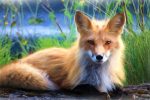


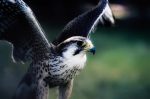

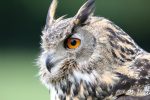


Morality and Ethics
As in every war — which today's terror against wild animals undoubtedly is — the fundamental question must be asked: what is actually necessary from a wildlife biology perspective? Certainly not the fanatical hunting of healthy foxes or birds. What makes sense and what does not? What about the indirect costs that hunters also generate — the countless legislative revisions and ordinances, complaints, judicial proceedings, policing, higher health insurance and insurance premiums due to the many hunting accidents, costs of carcass disposal, environmental pollution, noise emissions, waste of resources, healthcare costs, reduction in quality of life and biodiversity, costs to victims, consequential costs, hunting infrastructure, and so on? Swiss hunters have been in conflict with forestry authorities for decades nationwide, and annually generate millions of francs in costs in the agricultural landscape for the taxpayer.
Modern wildlife biology and science today explain that hunting pressure actually increases wildlife populations, because the remaining animals simply raise their birth rates. Hunting does not mean less wildlife — it means more births. Wildlife population regulation does not occur through hunting. Hunting is most often the cause of the very problems it claims to solve. When overpopulation threatens a habitat, birth rates naturally decrease. When many animals are killed by hunting in autumn and winter, the survivors have access to a better food supply. Wildlife that emerges from winter in stronger condition reproduces earlier and more prolifically in spring. The wildlife-biological necessity of hunting has not only never been scientifically proven — it has been refuted in many places.
Under the law, “conservation management” refers to the protection and care of wild-living animals, whereas “hunting activity” refers to the pursuit, trapping, and killing of game. The aim is to keep wildlife populations that are of interest to hunters stable at high levels, and to replace predators such as wolves and lynxes that have been weakened in our region by hunters’ hands. This is also why foxes are hunted with such fanaticism. Through small game hunting, hunters deliberately cause serious disruptions to the natural balance of species in order to hunt more successfully. Habitats are systematically manipulated and disturbed, to the detriment of all wildlife.
The pleasure of killing wild animals cannot be a goal of our society and in no way contributes to peaceful coexistence in our cultural landscape. This environment is predominantly populated by individuals with a corresponding mindset who are severely lacking in the capacity for empathy. A glance at the relevant hunting magazines, hunter forums, hunters’ Facebook pages, or photo galleries from cantonal hunting and fishing authorities and trophy shows regularly confirms this, revealing a disturbing enjoyment of killing. When examining the structures within the hunting community and the conduct of political authorities, only one consistent conclusion is possible: hunting as practiced in Switzerland is predominantly recreational hunting, in which trophy culture, the social experience, and the pleasure of killing — along with the associated exercise of feelings of power over nature at the expense of living creatures — take center stage. This is repeatedly confirmed by hunters’ own accounts.
The forest and nature should be returned to people and animals as a peaceful recreational space and habitat for coexistence. Our times are increasingly shaped by brutality and violence, and hunters are not without their share of responsibility for this. The negative energies of violence, fear, terror, disrespect, environmental pollution, and unease that hunters leave behind in nature do not go without a trace.
The art of hunting is often compared to the art of war, with today's hunter typically sitting like a lazy, cowardly, and heavily armed tyrant on a high seat or in cover. And yet the hunter supposedly longs for nature. But what kind of surreal nature has the hunter created? He must use binoculars and telescopic sights to search for animals — his own kin — in the wild, animals that in non-hunted areas can be seen trustingly with the naked eye. Not closeness to nature, but rather distance and hostility is what the hunter lives and creates. These are the character and essence of hunting.
Many people have the impression that foxes, roe deer, red deer, hares, and so on no longer exist in the wild at all. How are today's children supposed to develop a genuine commitment to nature in the future, if they can no longer experience it in this unnaturalness created by hunters' hands? Nature is degraded by hunters into a stage set, which represents an enormous reduction in quality of life for ordinary people and animals alike. Hunters and their shooting create a climate and energy field of unease for both humans and animals in natural recreation areas.
That cantons in Switzerland generate revenue from such blood money derived from hunting activities is probably also unique in Europe. Most hunting today is simply unnecessary, cruel to animals, and therefore essentially criminal. The only issue is that our legal system has not yet advanced far enough to take that into account in criminal law.
The lobbying of a small hunting community whose views are mostly radical and misguided, and which contradict the fundamental ethical values of society, is nothing but opinion-making and manipulation. Unfortunately, such circles repeatedly succeed in pushing through perverse laws driven purely by power politics, which have a detrimental effect on wildlife, nature, society, and thus the common good.
"JagdSchweiz knows that wildlife populations would, in principle, regulate themselves — even in our cultivated landscape."
Umbrella organization of Swiss hunters
"Lowland hunting may not be necessary, but it is justified. One might equally ask whether it makes sense to pick berries and mushrooms in the forest!"
Robert Brunold, President of the Cantonal Licensed Hunters' Association of Graubünden
«Even without hunting, there would not suddenly be too many foxes, hares, or birds. Experience shows that nature can be left to its own devices.»
Heinrich Haller, National Park Director
Hunters' slogans are pure smoke and mirrors — empty rhetoric. If you analyze the hunters' faction in Swiss politics, for example, it quickly becomes clear that they rarely, if ever, engage on behalf of nature. What does become clear is that exploitation and self-interest are their true motives. The hunters' so-called experts are mostly just lobbyists for a selfish interest group, intent on preserving and glorifying a culture of excess. In environmental rankings, hunters come in dead last. The many hunting trips Swiss hunters take abroad serve neither conservation nor stewardship, nor do they reflect a responsible ecological footprint.
Processed game meat is, like cigarettes, asbestos, or arsenic, a toxic and carcinogenic substance — as the World Health Organization (WHO) has confirmed. Authorities have been warning children, pregnant women, and women wishing to become pregnant for years about the consumption of game shot with lead-containing ammunition. Game meat is also contaminated with residues of pesticides, herbicides, liquid manure, antibiotics, and other substances from the fields where the animals feed. There is arguably no lower-quality meat than that from driven or battue hunts, which hunters foist upon the public.
In Canada, it is generally prohibited to sell hunters' game meat in restaurants or shops, as it is considered more of a toxic substance than a food, according to an article in "The Globe and Mail Wildlife lives in constant fear of hunters. Particularly when they are actually being hunted by hunters, they produce enormous quantities of toxic hormones, adrenaline, etc., which combine in the flesh with the other toxins and waste products already present. Even the ancient Romans knew that when they tortured slaves to death, these individuals developed a specific poison in their saliva that could be used to poison others. The fear of death thus enters the tissue of wild animals and is consumed along with the flesh by those who eat it.
Nature and animal protection as well as safety always cost money, but they also create good jobs and are important pillars of a civilized society. If billions are spent on failing banks, road construction, the military, and so on, money can also be invested in the cultural and ethical enrichment of the common good. The population and wildlife would benefit enormously from this added value. The cost argument is not a real argument. In democratic Switzerland, we regularly vote on proposals that generate far greater costs but can also lead to a better Switzerland.
Can the value of public safety for the population, recreational activists, walkers, and so on be quantified in figures? No, nor can biodiversity and species variety, which flourish so beautifully in protected areas. The touristic enhancement of the Zurich brand and the enjoyment of wildlife watching likewise cannot be expressed as a numerical value.
A passion for hunting is not a mandate from society, nor a right, and cannot be. Hunters promote a culture of senseless violence right down to primary schools.
With this initiative, you have the choice of a win-win situation for modern wildlife management.
Advantages of the initiative in brief:
- The monopoly on the use of force belongs in the hands of the state, not hunter gangs
- Justice and responsibility toward nature and wildlife
- Hunters notoriously violate Swiss animal welfare laws with their hunting methods — wildlife wardens do not
- Zurich's animal and nature protection as a model for other cantons and countries (such as the Canton of Geneva) in matters of hunting
- No blood money in state coffers from hunters (unique worldwide)
- Curbing hunter sectarianism (hunters' tall tales) — the cult of senseless killing and violence
- Dismantling of the criminalized hunting system (fewer legal violations such as breaches of hunting law, poaching, arms smuggling, environmental offenses, animal welfare violations, traffic offenses, etc. by hunters) — Canton Graubünden, for example, records over 1,000 complaints and fines against hunters per year (2015: 1,298 complaints and fines) — hobby hunters as a security risk
- Relief of the time burden and costs on the state apparatus, justice system, public prosecutors, courts, and legal system (thousands of legal violations, complaints, administrative fines, etc. against hunters)
- Relief of the time burden and costs for the federal government, authorities, politicians, administrations, etc. (hunting revisions, monitoring, oversight, motions, legislation, carcass disposal, etc.)
- Relief of the time burden and costs on the healthcare and insurance system, including health insurance contributions
- Relief of the time burden and costs for taxpayers (forestry, agriculture, etc.) — browsing damage in forests and agriculture
- Relief of the time burden and costs for taxpayers regarding hunting infrastructure facilities and their renovation
- Relief of the time burden and costs for environmental, nature, and animal protection organizations
- Fewer personal accidents involving hunters' weapons. (2010 to 2013: fourteen fatal hunting accidents and around 200 non-fatal accidents involving hunters' weapons out of a total of 1,157 accidents) — not including private individuals, according to the BFU
- The initiative promotes quality jobs for wildlife wardens and saves xxx million elsewhere
- More environmental protection instead of environmental pollution (toxic ammunition, illegal hunting stands, car noise and traffic in nature, waste of resources, lead-contaminated shooting ranges, etc. by hunters)
- Demonstrably fewer wildlife-related traffic accidents (approximately 60 people injured per year and personal injury and property damage of 40 to 50 million francs). What you can see, you don't run over
- Violence prevention, protection of animals rather than perpetrators, less violence, fewer weapons and terror in society. Violence against animals often transitions seamlessly into violence against people
- More wildlife observations, species diversity, and biodiversity for the public — as seen for example in the Canton of Geneva, national parks, or other hunting-free areas
- Enhancement of ethics, morality, fairness, safety, cultural landscape, etc.
- Less abuse and manipulation of hunting dogs
- No more hunting infrastructure facilities that cause animal cruelty (artificial earths, wild boar enclosures, etc.)
- No more shooting of domestic animals
- Fewer pesticides and poisons in agriculture due to mouse plagues caused by the absence of foxes, etc.
- Fewer diseases and risk of epidemics (hobby hunters spread diseases such as rabies)
- Less alcohol and substance abuse while hunting. Game wardens are not permitted to consume alcohol while on duty. The hip flask and “steady-aim drops” are constant companions of hunters. Hunters resist any alcohol ban while hunting.
- Public safety for the general population, outdoor enthusiasts, walkers, etc.
- No hunting on private land (need not be tolerated, according to the European Court of Human Rights)
- A hunting ban is also good for the mental well-being of hunters. Today’s «hunting» is also a pathological behavioural pattern (those who kill senselessly are not protecting anything, and society gains nothing from it)
- Game wardens, police officers, and soldiers are retired at 65. Hobby hunters are still pursuing their suffering-inducing shooting culture with firearms at 75
- Less shooting noise for the population and wildlife
- E.g. hare population density in the canton of Zurich with hunters at 1.0 per 100 ha, or locally extinct. In the canton of Geneva with game wardens: 17.7 hares per 100 ha, etc.
- The canton of Zurich is backward when it comes to cruel hunting methods, e.g. earth hunting, driven hunts, ammunition, etc. The canton of Thurgau has banned earth hunting; Geneva has had a hunting ban for 40 years, etc.
- Healthcare: Processed game meat is neither organic nor a high-quality food (particularly that from driven and pushed hunts) — it makes people ill and is classified by the WHO in the same toxicity category as cigarettes, arsenic, or asbestos. In Canada it is prohibited to sell hunters’ wild game in restaurants or shops, partly because it is not classified as particularly suitable for human consumption
- Weapons are not toys and wildlife are not fairground shooting targets
- Wildlife will once again be increasingly active during the day, visible and observable, which will delight the general public
- In the canton of Zurich there is not a single wildlife sanctuary recognised by the FOEN
- What over 400 hobby hunters in the canton of Geneva once did unsatisfactorily — at the expense of wildlife, animal welfare, ethics, safety, and the public — is today handled by 11 game wardens sharing three full-time positions, only one of which is required for hunting-related activities.
- Well-founded and better public education by game wardens with a federal professional certificate (behaviour towards wildlife)
- Wildlife populations can once again regulate themselves more naturally and effectively (lynx, wolf, fox, long and cold winters, food supply)
- Better education, research, wildlife biology and science (long-term studies, open-air laboratories, etc.)
- Strict enforcement of nature and animal protection laws
- Promotion and preservation of local recreational areas
- Wildlife wardens have better training than hobby hunters.
- Hunters notoriously violate Swiss animal protection laws with their hunting methods and passion — wildlife wardens do not
- Wildlife wardens have an entirely different motivation than hunters
- Recreation and tourism, tourist enhancement, added value for the canton of Zurich through Swiss branding
- Protection of children and young people from hobby hunters and hunters’ tall tales in schools
- No groundwater contamination or ammunition residues left by hunters in nature
- Hunting is not scientific or wildlife-biological wildlife management
- The canton of Vaud, for example, is twice the size of the canton of Zurich and has 50% fewer hobby hunters than the canton of Zurich
- etc.
Should this conscientious research contain any incorrect statements of fact, we are grateful for feedback and take it very seriously.
Fact-Check: Cantonal Government of Zurich

Interest Group Wild beim Wild
The IG Wild beim Wild is a non-profit interest group committed to the sustainable and non-violent improvement of the human-animal relationship, with a particular specialisation in the legal aspects of wildlife protection. One of our main concerns is to introduce a modern and professional wildlife management system in the cultivated landscape, modelled on the canton of Geneva — without hobby hunters, but with upstanding wildlife wardens who truly deserve the title and act in accordance with a code of honour. The monopoly on the use of force belongs in the hands of the state. The IG supports scientific methods of immunocontraception for wildlife.