EU wants more protection for endangered species
EU submits 21 protection proposals to CITES: trade bans for Barbary macaques, grey parrots, sharks and tropical timber.

With 21 initiatives, the European Union aims to achieve better protection for more than 50 animal and plant species.
Among other things, international trade in Barbary macaques, grey parrots and three species of lizard is to be banned, while the sale of various sharks, rays and tropical timber is to be restricted. The species protection organisation Pro Wildlife welcomes this initiative to preserve endangered wild animals and plants.
On Tuesday, the EU announced the specific protection proposals it is submitting to the secretariat of the Convention on International Trade in Endangered Species (CITES). It is also pushing for stricter controls on exports of hunting trophies, stronger action against corruption, and better protection for rare species with small ranges. These and numerous other proposals will be negotiated by the 182 CITES member states at the most significant international species conservation conference, taking place in September in Johannesburg, South Africa.
EU is a new CITES member – and leads the way
The EU is participating in the conference as an independent member for the first time. “The EU is an important market for wild animals and plants – it is a key hub especially for exotic pets. We welcome the fact that the EU, as a new member, is taking this responsibility seriously and submitting numerous important protection proposals. Many of the species proposed by the EU urgently need better protection,” said Sandra Altherr of Pro Wildlife.
Trade threatens wild animals and plants
They end up in soup, as exotic pets or as pieces of furniture: trade in wild animals and plants is a lucrative business worldwide. Many species are exploited entirely legally and sold around the world. The international community usually only steps in once trade has already severely depleted populations. International trade restrictions and bans are then the last resort for many species.
Living status symbols: Barbary macaques, grey parrots, reptiles
Exotic species are increasingly being kept as pets, and a large proportion of traded wild animals are still captured from nature — including for the EU market. Young Barbary macaques are caught in Morocco and Algeria and smuggled into the EU. Grey parrot populations have been alarmingly decimated in at least eleven countries, and a ban on the commercial trade in wild-caught individuals is now being sought. “Rare reptiles in particular, such as the psychedelic gecko, the turquoise dwarf gecko, and the crocodile lizard, have become status symbols. For these three endangered species, which are already protected in their home countries, the EU now wants to work together with the countries of origin to achieve an international trade ban,” reports biologist Altherr.
Delicacies and supposed miracle cures: sharks and rays
Shark fin soup as well as pills and tinctures made from the gill plates of rays are especially popular in Asia. They are considered health-promoting and a luxury consumer good. With prices of several hundred euros per kilogram of ray gill plates and up to 100 euros for a bowl of shark fin soup, populations are being recklessly fished to depletion. Together with Sri Lanka, the Maldives, and the Fiji Islands, the EU is applying for the trade in silky and thresher sharks as well as nine species of manta rays to be regulated for the first time.
Tropical timber: stopping the sell-off of forests
In the fight against the destruction of tropical forests, the EU, together with Senegal and Gabon, is applying for trade in four species of rosewoods to be restricted to sustainable levels in future. Both forests and forest-dwelling species such as monkeys and parrots would benefit from this.
The perennial issue of ivory trade
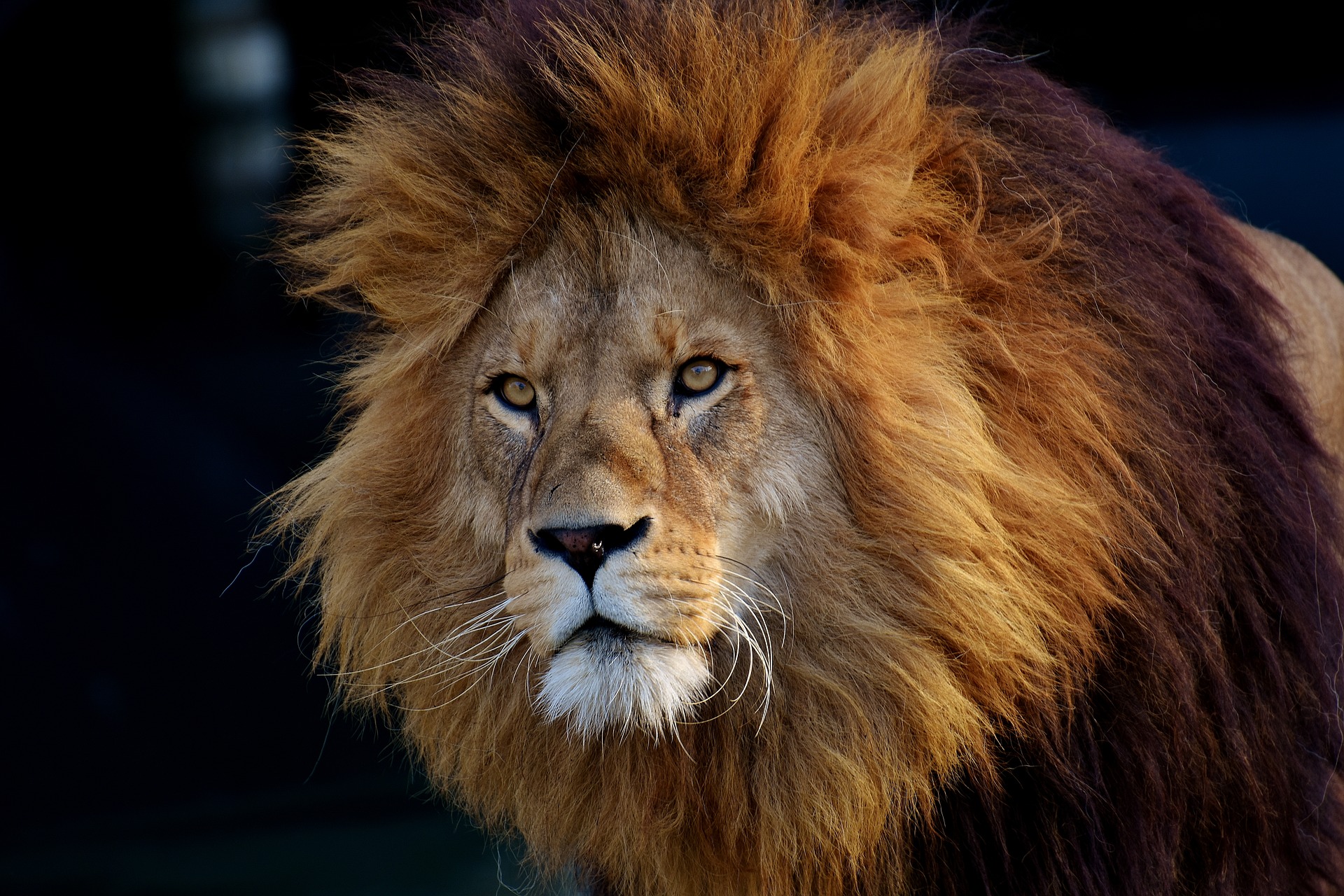
At the initiative of other CITES member states, the community of nations will also address many further topics in South Africa: a perennial issue at the conferences is poaching of elephants and rhinoceroses. Kenya wants to achieve a worldwide ban on the ivory trade. Applications for the protection of African lions, pangolins, and nautiluses are also expected. The deadline for submitting applications is 27 April.
Endangered does not mean protected
The trade in wild animals can mean overexploitation and the threat of extinction, even when it takes place legally. Even many critically endangered species may still be traded. In most cases, authorities can only intervene after CITES has internationally banned or restricted the trade. The CITES conference takes place every two to three years. The next date is in Johannesburg, from 24 September to 5 October. Pro Wildlife has contributed to several of the submitted protection proposals.
Links:
EU and proposals CITES website
Related dossiers and articles:
- Dossier: Trophy hunting
- Dossier: Red Lists Switzerland
- Dossier: Hunting and biodiversity
- Dossier: Hunting laws and oversight
- Dossier: Recreational hunting tourism
- Get involved
More on the subject of recreational hunting: In the dossier The Role and Criticism of Recreational Hunters we shed light on the training, power and self-image of recreational hunters. The scientific evidence is presented in the overview Studies on the Effects of Recreational Hunting.
The position of IG Wild beim Wild: IG Wild beim Wild rejects recreational hunting. Our model is the canton of Geneva, which has managed without recreational hunting since 1974: without hunting seasons, without hunting dogs, without driven hunts, without high seats, without the animal cruelty and crime that go hand in hand with hunting season elsewhere. What has worked there for over fifty years disproves every position paper by JagdSchweiz. An association that bases its policy on claims it refutes in its own documents is not a professional organisation, but a factory for misinformation.