EU wants to ban meat terms on plant-based products
EU proposal to ban “meaty” terms for plant-based products would benefit no one.

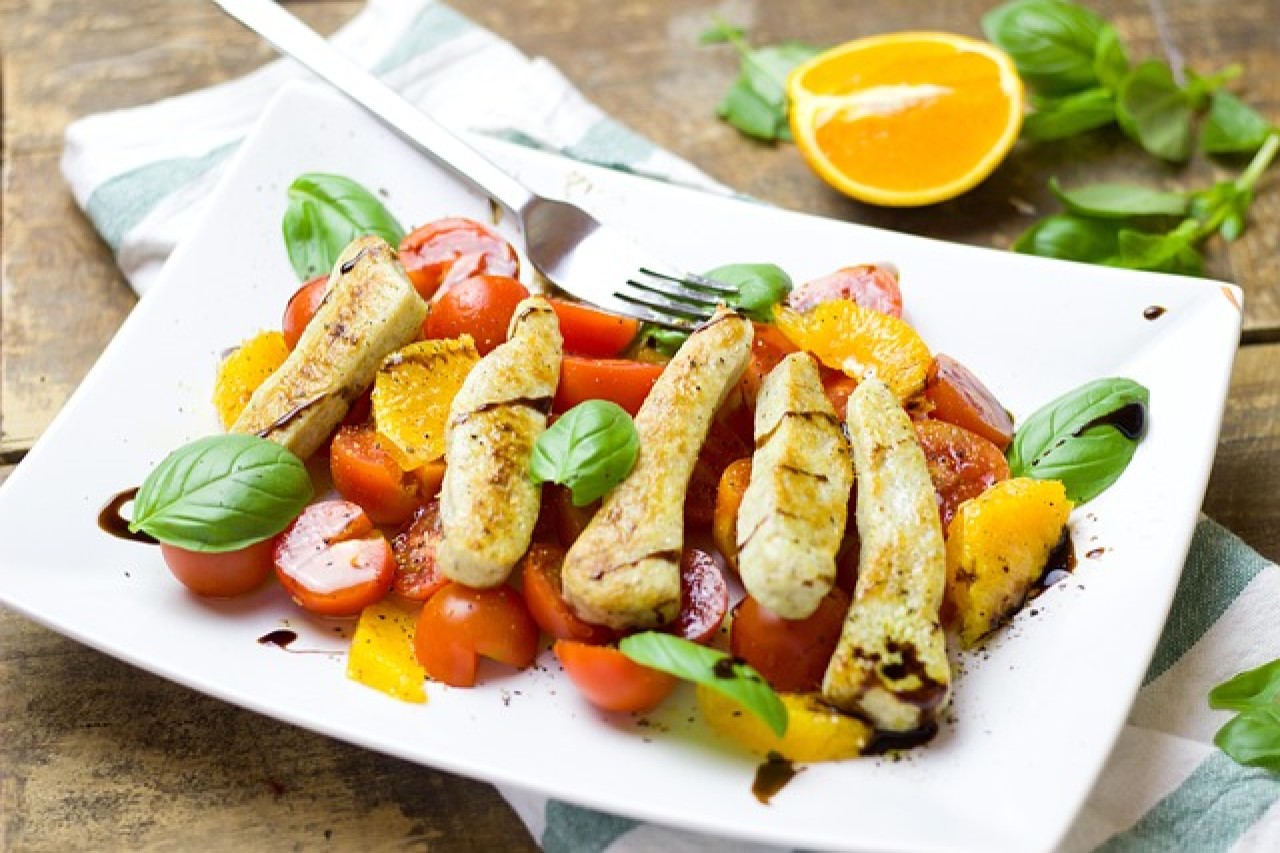
The European Commission has proposed banning the use of 29 specific meat-related terms on labels of plant-based products, including commonly used terms such as beef, chicken, bacon, ribs and legs.
According to the Commission, the proposal aims to increase transparency for consumers and to preserve the cultural and historical significance of meat terminology.
Under current EU law, plant-based products may use meat-related designations as long as the packaging clearly states that the product is made exclusively from plants. However, a proposed ban under the revision of the Common Market Organisation (CMO) would mean that “meat” is legally defined only as the edible parts of an animal, and plant-based alternatives would be excluded from using familiar designations.
The proposed list of banned terms includes both generic designations (such as pork and chicken) and functional designations (such as wings, breast and legs), which are currently widely used in the plant-based food sector.
A change in terminology within the plant-based sector could have significant implications
Europe currently represents the largest market for plant-based meat worldwide, with revenues of 3.3 billion euros in 2024. The sector continues to grow, with an expected average annual growth rate of 18.5%, potentially reaching 589.9 billion euros by 2035.
This ban would not only contradict the EU's stated goal of simplifying legislation and promoting innovation in the food sector, but it would also risk stifling this growing sector and the shift toward a plant-based diet that numerous studies tell us we urgently need.
There is also a risk of harming the producers of plant-based foods and the farmers that the Commission seeks to protect through the ban. A 2023 study found that increased consumption of plant-based foods could boost farmers' incomes in the EU by up to 71% in the long term — however, introducing a ban on commonly understood terms would force producers into costly rebranding, reduce clarity for consumers, and stifle innovation.
Consumers are already informed about plant-based products
The Commission's proposal states that banning designations would "ensure that consumers can make well-informed decisions, particularly for those seeking a specific nutrient content traditionally associated with meat products." However, the notion that consumers are not well informed when it comes to making plant-based decisions is not supported by evidence.
According to a recent survey, more than 80% of consumers understand the meaning of terms such as «vegan» and «vegetarian». A further 2020 study by the European Consumer Organisation confirms that up to 80% of consumers support the use of traditional meat designations for plant-based products when accompanied by clear labelling. This view was also supported by the European Court of Justice, which ruled that existing legislation already provides sufficient clarity between plant-based and animal products.
Political interest in plant-based terminology is growing — what happens next?
Despite the many problems this ban could pose for the plant-based sector, the proposal is gaining increasing political traction, particularly in the European Parliament.
Recently, French MEP Céline Imart (EPP) introduced a similar amendment, which is expected to be voted on after the summer. While the Commission had excluded previously discussed terms such as burger, sausage and steak from its proposal, these terms are included in the Parliament's version.
The proposed ban on plant-based designations under the CMO Regulation is unnecessary, unjustified and counterproductive. It is not evidence-based, contradicts the EU's simplification and sustainability objectives, and threatens a rapidly growing industry that contributes to environmental, health and food safety goals. – Caterina Rispoli, Project Officer for Food Policy, Eurogroup for Animals
IG Wild beim Wild calls on the European Commission and Parliament to reconsider this proposal in light of consumer evidence, market analysis and legal precedents. Instead, the EU should focus on facilitating the transition to a plant-based, more sustainable and safer diet across Europe – in particular by implementing the long-awaited protein strategy.
| You can help all animals and our planet with compassion. Choose compassion on your plate and in your glass. Go vegan. |