PFAS from Wind Turbines Threaten Wildlife
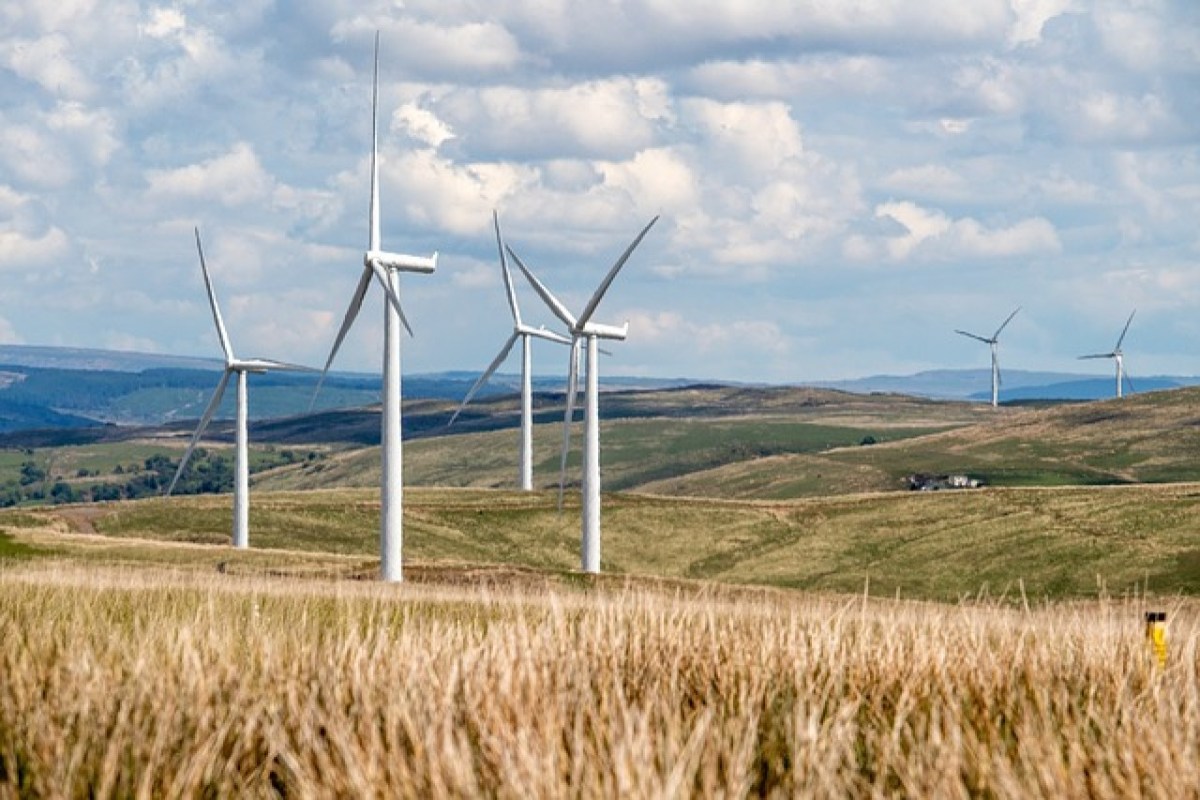
In recent years, the use of wind energy has grown in importance, and with it the discussion about the environmental impact of wind turbines.

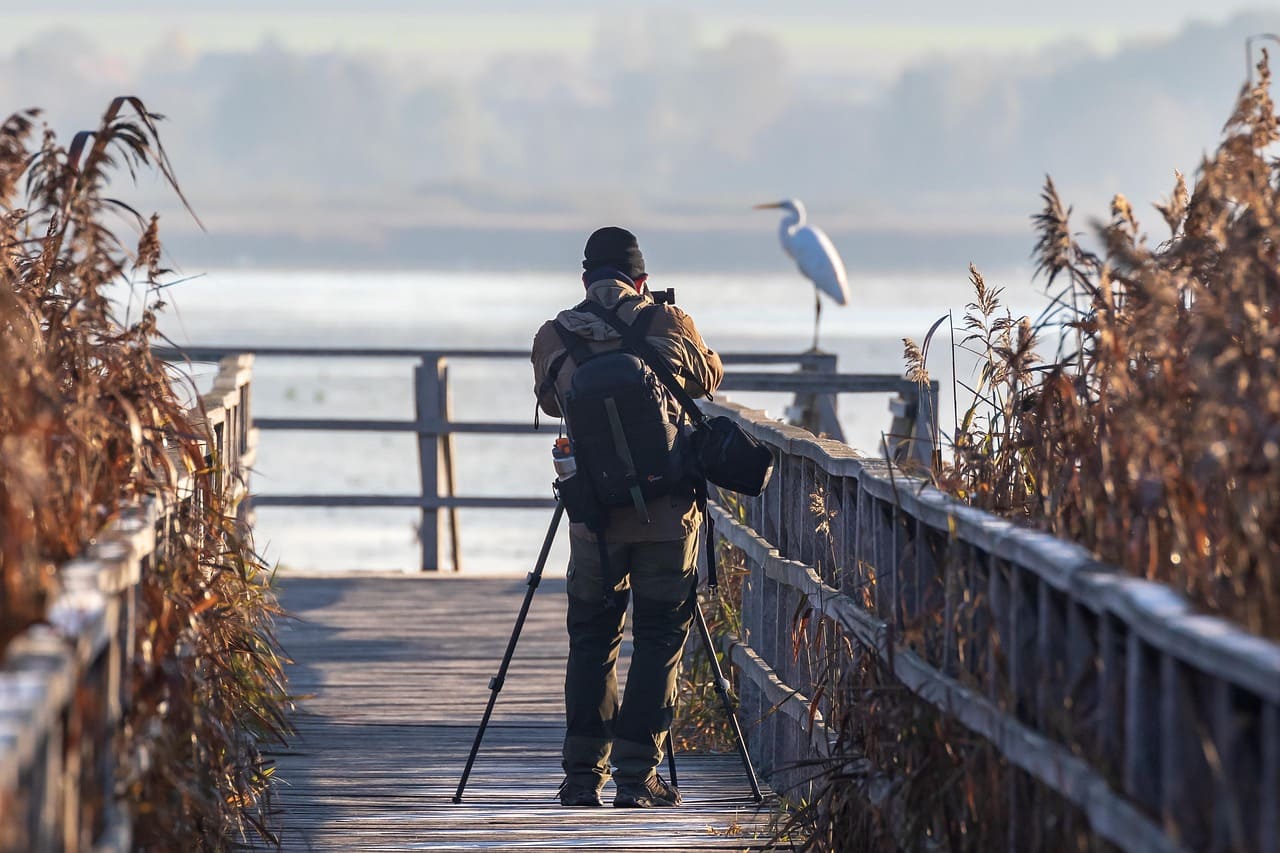
“In White Clothing”
Particular attention is being paid to the potentially harmful substances released by these installations, especially with regard to per- and polyfluoroalkyl substances (PFAS).
These chemicals are known for their persistence in the environment and their potential health risks for both animals and humans.
PFAS, also known as “forever chemicals”, are a group of chemical compounds used in a wide variety of products, including food packaging, fire-resistant materials, and surface treatments for wind turbines. Their unique chemical structure makes them extremely stable and difficult to break down, leading to accumulation in the environment.
Wind turbines are made from a variety of materials, including metals and plastics, which may contain chemical compounds. During the operation of wind turbines, abrasion occurs — primarily from the rotor blades — and this material enters the environment. This abrasion potentially releases harmful substances such as PFAS.

The fine particulate abrasion from wind turbines releases enormous quantities of microplastics and carbon fibres that contaminate the air, soil and groundwater. Once nearby drinking water sources have been contaminated with carbon fibres, they must be shut down and will remain contaminated for decades. Neither the abrasion from wind turbines can be prevented, nor can the contamination of soil and groundwater be reversed. The taller and larger the installations become, the more dangerous they are.
Current scientific studies are investigating the link between the abrasion from wind turbines and the exposure of wildlife with PFAS. Results indicate that wind turbines are indeed a source of PFAS, particularly in the immediate surroundings in which they operate. Animals living near wind turbines frequently show higher PFAS concentrations in their tissues, which is cause for concern.
Studies show that wild boars are well suited as a measurement instrument. Wild boar cover large distances and absorb pollutants from different areas. This makes it possible to detect environmental pollution across wide areas.
The health effects of PFAS on wildlife have not yet been fully researched, but indicate potential risks such as reproductive disorders, immune problems and other health impairments. Species such as fish, birds and mammals living near wind turbines could be particularly at risk, as they come into contact with contaminated environments through food chains.
Further articles
- Wildlife in Switzerland is contaminated with plastic
- Environmental impacts of wind turbines: The dangers of PFAS for wildlife
- Study on the influence of wind turbines on the weather
- Offshore wind farms could pose significant risks to the ecosystem, the economy and human health
- The effects of wind farms on soil moisture and the local climate
- Wind turbines cause exactly what they were supposed to prevent
- Solar module waste: The disposal problem
- The effects of wind turbines on wildlife and the debate around clean energy
- «Two new large nuclear power plants are sufficient for Switzerland»
- Wind energy and marine fauna: No harmonious coexistence
- Scandalous secret contracts between wind energy promoter and Bernese municipalities
More on the subject of recreational hunting: The scientific evidence is presented in the overview Studies on the Effects of Recreational Hunting.
The position of IG Wild beim Wild: IG Wild beim Wild rejects recreational hunting. Our model is the canton of Geneva, which has managed without recreational hunting since 1974: without hunting seasons, without hunting dogs, without driven hunts, without high seats, without the animal cruelty and crime that go hand in hand with hunting season elsewhere. What has worked there for over fifty years disproves every position paper by JagdSchweiz. An association that bases its policy on claims it refutes in its own documents is not a professional organisation, but a factory for misinformation.