Wildlife in Switzerland Contaminated with Plastic
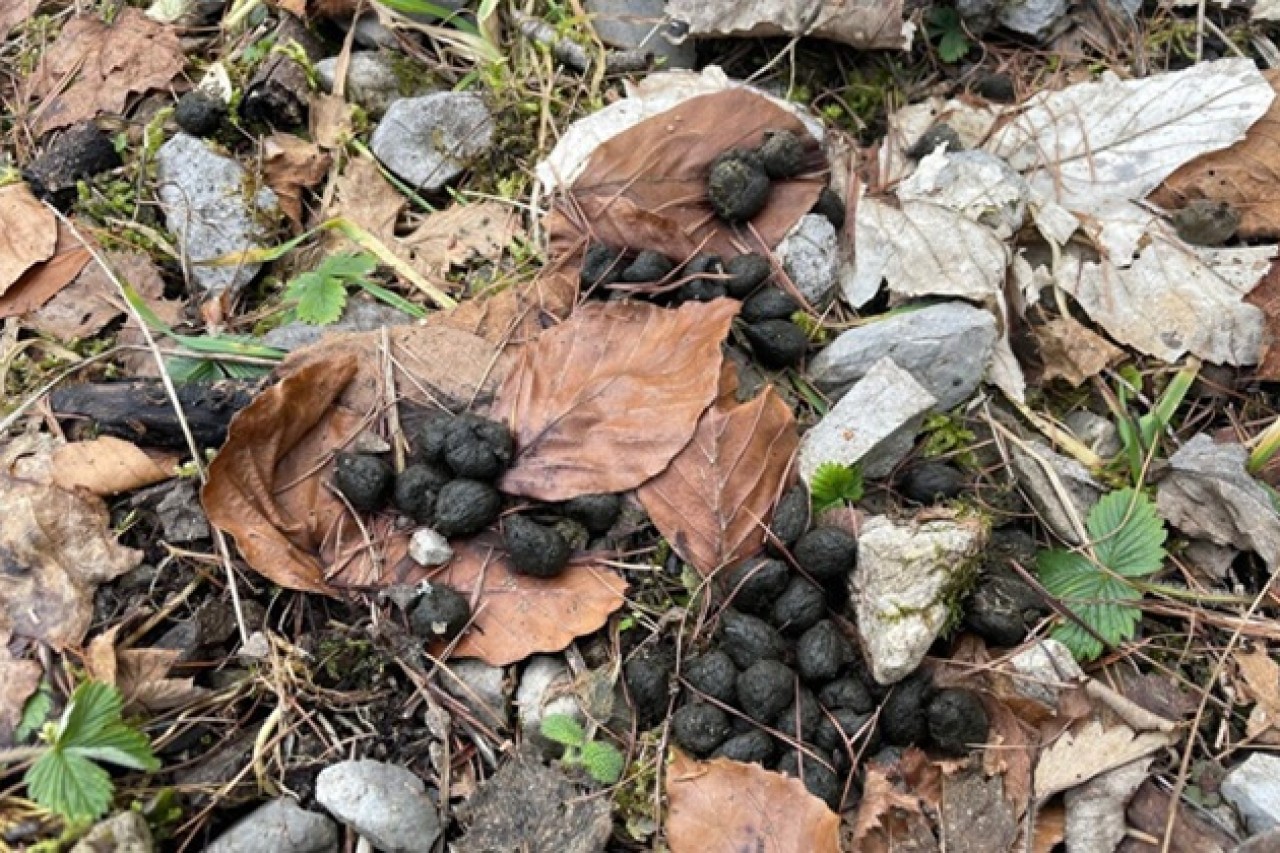
An analysis by Greenpeace Switzerland shows that microplastics are present in the excrement of wild mammals in our country. Whether roe deer, wild boar, chamois or martens – the faecal samples analyzed contain microplastics, in some cases at very high concentrations.

Swiss wildlife has thus not been spared from the far-reaching contamination of their habitats by plastic.
Just a few weeks before the resumption of negotiations on an international plastics treaty in Geneva, Greenpeace is calling on policymakers to adopt strict measures to curb plastic consumption.
Is wildlife in Switzerland also affected by plastic pollution? While the stomach contents of birds and marine animals have already been studied extensively, there is little data on the exposure of terrestrial wild mammals to microplastics. Greenpeace Switzerland conducted an exploratory study providing an initial overview of the situation. Specifically, around 50 mammal excrement samples were collected this winter across various cantons. Fourteen samples were selected for species diversity and geographic location – ranging from a badger in Vaud to a deer in Ticino, a hare in Neuchâtel and a wolf in Graubünden. The samples were analysed by the EPFL’s Central Environmental Laboratory.
The result: eleven faecal samples contain microplastics – the remaining three as well, albeit in such low concentrations that they could also originate from the analytical equipment. With more than 600 particles per gram of faeces, some concentrations are relatively high. These are from wild boar in Valais and their counterparts in Bern.

Wildlife is not only exposed to considerable amounts of microplastics, but also to a cocktail of various other harmful substances. All analyzed samples contain multiple types of plastic — in the fecal samples of the Valais marten, up to ten. The health hazards of plastics and their numerous chemical additives have been demonstrated by various scientific studies.
It is alarming that wildlife is clearly exposed to microplastic contamination. Even animals that do not forage near human settlements ingest microplastics, in some cases at high concentrations. This study unfortunately confirms the extent of plastic pollution in nature: That is why we must address the problem at its source, because plastic endangers the environment, the climate and health, says Joëlle Hérin, expert on consumption and the circular economy.
Greenpeace Switzerland is calling for effective measures at the national and international level. Switzerland will host the next round of negotiations for an international agreement against plastic pollution this summer. There, it must advocate for an ambitious outcome. Specifically: the agreement must include a target for reducing plastic production, ban problematic plastic items and chemicals, and incorporate wide-ranging reuse systems.
Further reading:
- Game meat: Natural, healthy — or dangerous?
- Game meat from hobby hunters? — Carrion on the plate!
- Studies indicate health risks associated with the consumption of game meat
- Diet: The civilized palate
- Game meat from hunters is carrion
- Game meat cannot be organic
- Meat from wild animals is not organic game
- Dementia: How harmful is venison?
- Game meat makes you ill
- Lead residues in game meat products
- Game meat: Risks, lead and hunting myths
- Warning: Caution regarding game meat from hobby hunters
- Hunters lie even when selling meat