Rethinking Non-Native Species in Ecosystems
Killing animals that do not “belong” in an ecosystem is a harmful strategy.

A new study challenges the conventional conservation approach that often leads to the killing of non-native animals in a given area in order to protect plant species.
This practice, which costs millions and results in the deaths of millions of healthy wild animals, is based on the assumption that introduced large herbivores or megafauna damage ecosystems by harming sensitive plants, reducing native plant diversity, and promoting invasive plant species.
However, new research from the University of Aarhus (Denmark) and the University of Oxford (United Kingdom) suggests that the distinction between native and non-native large herbivores may not be as clear-cut as previously assumed.
Challenging Practices of Killing Non-Native Animals
The researchers conducted a comprehensive analysis comparing the effects of native and introduced large mammal species on plant cover and plant diversity across 221 studies worldwide.
Their findings showed that both groups have similar impacts on native plant communities.
Dr. Jeppe Kristensen from the Environmental Change Institute at the University of Oxford stated: “We find no evidence for the claim that native large herbivores have different effects on ecosystems — in this case on plant communities — than their non-native counterparts.”
“We should therefore examine the ecological role of these animals — whether native or not — within ecosystems, rather than judging them based on their origin.”
Trait-Based Impacts on Ecosystems
Interestingly, the study found that the ecological impacts of invasive animals are more closely linked to their traits than to their native status.
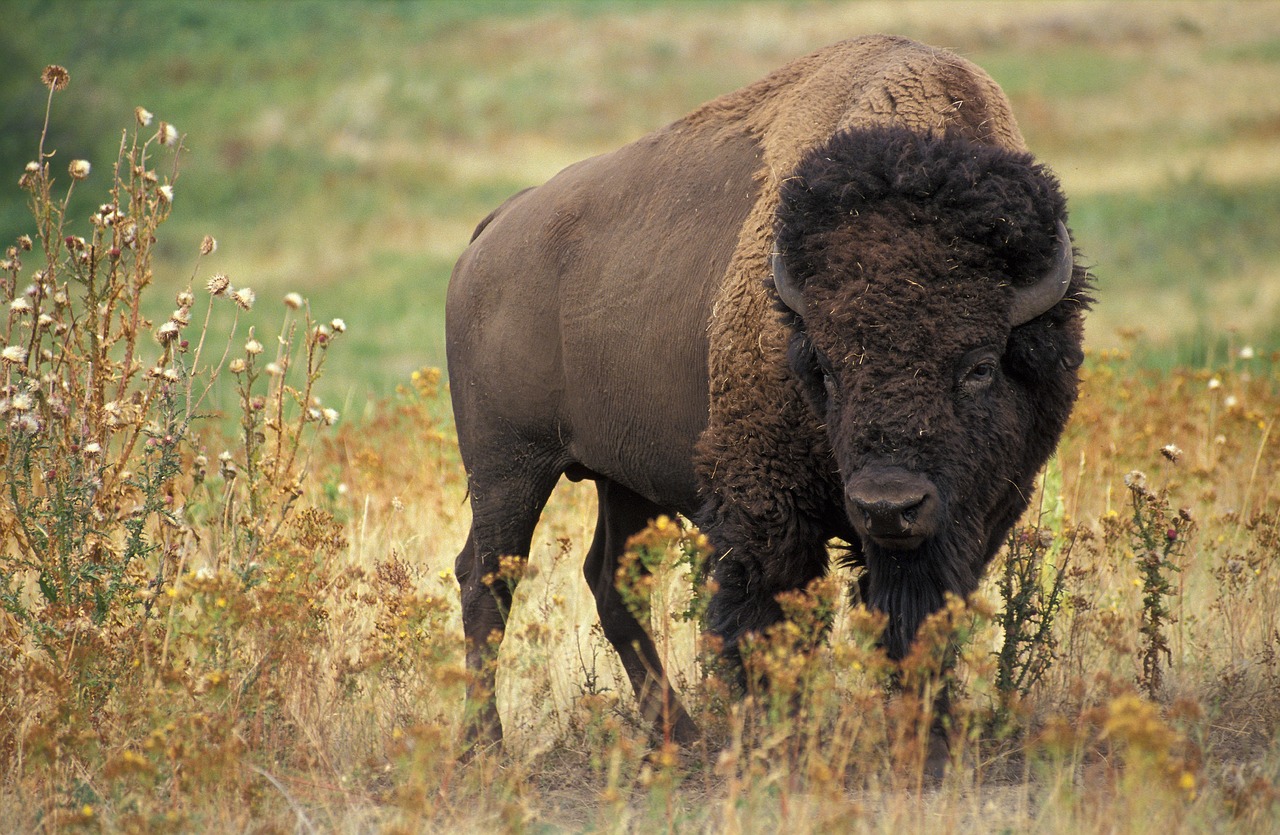
For example, small-bodied selective feeders such as roe deer tend to reduce plant diversity while larger, non-selective feeders such as buffalo tend to increase it.
This is attributed to the fact that large animals are unable to feed selectively, which prevents the dominance of certain plant species and promotes biodiversity.
Furthermore, the study finds that the body mass of an individual animal has a unique influence on the total weight of animals in an area, underscoring the special role of large animals in shaping ecosystems.
Dr. Kristensen explained: «While an elephant can knock over a medium-sized tree, 50 red deer cannot. To understand the impact of the presence of animals on the landscape, one cannot simply sum up body mass, but must consider the effects of each individual animal species.»
The Culling Paradox: Rethinking Conservation
This research also addresses the broader implications of the eradication of non-native animals, many of which are endangered in their native habitats.
The paradox of spending millions to remove these animals from areas where they are considered invasive, while their populations are declining elsewhere, raises questions about current conservation priorities.
Professor Jens-Christian Svenning of Aarhus University argues: «This interpretation suggests that functional niches freed up by extinctions and eradications in the recent prehistoric past, often caused by humans, are better filled by animals with functional traits similar to those lost, even if these new species are non-native or feral.»
The study underscores the need to reconsider perceptions of native and non-native species and their roles in ecosystems.
Rather than focusing solely on the concept of belonging, conservation strategies should prioritise the restoration of essential ecosystem functions, potentially through the adaptive introduction of non-native species. hobby hunting as population control also fails under this paradigm.
Including non-native animals instead of killing them
In summary, this groundbreaking study encourages conservationists to reconsider long-held assumptions about the role of native and non-native species in ecosystems .
It demonstrates that the influence of large herbivores on plant diversity and plant populations depends more on individual traits than on origin, thus calling into question the costly and often counterproductive practice of killing non-native animal species solely on the basis of their non-native status.
Instead, the findings advocate for an adaptive conservation approach that prioritizes ecological function and takes into account the potential of non-native species to assume important roles abandoned by extinct species.
This paradigm shift could not only improve biodiversity conservation efforts, but also foster a more nuanced and comprehensive understanding of species contributions to ecosystem health and resilience.
The full study was published in the journal Science .