Fewer wolf kills thanks to better herd protection
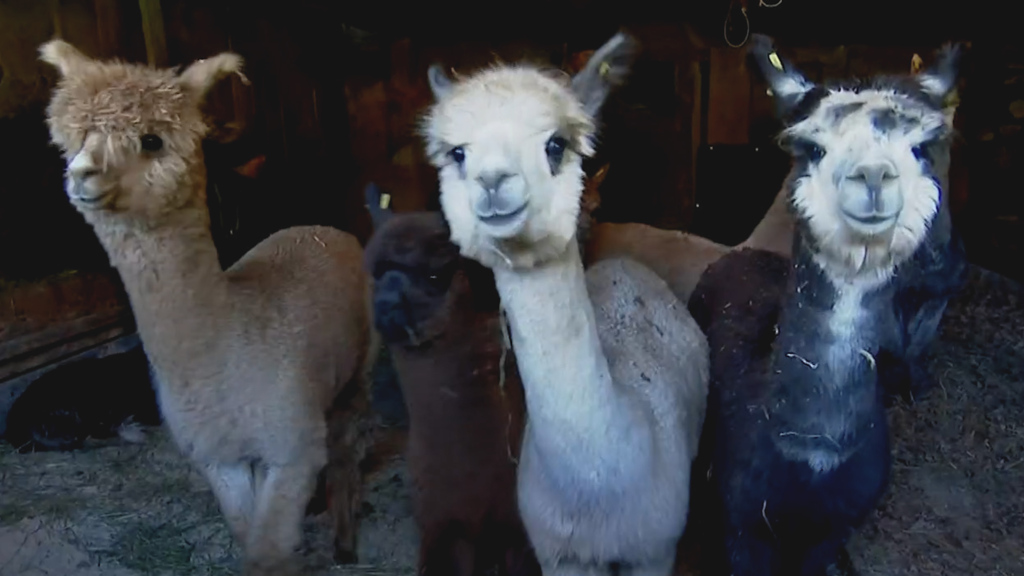
At the weekend, wolves from the Kärpf pack in Elm (GL) killed numerous alpacas that were insufficiently protected with only a single strand of wire fencing. Unprotected alpacas do not justify a cull!

29 percent fewer kills than the previous year
In Switzerland, livestock kills by wolves have decreased by 29 percent compared to the previous year, as reported by the programme «Schweiz Aktuell» on Swiss Radio and Television (SRF).
In 2022, up to the end of September, 1’200 livestock were killed by wolves in Switzerland. In 2023, the number was still 850 animals. The sharpest decline was recorded in the canton of Glarus, according to the programme. There, 80 percent fewer livestock were killed compared to the previous year.
In Graubünden, around 50 percent fewer kills were registered. And in the cantons of Vaud and Ticino, the figures are also declining.
Herd protection is having an effect
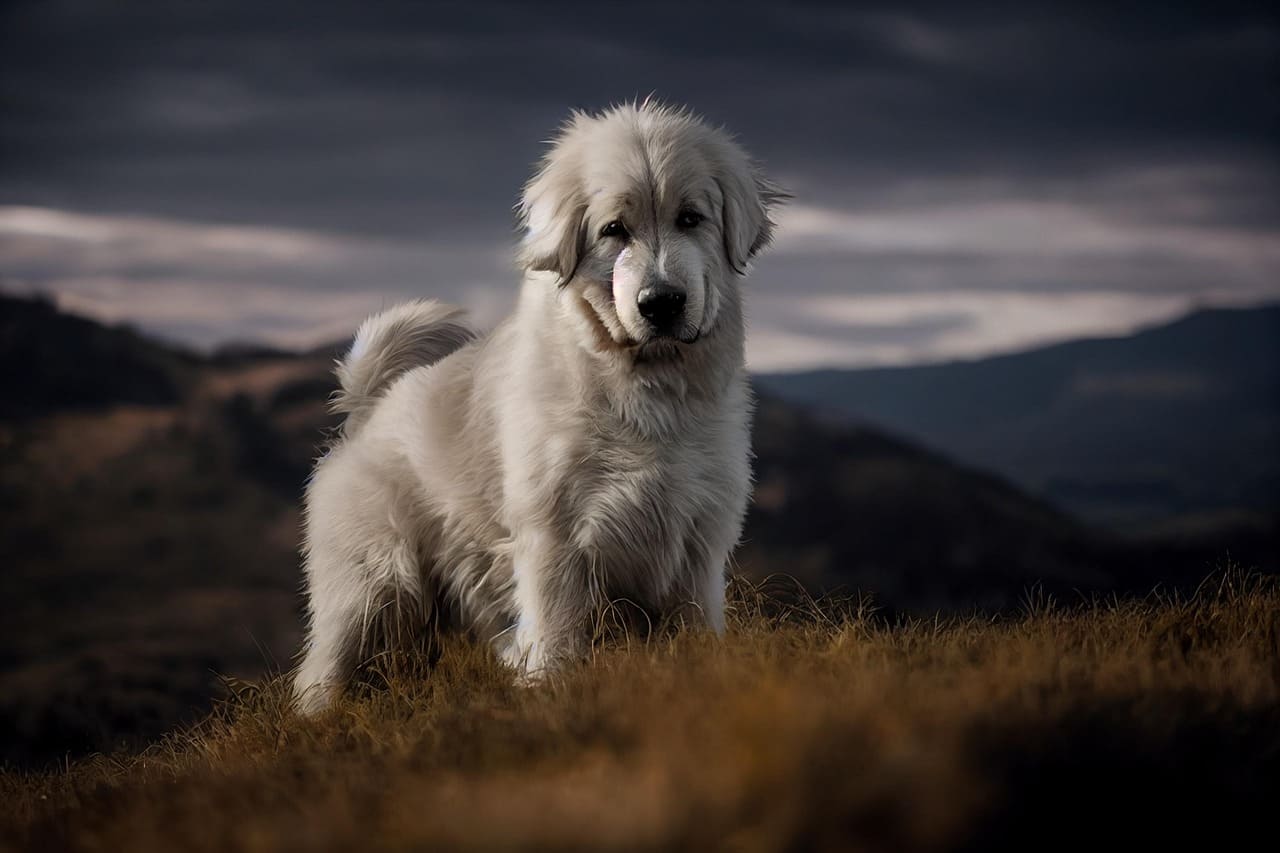
The environmental organisation Pro Natura attributes the declining number of kills to expanded herd protection. “Herd protection means that the herd is protected either by livestock guardian dogs and/or by shepherds.” Another option is for shepherds to secure their herds with wolf-deterrent electric fences, says Sara Wehrli, Head of Hunting Policy at Pro Natura.
Glarus wolf packs may be regulated
The Federal Office for the Environment gave its approval on 16 October 2023 for the regulation of the Kärpf pack and the Schilt pack. The planned culls are complex and may be carried out until 31 March 2024. Consistent herd protection remains of central importance in the future.
The canton of Glarus had submitted applications to the Federal Office for the Environment (FOEN) for the regulation of the two wolf packs Kärpf and Schilt, specifically for the shooting of a maximum of half of the known wolf pups born in 2023. On 16 October 2023, the FOEN granted its approval for the removal of two of the five pups from the Kärpf pack and one of three pups from the Schilt pack.
Culling is time-consuming and risky
The time-intensive culling operations are carried out by professional wildlife wardens. To minimise the risk of an erroneous kill, no licensed hunters are brought in to assist the professional wildlife wardens. An erroneous kill — for example, shooting the mother animal instead of a pup — can lead to disorganisation or the break-up of the pack. There is then a risk that the inexperienced young wolves will focus more on relatively easy prey such as sheep or goats and cause greater damage.
For livestock owners, this means that the herd protection measures, which are proving effective in 2023, should continue to be implemented consistently.

Dossier: Wolf in Switzerland: Facts, politics and the limits of hunting