Deadly Fear: EU Reviews Fireworks Regulations for Animals
As Europe prepares for Halloween and pumpkin lanterns, spooky decorations, and the first fireworks usher in the year's end in many places, millions of animals are once again left to suffer. What means festive cheer for many people turns into a nightmare for domestic and wild animals, with sometimes fatal consequences.


What animal owners have long known is increasingly being confirmed by science: fireworks trigger sheer panic in animals.
Around 80 percent of domestic animals show severe stress reactions — trembling, attempts to flee, hiding. In more than a third of cases, this stress persists long after the last bang. Veterinary practices report injured or even deceased animals every year — animals that collapse from fear or are injured during escape attempts.
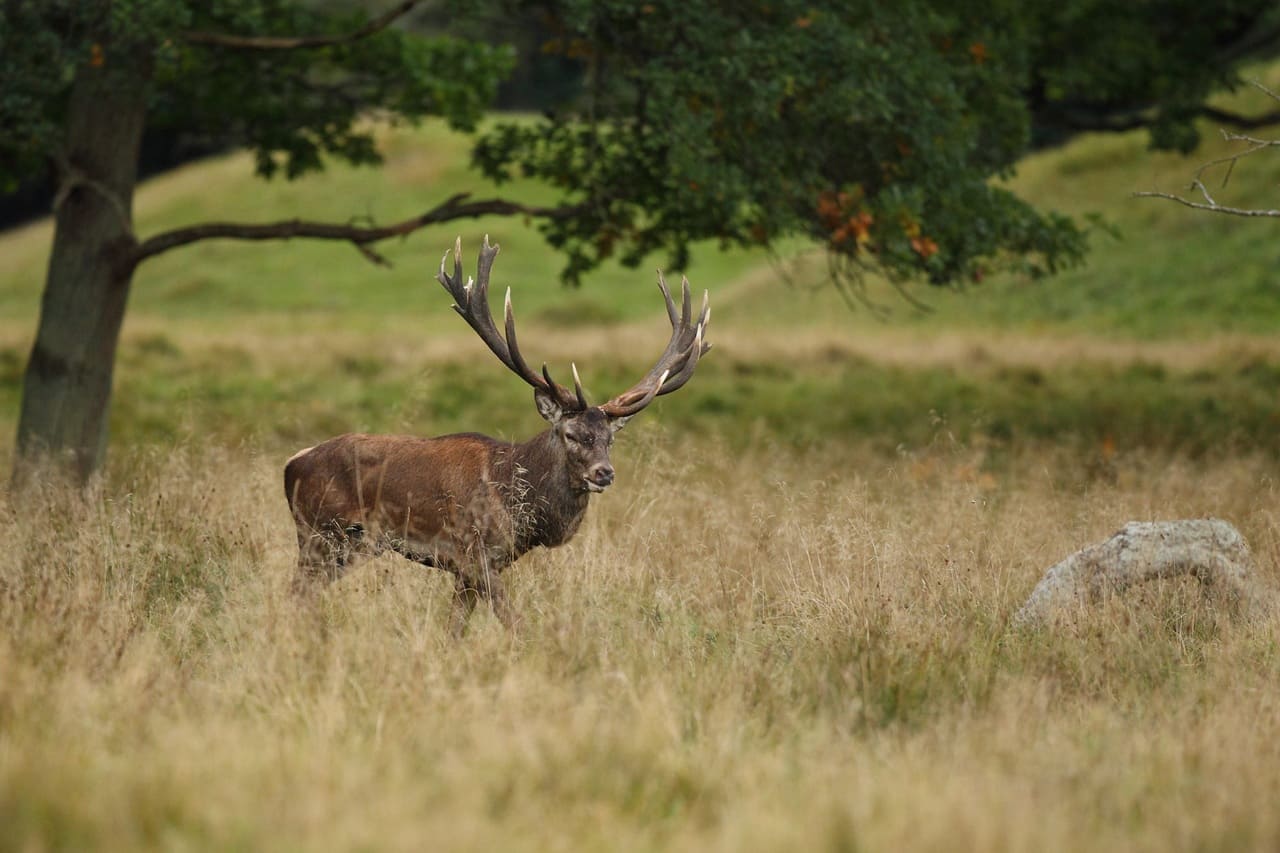
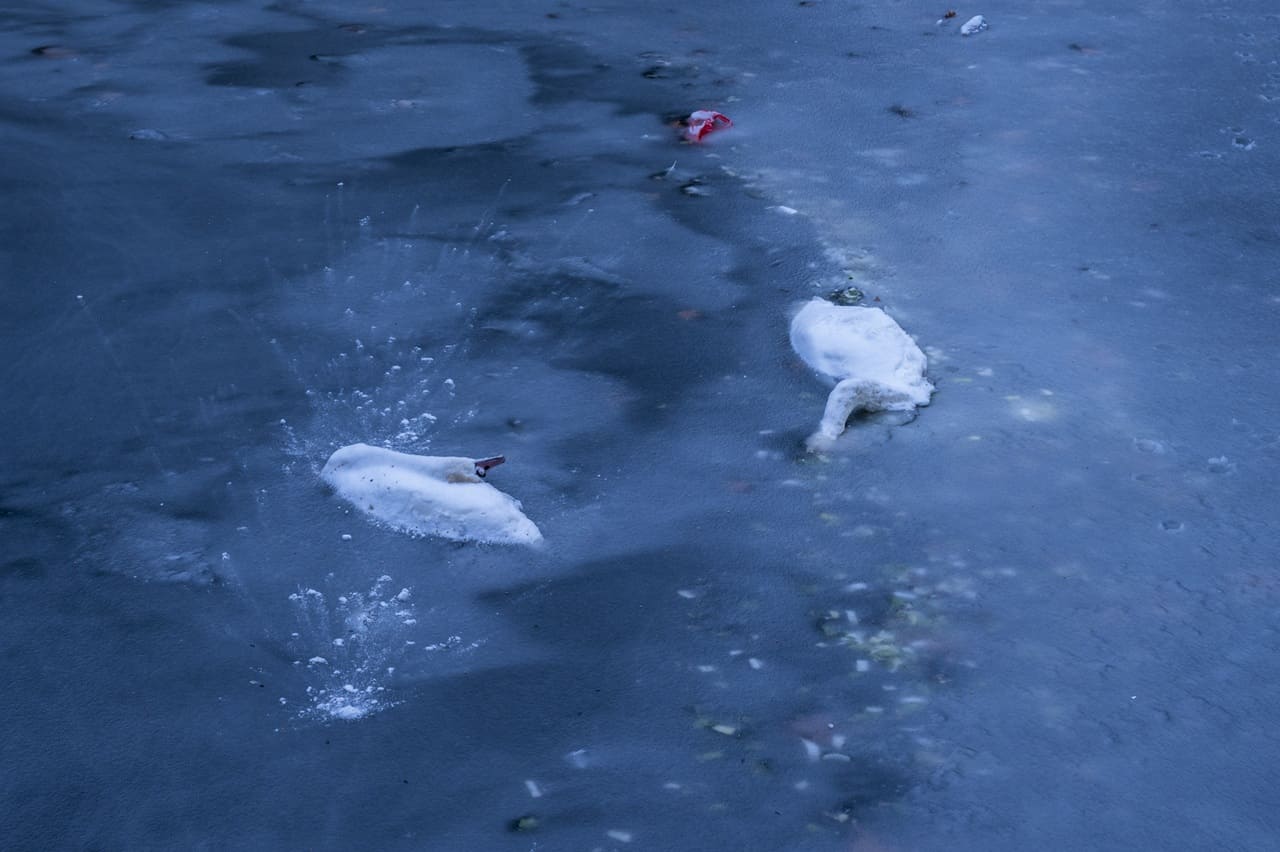
But animal suffering does not end at the front door. Wild animals, too, bear dramatic consequences. Birds collectively take to panicked night flights — an extremely energy-intensive state of emergency that can lead to exhaustion, disorientation, collisions, or death. Hedgehogs, deer, and other wildlife are driven from their safe refuges and wander onto roads or into unfamiliar terrain. Many find themselves in mortal danger as a result.
The EU responds — tentatively, but for the first time with animals in mind
A review of the European Pyrotechnics Directive (2013/29/EU) has now been published. The European Commission takes stock therein — and for the first time, animal welfare officially plays a role.
The key findings:
- Animal welfare has arrived as a political concern. More and more voices are calling for quieter, more environmentally friendly fireworks — or an outright ban for private individuals.
- Safety standards are only partially effective. While fewer products fail quality controls today than ten years ago, more than half of the fireworks inspected in 2024 were still found to be non-compliant.
- The problem of illegal pyrotechnics is growing. Highly dangerous professional-grade firecrackers continue to be sold online without age verification or safety controls. A risk to people, animals, and nature.
- Environmental and health consequences are becoming a focal point of criticism. Fireworks release heavy metals, fine particulate matter, and chemical residues that pollute air, water, and soil — all factors that also harm wildlife.
Growing sensitivity within the EU could soon lead to stricter regulations, restrictions on loud fireworks, or incentives for quiet, “green” alternatives. Some cities are already testing drone shows or laser-based light spectacles — animal-friendly, low-emission, and safe.
A celebration for us — a fight for survival for others
Halloween marks the beginning of months filled with fireworks: New Year’s Eve, Carnival, folk festivals. For countless animals, this period becomes an existential threat every year. The trend toward ever larger, louder, and cheaper firecrackers is worsening the situation.
It is high time to fundamentally question the private setting off of fireworks. Not only for reasons of safety and the environment, but out of respect for the living beings who are forced to witness our traditions.
Conclusion: Less bang, more responsibility
Whether the EU will take bold steps in the future remains to be seen. But one thing is clear: the scientific evidence is overwhelming, public awareness is growing, and the alternatives have long been available.
Those who wish to celebrate Halloween can do so — but without making animals feel as though they are in the middle of a war.
This year, we could begin to change the most frightening thing about Halloween: the suffering of animals.