South Africa wants to end lion breeding and canned hunting
Lion breeding in South Africa and the trade in products such as lion bones should be discontinued, and rhino farming by private owners should be subject to greater oversight, said Environment Minister Barbara Creecy.

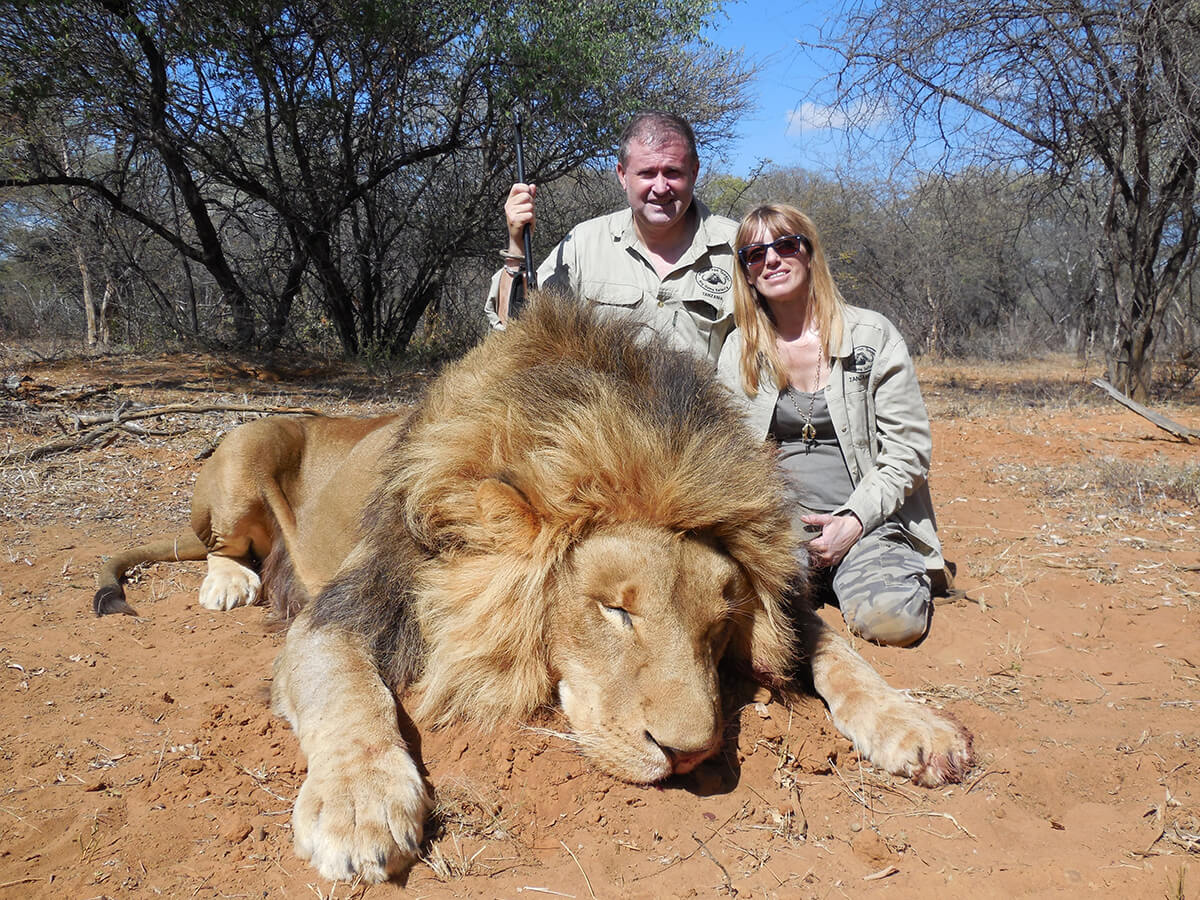
The South African government declares its willingness to put an end to the lion breeding industry.
Minister calls for end to commercial lion breeding
On 2 May 2021, Minister Barbara Creecy of the Department of Environment took the long-awaited step to change the status quo of the commercial lion breeding industry in South Africa.
There must be an end to the keeping and breeding of predators in captivity, said Environment Minister Barbara Creecy when presenting a study on the controversial topic. “We want no captive breeding, no captive hunting, no petting of captive-born lion cubs.”
Lions are hand-reared on so-called canned hunting farms so that they later have no natural fear of humans — and therefore of recreational hunters. On many farms, the animals are even lured with bait or sedated with medication to ensure a successful hunt even for inexperienced marksmen. In South Africa, for example, anyone can in principle go lion hunting. A hunting licence or proof of hunting experience is not required in most cases. More on this in the dossier Recreational hunting as an animal welfare problem.
So-called canned hunting is a hobby for the wealthy minority, as a single kill can cost over 50’000 francs. The price depends on the sex and physical condition of the animal. The more impressive the lion, the deeper the decadent must dig into their pockets for the trophy.
Canned hunting endangers wild lions
The panel found that the lion industry poses risks to the sustainability of wild lion conservation. It consisted of conservationists, scientists, ministers, community leaders, economists, and experts from the fields of trade and industry, law, welfare, and sustainable agriculture.
It was also a response to a number of emotional and complex questions about conservation and sustainable use raised by the public, particularly those concerning key species. These included the trade in lion bones, the hunting of captive-bred lions, the debate over the culling of elephants, ivory stockpiles, and the trade in rhino horn.
The planned ban was not directed against wildlife hunting in general, said Environment Minister Creecy. Rather, it was about ensuring that recreational hunters “have an authentic wildlife hunting experience” and do not hunt animals that “were taken out of a cage.” The abolition of captive lion hunting is intended to promote Big Five ecotourism, international reputation, and jobs.
The proposal is likely to face considerable resistance from the multimillion-dollar lion breeding industry. Hunting captive lions has long been controversial in South Africa. Several countries have initiatives to ban the import of trophies derived from hunting captive-bred animals. Further articles can be found in the category Hunting.
More on the subject of recreational hunting: In our dossiers on the criticism of recreational hunting gather fact-checks, analyses and background reports. The scientific evidence is presented in the overview Studies on the Effects of Recreational Hunting.
The position of IG Wild beim Wild: IG Wild beim Wild rejects recreational hunting. Our model is the canton of Geneva, which has managed without recreational hunting since 1974: without hunting seasons, without hunting dogs, without driven hunts, without high seats, without the animal cruelty and crime that go hand in hand with hunting season elsewhere. What has worked there for over fifty years disproves every position paper by JagdSchweiz. An association that bases its policy on claims it refutes in its own documents is not a professional organisation, but a factory for misinformation.