Hessian Hunting Regulation: Conflicts with Animal Welfare
In Hesse, the hunting regulation, which is actually valid until the end of 2028, is being revised.

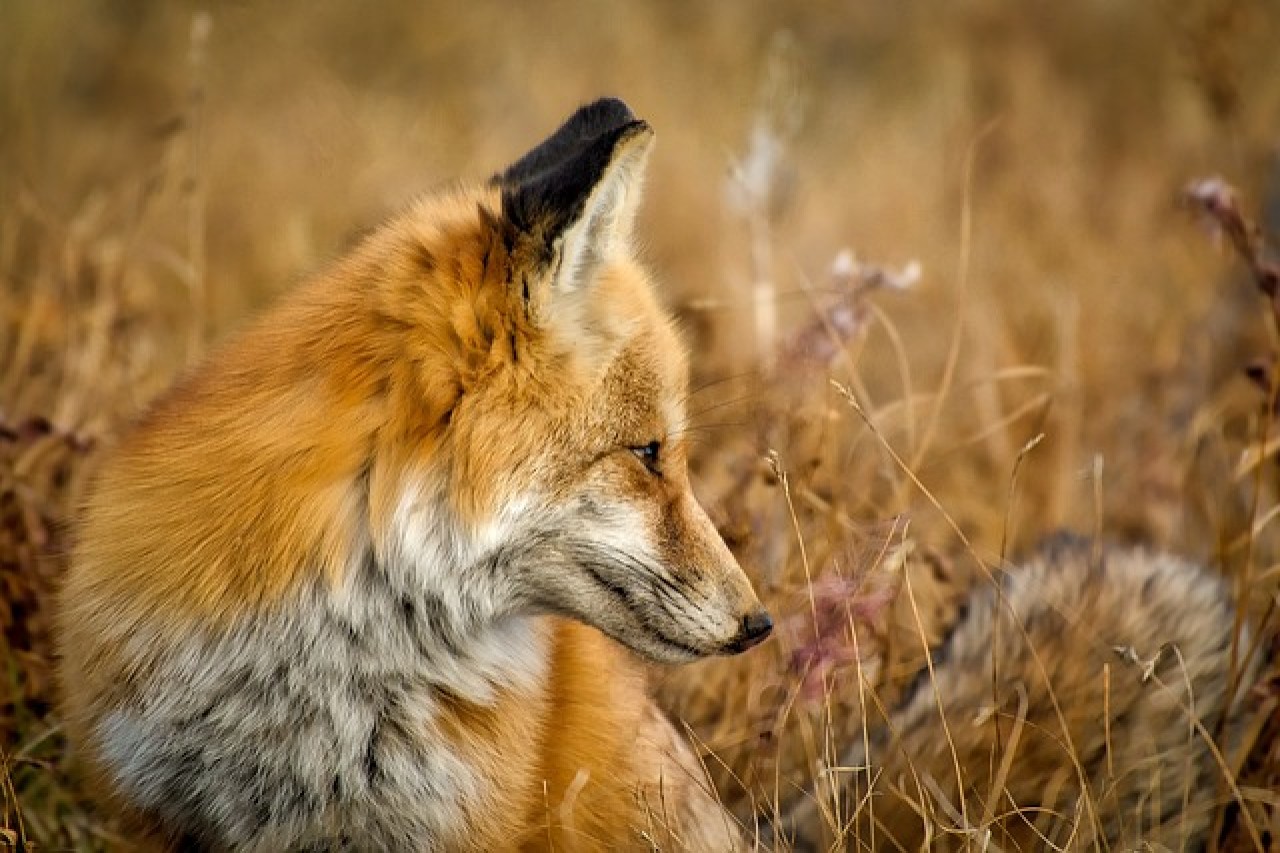
The planned extension of hunting seasons, the removal of closed seasons during the rearing period of wildlife, and the inclusion of strictly protected species in hunting law harbours significant conflicts with animal, nature, and species protection, without however resolving any problems.
A public evaluation of the measures has not taken place; in the context of an association consultation, predominantly hunting-affiliated organisations and individuals were consulted. The reinstatement and the significant expansion of hunting seasons are demonstrably arbitrary.
Criticism comes from the animal and nature conservation organisation Wildtierschutz Deutschland: Objectively necessary arguments, in particular scientifically substantiated ones, were neither examined nor presented in the context of the association consultation to justify the considerable expansion of hunters' rights of use.
Planned changes to the hunting regulation, which consistently represent ecologically questionable to entirely unnecessary extensions of the current rights of use of the hunting community, carrying a negative impact on the environment, fit the profile of a ministry that recently initiated a Bundesrat initiative to expand the use of night-vision technology and is pushing forward the offensive disregard for the protection of mother animals in the context of preventive ASF control measures in the Rheingau.
Thus, the abolition of the closed season for adult foxes from 1 March to 15 August, and with it the reversion of the regulation to a 1952 standard, amounts to sheer cynicism. The abolition of closed seasons during the rearing periods of wildlife will inevitably lead to criminal acts within the framework of parental animal protection as defined in the Federal Hunting Act. This is because parent animals (including, for example, male foxes) generally cannot be distinguished from non-nursing adult animals.
Badgers pose at most a negligible conflict potential for agriculture. Badger setts are usually located in forests away from agricultural land, meaning individual conflict cases could be resolved even without a general hunting season. The extension of already existing and questionable hunting seasons is entirely arbitrary, as it appears on the wish list of a hunters' association and the black-red Hesse coalition is on cosy terms with the state hunting association.
How completely haphazard the reversal of the year-round closed season for pine martens, polecats, stoats, and weasels — introduced by the black-green coalition two legislative periods ago — truly is, is illustrated by these figures: In the most recent hunting year 2015/2016, on a huntable area of approximately 1.8 million hectares in Hesse (1 ha = 10,000 m²), a mere 78 pine martens, 101 polecats, 149 stoats, and 119 weasels were killed through hunting activities.
Denying wildlife a closed season — not even during the birthing and rearing period of their young — without compelling reasons to do so is neither consistent with ethical hunting principles nor compatible with society’s values regarding animal and nature conservation.
The state is obligated to uphold the constitutional objectives of animal protection and nature conservation — not the vested interests of a particular clientele. The state government is responsible for creating the legal foundation for animal-welfare-friendly legislation and jurisprudence. This is evidently not the intention in the context of the forthcoming amendments to the Hessian Hunting Ordinance.
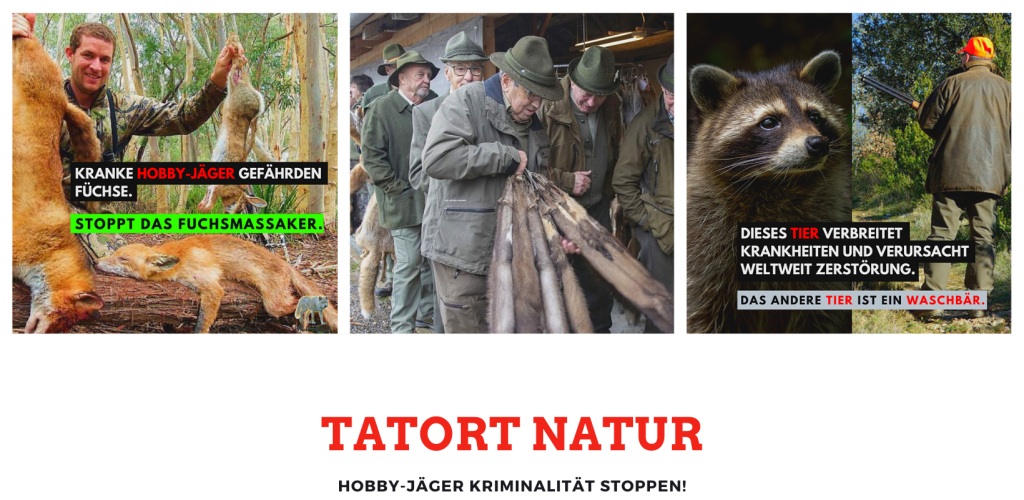
More on the subject of recreational hunting: What the research says about this is shown by Hunting fact-checked: the state of research.
The position of IG Wild beim Wild: IG Wild beim Wild rejects recreational hunting. Our model is the canton of Geneva, which has managed without recreational hunting since 1974: without hunting seasons, without hunting dogs, without driven hunts, without high seats, without the animal cruelty and crime that go hand in hand with hunting season elsewhere. What has worked there for over fifty years disproves every position paper by JagdSchweiz. An association that bases its policy on claims it refutes in its own documents is not a professional organisation, but a factory for misinformation.