Cows prefer the barn to the pasture
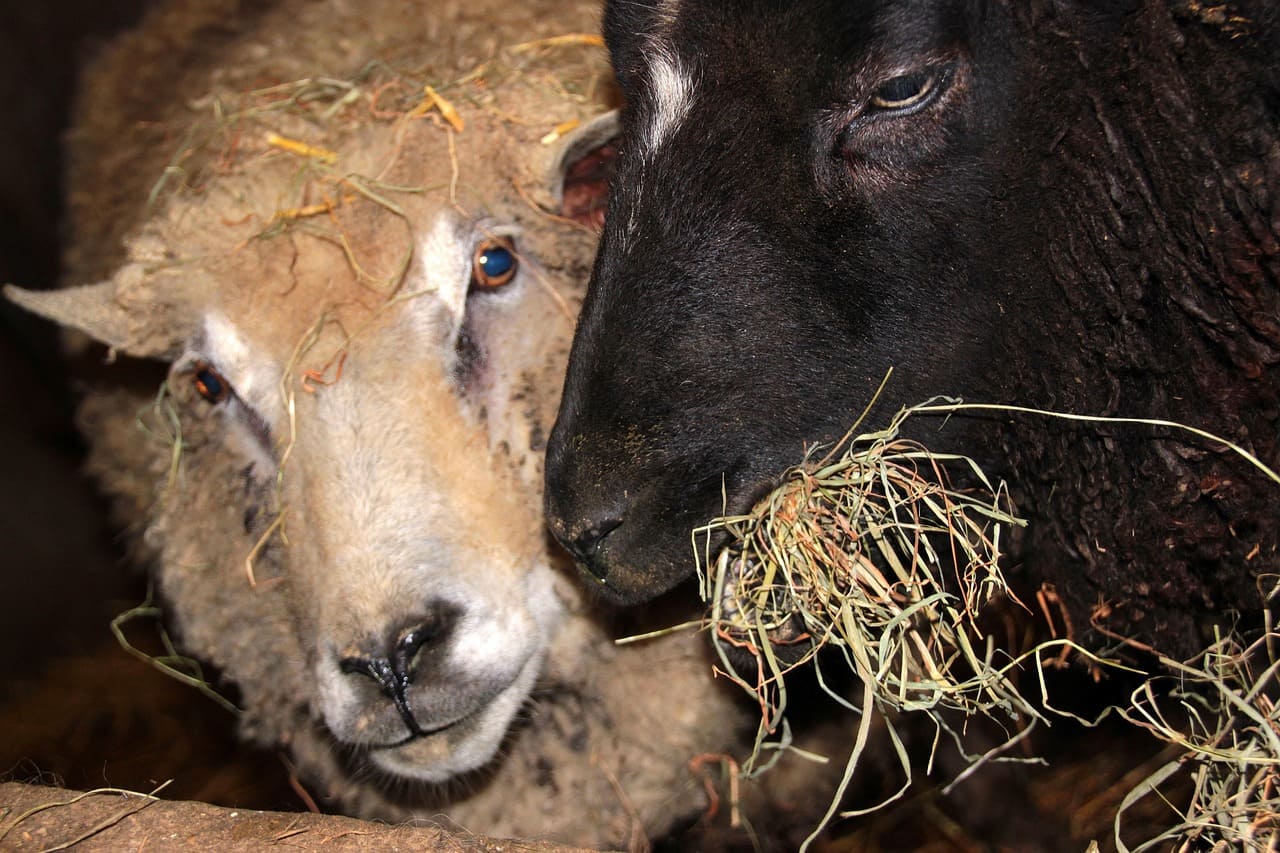
A study shows: cows prefer the shady barn over the summer pasture. This has implications for animal welfare and sustainability.


Have we misunderstood cows?
A new study shows that farm animals prefer to lie idle in a shady barn rather than graze on summer pastures. This also has implications for sustainability.
The happy cows are not grazing in the meadow but lying in the airy barn, ruminating. This is the conclusion reached by scientists at the State Research Institute of Mecklenburg-Vorpommern for Agriculture and Fisheries in Gülzow after evaluating extensive data. “Cows dislike heat, rain and wind. They make use of the advantages of a shady, comfortable barn and leave it most frequently at night,” said the institute’s director, Peter Sanftleben. Consumer expectations of cows grazing in pastures therefore do not in every respect align with the animals’ welfare.
The costly “compromise barn”
According to Sanftleben, the sensors attached to the dairy cows yielded many surprising findings. Temperatures above just eight to ten degrees Celsius are already perceived as a burden by the animals. Warm barns are therefore good for the animal keeper, but not for the cows. Modern barns are characterised by open side walls, enormous volume, soft cow beds, fans for cooling, feed available at any time of day, and sensor technology for monitoring health and behaviour.
Such a “compromise barn” comes at a price, however: 20,000 to 25,000 euros per cow, said Sanftleben. For a dairy facility with 400 animals, the investment quickly adds up to ten million euros. Additional costs for medical care or environmentally sound feed production would further increase this figure. The highest possible animal welfare, optimal environmental protection and excellent business economics are therefore hardly reconcilable, and compromises are inevitable.
Fewer, but more productive
Nevertheless, according to Mecklenburg-Vorpommern's Minister of Agriculture and the Environment Till Backhaus (SPD), animal welfare is the key to the economic success of dairy farmers and the necessary progress in climate protection. "Fewer but more productive cows mean stable milk quantities and at the same time lower methane emissions," said Backhaus.
According to him, the number of dairy cows in Mecklenburg-Vorpommern has fallen from around 250,000 in the early 1990s to just 150,000 today. As a result, emissions of climate-damaging methane produced during digestion in cows' stomachs have nearly halved.
However, the reduction in livestock numbers has had no impact on milk volumes. Through breeding, optimised husbandry and the provision of high-quality feed, milk yield per cow has more than doubled from 4,500 litres per year at that time to just under 11,000 litres today. This has gone hand in hand with a significantly improved state of animal health. According to Sanftleben, udder diseases are far less common today than they were in the 1980s.
| You can help all animals and our planet with compassion. Choose empathy on your plate and in your glass. Go vegan. |
More on the subject of recreational hunting: What the research says about this is shown by Hunting fact-checked: the state of research.
The position of IG Wild beim Wild: IG Wild beim Wild rejects recreational hunting. Our model is the canton of Geneva, which has managed without recreational hunting since 1974: without hunting seasons, without hunting dogs, without driven hunts, without high seats, without the animal cruelty and crime that go hand in hand with hunting season elsewhere. What has worked there for over fifty years disproves every position paper by JagdSchweiz. An association that bases its policy on claims it refutes in its own documents is not a professional organisation, but a factory for misinformation.