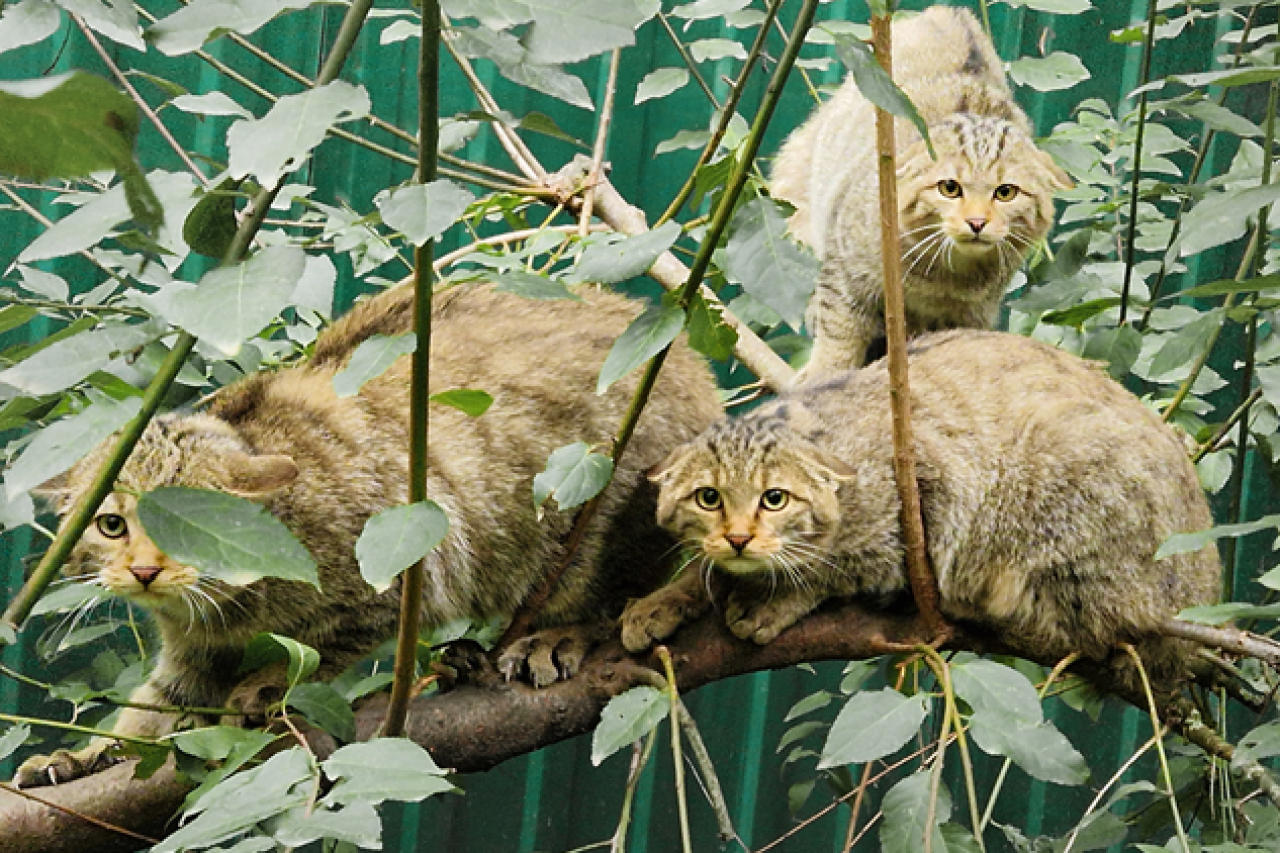
Cats with humans are less anxious
Cats that live with humans are less anxious and aggressive. New studies confirm the benefits of a close human-cat relationship.

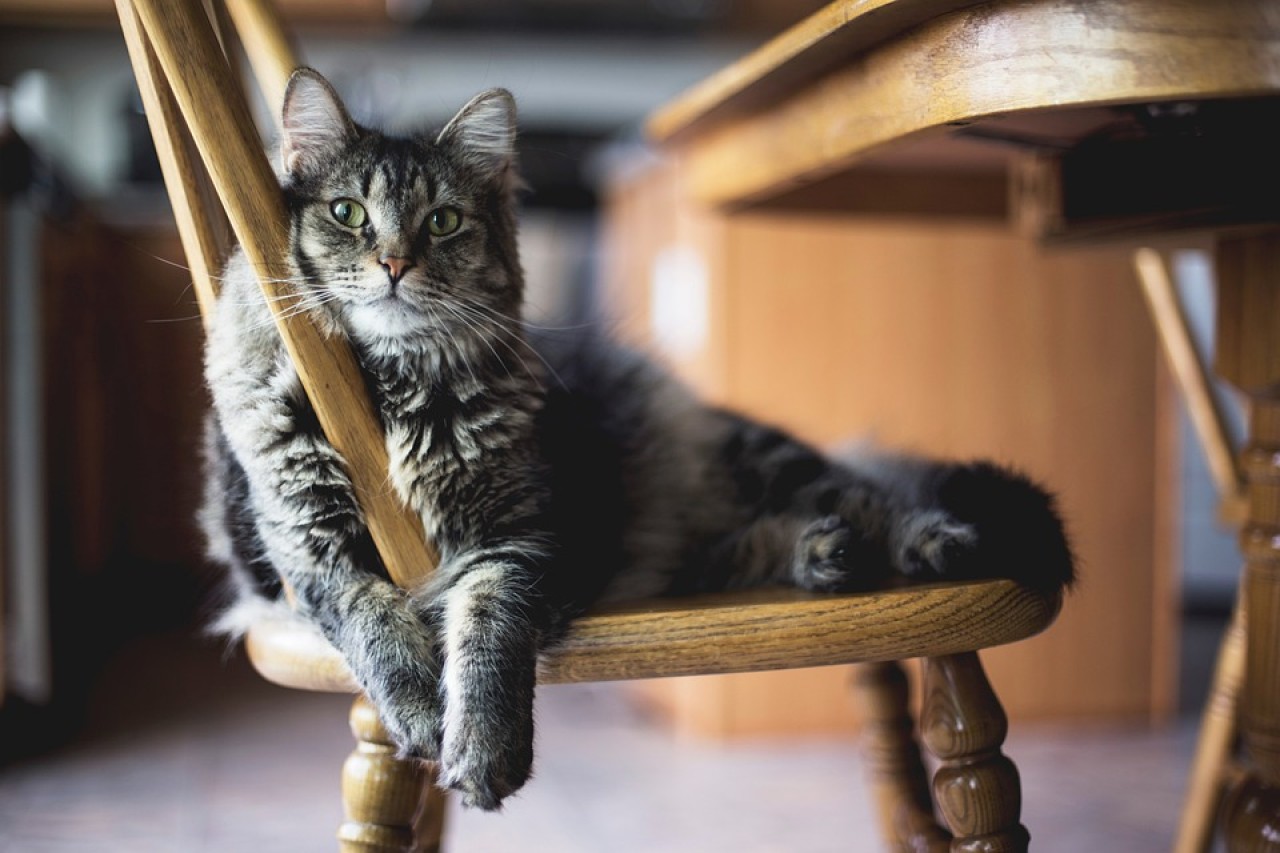
Cats frequently display aggression towards humans and other problematic behaviours, yet the causes of such problems have until now been relatively unknown.
In a new study from the University of Helsinki, experts identified a link between poor socialisation with humans and the development of anxiety and aggression in cats.
Socialisation as a key factor
«Problematic behaviour is a notable welfare concern for cats (Felis catus), as it is one of the most common reasons for relinquishment. The likelihood of developing problematic behaviour is probably influenced by several variables, which however remain poorly studied,» the researchers write.
«In this study, we investigated the associations of anxiety, aggression towards humans and excessive grooming with nearly thirty variables in a survey dataset of over 3’200 cats.»
«Poor socialisation with humans and the fact that a cat was rescued from a shelter were associated with higher levels of anxiety, suggesting that proper socialisation of kittens helps to prevent anxiety-related problematic behaviours. Overall, our study underscores the complexity of three problematic behaviours in cats.»
Survey with over 3’200 cats
According to the study’s lead author, Salla Mikkola, the team wanted to identify which factors are associated with problematic behaviour in cats, such as anxiety, aggression towards humans and excessive grooming. «We used a survey dataset that we had already employed in our research to examine the development of cat personality.»
The survey included statements about the animal's reaction to strangers, sudden noises, and changes in the home. Respondents were also asked about excessive grooming and signs of aggression toward people. These included scratching or biting attempts in connection with grooming, such as when the animal is being brushed.
«We examined the relationship between these problematic behavioral and personality traits and nearly 30 behavioral, environmental, and biological factors. For example, the socialization of cats with humans was linked to fearfulness,» said Mikkola.
Early contact reduces anxiety
«Cats that had little or no contact with unfamiliar adults and children under 12 weeks of age were more fearful than cats that encountered strangers weekly or daily. Fearful cats also showed, on average, higher scores for litter box problems, aggression, and excessive grooming.»
Professor Hannes Lohi noted that in households with more than one cat, less aggression and fearfulness were observed, but the reason for this is not yet clear. «It could be that the company of other cats is an important stimulus for cats, or alternatively, that people do not want to give their aggressive cat a companion due to its temperament. To explain the causalities, studies with a different design are required.» More on the topic of the human-animal relationship in the Wildlife section.
More on the subject of recreational hunting: The scientific evidence is presented in the overview Studies on the Effects of Recreational Hunting.
The position of IG Wild beim Wild: IG Wild beim Wild rejects recreational hunting. Our model is the canton of Geneva, which has managed without recreational hunting since 1974: without hunting seasons, without hunting dogs, without driven hunts, without high seats, without the animal cruelty and crime that go hand in hand with hunting season elsewhere. What has worked there for over fifty years disproves every position paper by JagdSchweiz. An association that bases its policy on claims it refutes in its own documents is not a professional organisation, but a factory for misinformation.