Can beans save the earth?
New campaign group promotes the ecological and health benefits of beans.

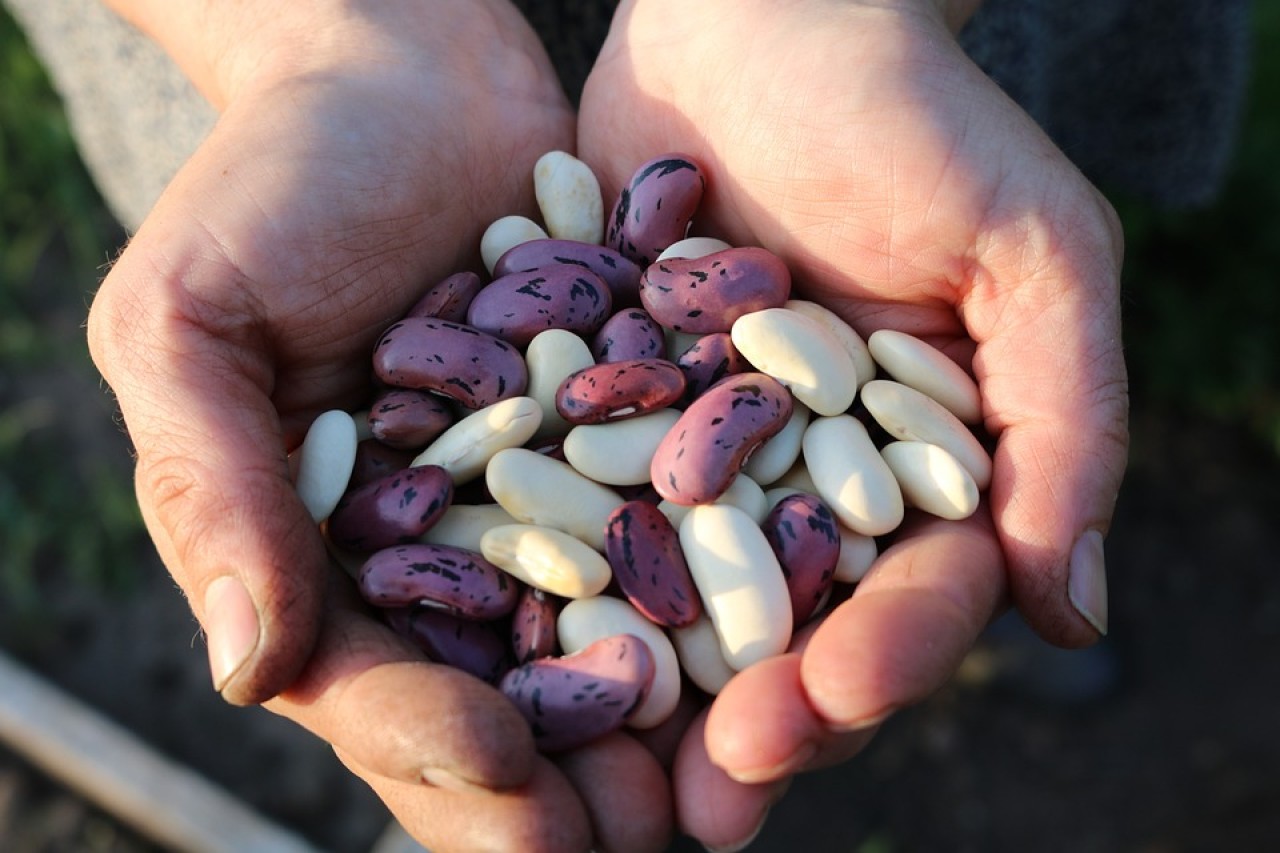
The humble legume is already a staple on tables around the globe.
But a coalition of environmental groups claims that doubling bean consumption could help protect the planet and combat the cost-of-living crisis.
Beans as a “unique solution”
The new initiative «Beans is How», coordinated by the Sustainable Development Goals (SDG2) Advocacy Hub, promotes the food as a “unique solution” to the climatic, health and economic challenges facing our planet.
«Everyone is worried right now: How can we prepare nutritious meals for our families when money is tight? How can we contribute to addressing the climate crisis?» says Paul Newnham, Executive Director of the SDG2 Advocacy Hub.
«What can we do about the 3 billion people on this planet who are malnourished?»
Meat production as a climate killer
Global food production is responsible for one third of all greenhouse gases emitted by humans.
But not all foods are equal. Meat accounts for 60% of food-related gas emissions, with a single kilogram of beef producing 70 kg of emissions.
Grazing cattle is also a major driver of deforestation, particularly in sensitive ecosystems such as the Amazon rainforest.
Beans release 90% fewer greenhouse gases than some animal proteins. They also improve soil health by adding nitrogen to the soil and reducing the need for fertilisers.
Reversing this imbalance could reduce stress on the planet, according to the «Beans is How» campaign.
«I love beans – I cook beans, I grow beans, I eat beans. I have never met a bean I didn’t like. They are a little jewel and have the potential to improve the lives of people around the world,» said Sam Kass, former White House chef and Senior Policy Advisor for Nutrition.
«If we all focus together on this one product that we know is good for us, we can really make a difference. To achieve that, we need everyone’s help – we need chefs to put more beans on their menus and make beans sexy,» he added.
Beans against hunger and cost of living
43 million people in 38 countries around the world are threatened by famine or a severe food crisis, meaning the slightest disruption to food systems could deprive them of their livelihoods.
However, beans are a cheap and protein-rich alternative to meat. Dried beans cost on average just $1.00 per 500 grams.
In addition, new bean varieties are continuously being bred. In recent years, bean breeders at the Pan-Africa Bean Research Alliance (PABRA) have developed more than 500 new varieties that increase the nutritional value of the simple legume.
Almost one fifth of Rwanda’s population now eats iron-fortified beans, which cover 80% of the iron requirements of young children and non-pregnant women.
«Beans, legumes, pulses and peas come in thousands of varieties. Beans are excellent for cultivation by farmers and are rich in protein and iron,» said Dr. Agnes Kalibata, President of AGRA.
«Every time you eat beans, you are helping a family to have a better income and better nutrition, and you are helping to regenerate soils. It is a super crop in every sense of the word,» she said.
The «Beans is How» campaign is convening a scientific and innovation advisory board for beans to determine how the goal of doubling consumption can be measured and achieved. More on this topic Environment and conservation on wildbeimwild.com.