Start of tick season: foxes and Lyme disease
With the warm temperatures of recent weeks, tick season has begun, along with the risk of contracting serious illnesses such as Lyme disease through the bite of these small arachnids. However, current research suggests that our most valuable ally in the fight against Lyme disease is likely the fox. Wild beim Wild therefore calls for

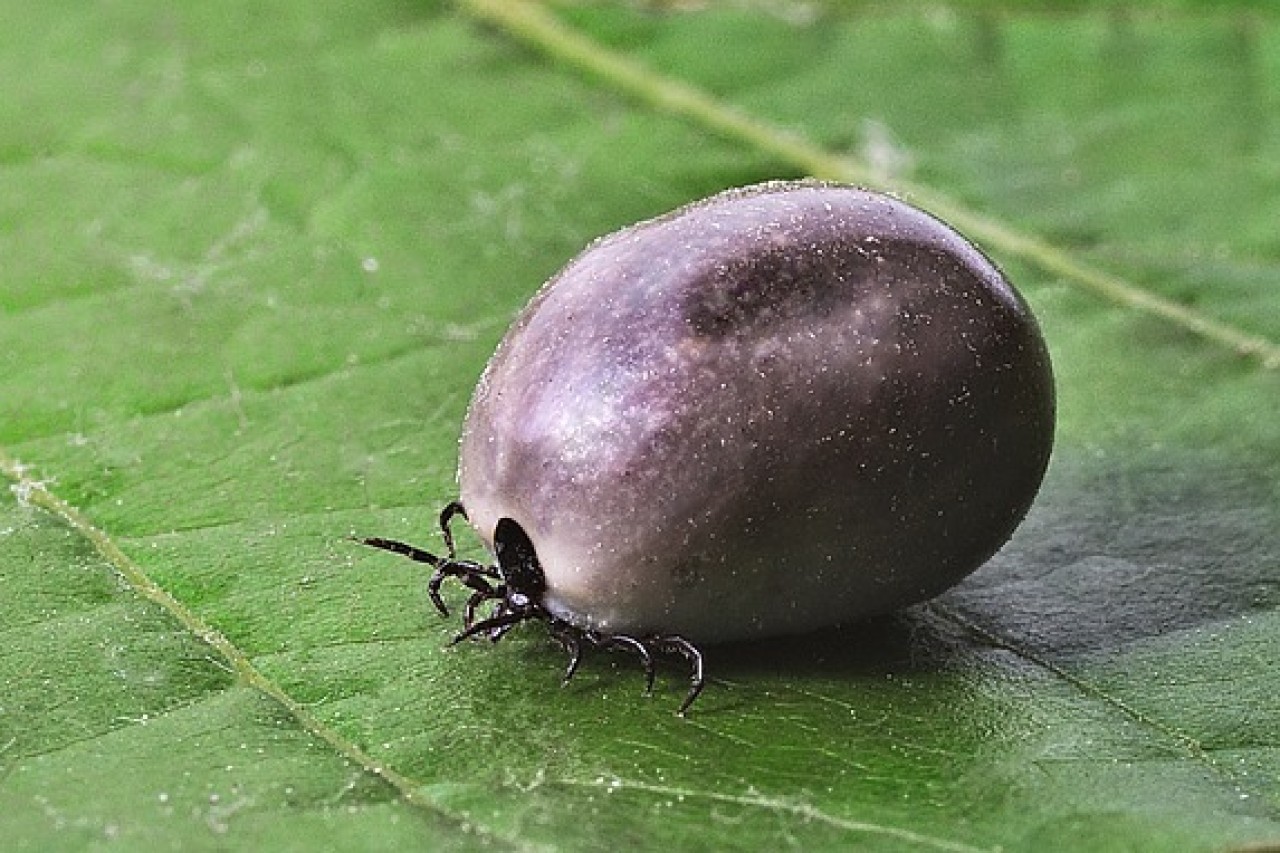
With the warm temperatures of recent weeks, tick season has begun, along with the risk of contracting serious illnesses such as Lyme disease through the bite of these small arachnids.
However, current research suggests that our most valuable ally in the fight against Lyme disease is likely the fox . Wild beim Wild therefore calls, as part of a cross-border alliance of nature and animal welfare organisations, for the hunting of foxes to be stopped.
Lyme disease is the most common tick-borne illness in Europe; more than 200’000 people are infected with it every year.
The number of people contracting Lyme disease and other tick-borne illnesses in Switzerland is on the rise. The Federal Office of Public Health estimates that around 6’000 to 12’000 people in Switzerland contract so-called Lyme disease each year. For tick-borne encephalitis (TBE), the figure is between 100 and 250. The Federal Office of Public Health (FOPH) therefore classifies tick-borne diseases as a significant public health concern for Switzerland.
On forest floors, in urban areas, and in parks, ticks lie in wait for their first blood meal. The small black parasites also feed on the ubiquitous mice and other small mammals that carry the feared pathogens in and on their bodies.
But this need not be the case. A new study suggests that the absence of mouse-hunting predators — foxes in particular — is the cause of the rising number of tick-borne illnesses. Tick larvae are born without the pathogens that are dangerous to humans. Only ticks that have previously bitten infected animals are responsible for transmitting disease to people.
The disease is caused by bacteria and in its early stages manifests only as redness around the tick bite along with mild general symptoms such as headaches and body aches. If the pathogens spread through the body, they can lead to heart problems, permanent organ damage, and severe chronic symptoms. To this day — unlike the case with TBE (tick-borne encephalitis), which is also transmitted by ticks — there is no vaccine against Lyme disease.
More foxes — fewer Lyme disease pathogens
Current research shows that our most valuable allies in combating this serious infectious disease are predators that feed on mice — above all the red fox. Dutch biologist Hofmeester* compared 20 woodland areas with varying population densities of predators such as foxes and martens. His highly interesting finding: in areas where many foxes lived, far fewer ticks carried Lyme disease pathogens.
He identified the reason as the influence of predators on the behavior of mice, which are considered the main reservoir of the Lyme disease pathogen. Where there are sufficient predators, mice more frequently stay hidden and are therefore less often infested by tick larvae. This makes it harder for Lyme disease to spread through the mouse population, ticks pick up the pathogen less frequently, and the likelihood of transmission to humans decreases. Protecting foxes thus helps to shield humans, as well as domestic and other wild animals, from tick-borne diseases!
Researchers advocate for sparing foxes
The authors of the study, published in the renowned British journal «Proceedings of the Royal Society of Biological Sciences», therefore suggest rethinking our relationship with predators such as the red fox. Foxes in particular are hunted intensively in almost all of Europe, rather than being recognized and protected as allies in the fight against disease.
The Aktionsbündnis Fuchs endorses this assessment: «There is no reasonable justification for persecuting the red fox,» says Daniel Peller, one of the initiators of the alliance.
«On the contrary: as we know from fox-hunting-free areas, nature benefits from the protection of these social and intelligent predators. The fact that they help us in the fight against Lyme disease is a further argument for ending the often cruel hunting of foxes.»
Anyone who is afraid of diseases such as Lyme disease, tularemia, or the so-called fox tapeworm should speak out clearly against hobby hunting. The hobby hunt as population control fails demonstrably.
*) Hofmeester, T.R. et al (2017): Cascading effects of predator activity on tick-borne disease risk. Proc. R. Soc. B 284 : 20170453.