Wild boar avoid Central Switzerland
Wild boar populations in Switzerland are steadily increasing. The sustainable regulation of wild boar populations is one of the greatest challenges facing hunting today. The aim is to keep agricultural damage at a manageable level.

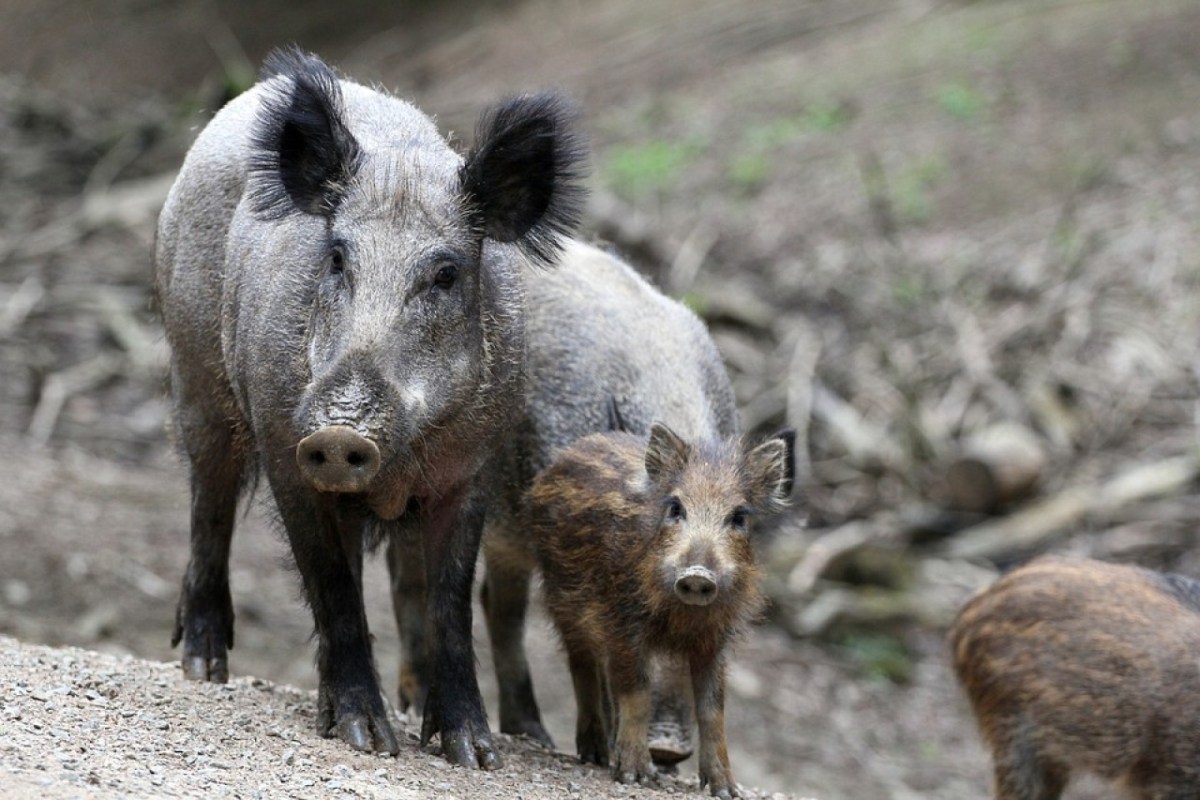
“The Sounder”
150 years ago, there were no wild boar left in Switzerland.
Due to large-scale deforestation and overexploitation of forests in the 19th century, as well as unrestricted popular hunting, the animals disappeared across Europe. In the 20th century, wild boar reclaimed large parts of their original range.
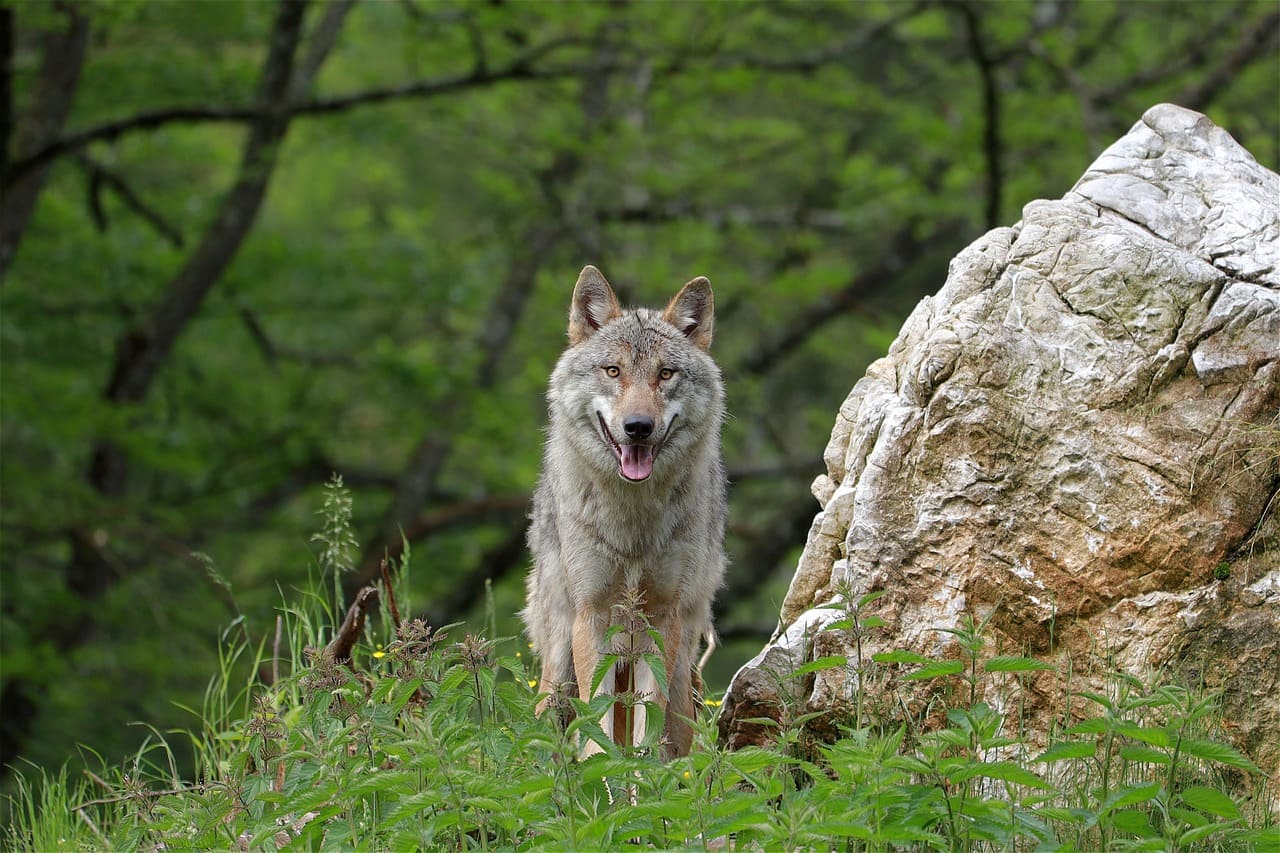
The wild boar is back
In Switzerland, wild boar today once again inhabit parts of Ticino and the Rhone Valley, and have spread considerably, particularly along the Jura arc and across the Mittelland. As a result of human activities in nature, especially recreational hunting, wild boar have adapted, becoming largely nocturnal and often retreating into thickets and forests due to disturbance.
The hunting statistics show that the number of animals shot over the past ten years has been at least 6’000 animals nationwide, with record figures of nearly 13’000 kills reached in 2019 and 2021.
Population growing, but not everywhere
The wild boar population has grown, but only in areas already inhabited by the species. It is virtually impossible to observe wild boar colonising new areas such as Central Switzerland.

Problematic recreational hunting
Today's recreational hunting destroys the normal social structures of wildlife and leads to increased migration into unhunted residential areas. Recreational hunting fails as a means of population control.
A trained wildlife warden in the canton of Geneva requires only a fraction of the time of a recreational hunter and is also a better marksman. Wildlife wardens also do not organise cruel driven hunts and battues with baying hunting dogs.
| You can help all animals and our planet with compassion. Choose empathy on your plate and in your glass. Go vegan. |
More on the subject of recreational hunting: In our dossiers on recreational hunting gather fact-checks, analyses and background reports. What the research says about this is shown by Hunting fact-checked: the state of research.
The position of IG Wild beim Wild: IG Wild beim Wild rejects recreational hunting. Our model is the canton of Geneva, which has managed without recreational hunting since 1974: without hunting seasons, without hunting dogs, without driven hunts, without high seats, without the animal cruelty and crime that go hand in hand with hunting season elsewhere. What has worked there for over fifty years disproves every position paper by JagdSchweiz. An association that bases its policy on claims it refutes in its own documents is not a professional organisation, but a factory for misinformation.