Australians don't know their endangered species
Most Australians are unaware of their most endangered species. A study reveals the alarmingly low awareness of threatened wildlife.

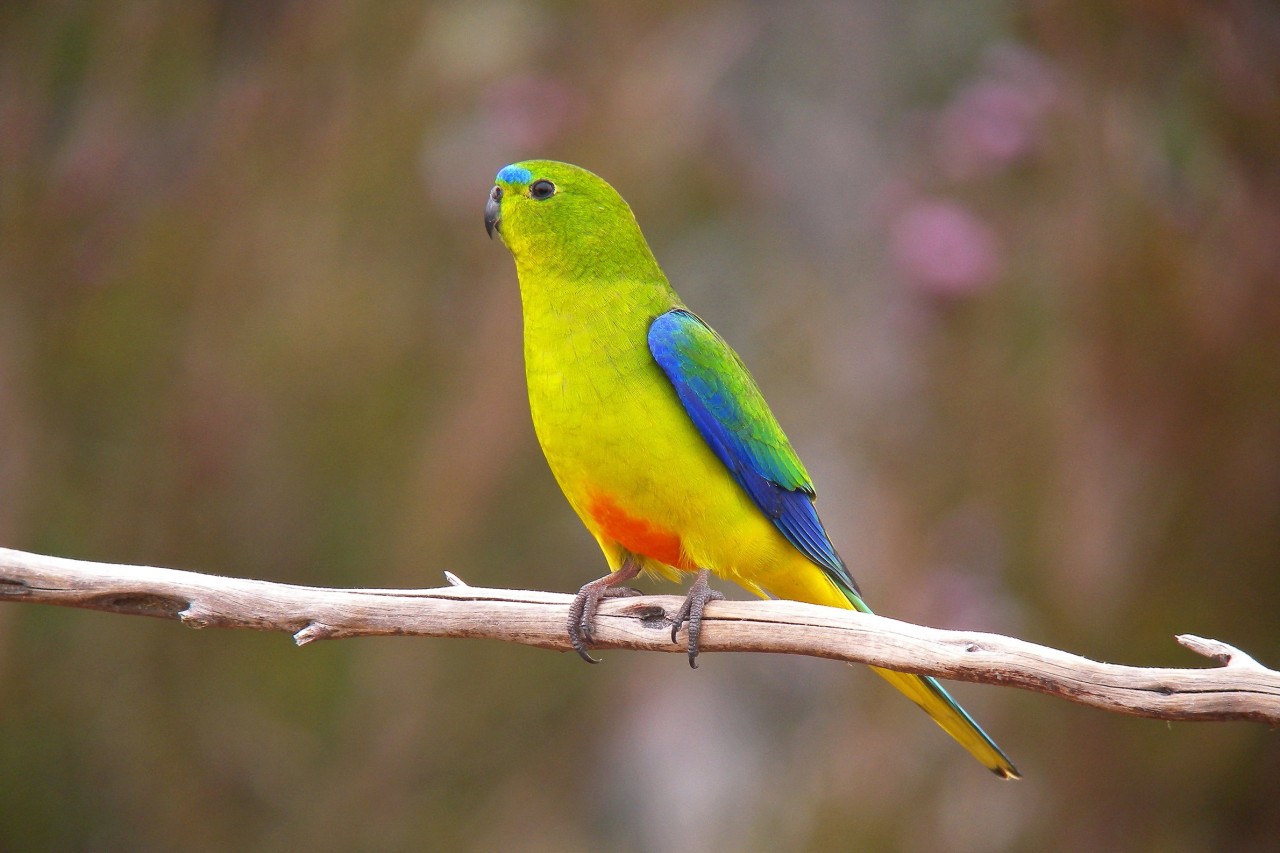
Australia is the fourth worst country in the world for species extinction, and ranks among the top three countries globally with the most severely threatened species.
Although the federal budget currently allocates 224 million dollars for the protection of these species, a new study by the University of South Australia (UniSA) has found that the public has little awareness of Australia's most threatened animal species — a factor that is most likely contributing significantly to the current extinction crisis.
Over 90 percent unaware of endangered species
The researchers surveyed more than 300 zoo visitors and other community members to assess their knowledge of seven endangered species that are at risk of extinction within the next ten years — the Tasmanian devil, Leadbeater's possum, the regent honeyeater, the helmeted honeyeater, the southern corroboree frog, the Lord Howe Island stick insect, and the orange-bellied parrot. The researchers found that over 90% of people were unaware of six of these seven species, with the exception of the iconic Tasmanian devil.
«There are large gaps in public knowledge about native Australian wildlife. Fewer than eight percent of people were able to correctly identify six out of seven endangered species from photographs,» said the study's lead author, Elisa Pearson, a conservation psychologist at UniSA.
«With the exception of the Tasmanian devil, recognised by 86% of respondents, awareness and knowledge of our endangered species is limited. There is also frequent confusion, particularly with the eastern quoll, which is often mistaken for a bilby.»
Public sympathy determines species conservation
The researchers point to a clear link between the familiarity of an animal species, its popularity, and support for species conservation, arguing that people are far more willing to donate to the preservation of Australia's iconic animals — the kangaroo, koala, and wombat — even though these are not actually endangered. The most popular Australian animals — the koala and the kangaroo — also reflect the "similarity principle," which states that people tend to prefer animals that are more similar to themselves, and that when only a limited number of species can be preserved, mammals are always favored over other species regardless of their conservation status.
"Beyond the sympathy factor, our study has shown that the ability to recognize species increases people's willingness to support their conservation — so that is an approach we need to address," said Dr. Pearson.
Insects as losers of public perception
Endangered insects are unfortunately disliked by almost 85% of people, a factor that severely threatens their survival. However, as the scientists argue, this perception could be changed through clever marketing initiatives. The problem also affects the biodiversity crisis in Europe, where lesser-known species often lose out.
"The LHI stick insect has some extraordinary characteristics, such as its resilience and survival against all odds, its ability to reproduce without males, its tendency to form large social groups during the day, or even the fact that its toe pads are heart-shaped. If people knew these facts, the sympathy factor would likely skyrocket," concluded Dr. Pearson.
The findings underscore the importance of targeted public outreach for the protection of endangered wildlife. Only when people are aware of endangered species and develop an emotional connection does the willingness to engage in their conservation grow.
More on the subject of recreational hunting: In our dossiers on recreational hunting gather fact-checks, analyses and background reports. What the research says about this is shown by Hunting fact-checked: the state of research.
The position of IG Wild beim Wild: IG Wild beim Wild rejects recreational hunting. Our model is the canton of Geneva, which has managed without recreational hunting since 1974: without hunting seasons, without hunting dogs, without driven hunts, without high seats, without the animal cruelty and crime that go hand in hand with hunting season elsewhere. What has worked there for over fifty years disproves every position paper by JagdSchweiz. An association that bases its policy on claims it refutes in its own documents is not a professional organisation, but a factory for misinformation.