Arctic crosses chemical tipping point: nitrate loss threatens the entire marine food chain
A new study by the University of Edinburgh shows that melting sea ice is permanently destroying the most important nutrient for plankton, with consequences for fish, whales and the climate.
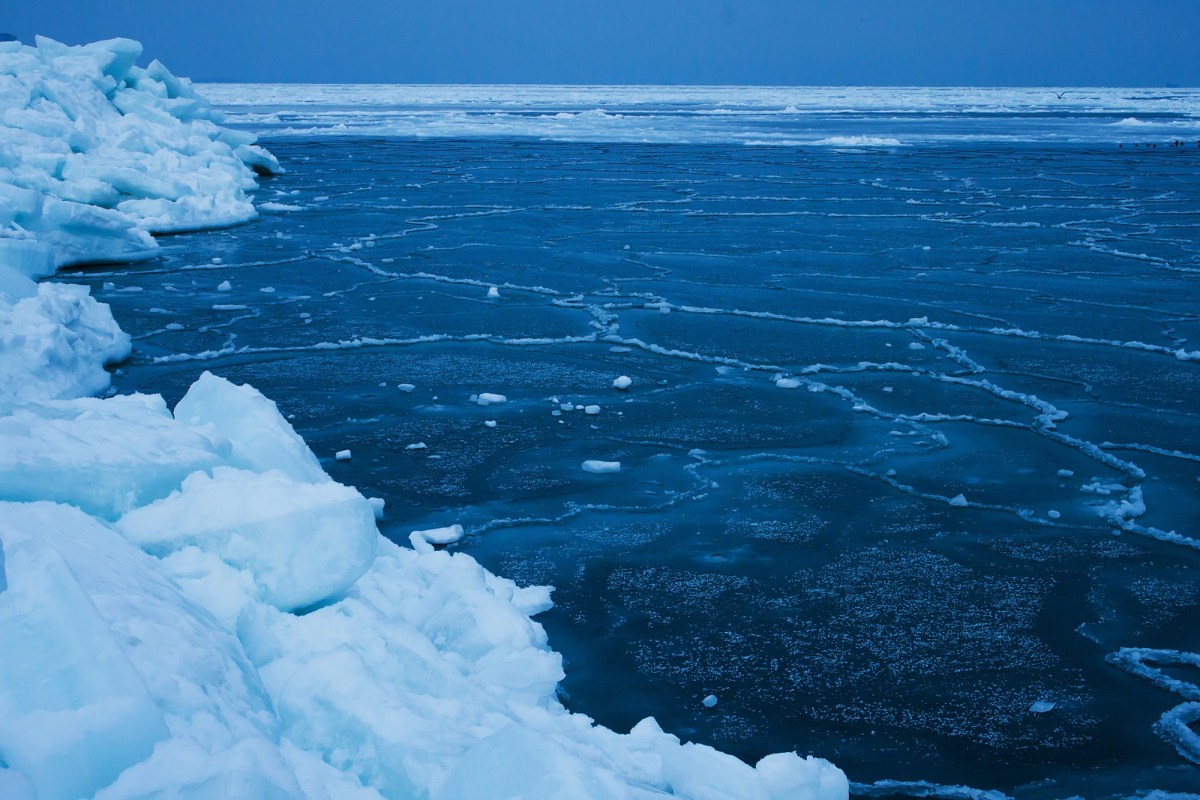
The Arctic's dwindling sea ice has apparently crossed a threshold from which there is barely any return.
This is the conclusion of a new study by the University of Edinburgh, which analysed over 20 years of measurement data from the Fram Strait, the maritime corridor between Greenland and Spitsbergen through which Arctic water flows into the Atlantic.
At the heart of the investigation is nitrate: a nutrient that is vital for plankton. Plankton, in turn, forms the basis of every marine food chain. Without sufficient plankton, fish, seabirds, seals and whales lack their food base.
More light, fewer nutrients
For a long time, researchers assumed that less ice could benefit the Arctic ecosystem: more sunlight in the water would promote algae growth. But this very effect is turning into the opposite. The measurement data show a marked change from around 2009 onwards: since then, the nitrate concentration in the water has been declining continuously, in parallel with the accelerated melting of the ice.
The mechanism behind this is known as «benthic denitrification»: larger algal blooms develop through the additional sunlight, die off and sink to the seabed. As they are broken down by microbes, oxygen is consumed. In these oxygen-poor zones, specialised microorganisms convert nitrate into nitrogen gas, which disappears permanently from the ecosystem. Shallow coastal regions, which make up almost half of the Arctic Ocean, are particularly affected.
Consequences for fish, whales and the climate
In nutrient-poor waters, smaller plankton species prevail, which provide less energy for larger animals in the food chain. In the medium term, this could severely affect fish stocks, seabirds, seals and whales in the North Atlantic, and with them commercial fishing.
Study leader Raja Ganeshram therefore speaks of a possible «tipping point» in the Arctic ecosystem. But the consequences go even further: plankton absorbs CO2 from the atmosphere as it grows. Less plankton means a weakened natural climate brake in the Arctic Ocean, precisely where climate change is already advancing fastest.
Barely reversible
What makes the study particularly worrying: as long as the sea ice continues to disappear, this development is unlikely to be reversible. The Arctic appears to be permanently transforming from a light-limited into a nutrient-limited ecosystem. That is a fundamental shift with unforeseeable consequences for wild animals, fisheries and the global climate.
Support our work
With your donation you help to protect animals and give their voice a hearing.
Donate now →More on the subject of recreational hunting: What the research says about this is shown by Hunting fact-checked: the state of research.
The position of IG Wild beim Wild: IG Wild beim Wild rejects recreational hunting. Our model is the canton of Geneva, which has managed without recreational hunting since 1974: without hunting seasons, without hunting dogs, without driven hunts, without high seats, without the animal cruelty and crime that go hand in hand with hunting season elsewhere. What has worked there for over fifty years disproves every position paper by JagdSchweiz. An association that bases its policy on claims it refutes in its own documents is not a professional organisation, but a factory for misinformation.