Appenzell Innerrhoden: Last Canton Without Wildlife Rest Zones
Appenzell Innerrhoden is the last mountain canton without wildlife rest zones. Pro Natura criticises the third attempt, as the red deer conflict is being ignored.

Third Attempt at Wildlife Protection Zones
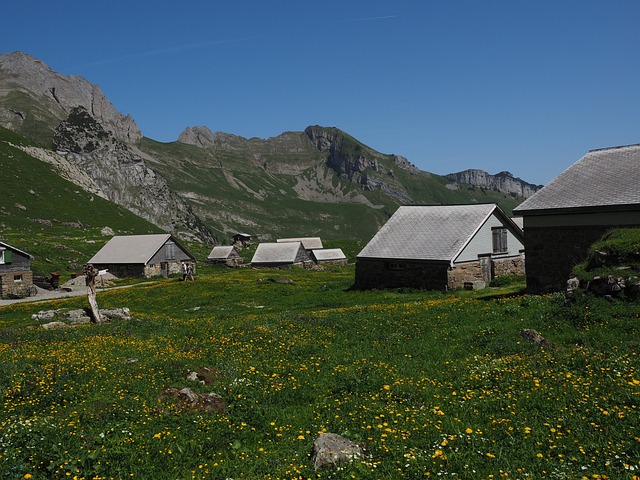
The last mountain canton without wildlife protection zones, Appenzell Innerrhoden, is making a third attempt to establish these zones.
The environmental organisation Pro Natura is criticising the latest draft, however, as the conflict between roe deer and red deer is not being taken into account. The revised version proposes three designated wildlife protection zones instead of four, omitting Sonnenhalb, which had been a source of controversy in the previous attempt. Pro Natura argues that each of the four proposed areas is important for different species, with Sonnenhalb providing an indispensable winter habitat for red deer. The organisation also criticises the inadequate implementation and communication of wildlife protection measures, pointing to the lack of documentation and information on the part of the canton.
Although Pro Natura welcomes the inclusion of Brugger Wald, Chalberer and Marwees as wildlife protection zones, it notes that the conflict between roe deer and red deer remains unresolved. The issue of tree damage caused by roe deer was addressed in a 2018 concept which, according to Pro Natura, has been insufficiently implemented. The revision of the hunting law and the establishment of the wildlife protection zones are to be discussed by the cantonal parliament in October.
For the environmental association Pro Natura, this means that a central goal of the hunting reform has been missed. Executive Director Corina Del Fabbro states that each of the four areas would be important as a sanctuary for a different animal species. In Sonnenhalb, red deer would have been given the opportunity to rest during winter and conserve their energy reserves. Del Fabbro says: “Nothing is being done for the red deer in this reform. That is unfortunate.”
When deer are repeatedly disturbed in winter, they must expend their already scarce reserves on flight. As a result, they lose weight and fall ill. And instead of foraging in the designated zones, they seek food in private forests, where they in turn damage trees. For this reason, Sonnenhalb should have been designated as a mandatory wildlife rest zone.
Corina Del Fabbro, Executive Director Pro Natura
Conflict between roe deer and red deer
The Standeskommission and Pro Natura agree that the proposed provisions offer only the absolute minimum for other species such as chamois and black grouse. The designation of the areas Brugger Wald, Chalberer and Marwees as wildlife protection zones is viewed positively; however, the conflict between roe deer and red deer remains unresolved.
A further motion from the Landsgemeinde to expand the protection status of the Brugger Wald was not taken into account in the revision of the hunting law. Pro Natura is of the opinion that the protection zone in this area should be extended in order to provide deer with a refuge during winter. According to Pro Natura, however, the proposed provisions are extremely liberal, as prohibitions and requirements apply only for a few months and the areas may still be accessed via official paths. Other cantons, by contrast, impose a complete prohibition on entry.
Pro Natura calls for a regular review of the necessity of wildlife protection zones, while the Standeskommission rejects this. Such a review requires, according to Pro Natura, continuous monitoring and defined targets for wildlife populations. Even if a species has recovered, protection cannot be lifted, as wildlife populations are subject to ongoing change. The Standeskommission, on the other hand, argues that regular reviews would constitute unnecessary bureaucracy and that the establishment of wildlife protection zones is sufficient.
With regard to the concept of red deer monitoring, both parties agree that an accurate stock assessment and surveillance are necessary to ensure long-term population recovery. Pro Natura emphasizes, however, that the current monitoring measures are insufficient to obtain a comprehensive picture of wildlife populations. It calls for enhanced cooperation between the canton and environmental organizations in order to improve the data situation and enable well-founded decisions to be made.
Another point raised by Pro Natura is the lack of public involvement in the decision-making process. The organisation emphasises that comprehensive information for citizens about the necessity and benefits of wildlife sanctuaries is of great importance. Only through active participation and public awareness can successful protection of animal species be ensured.
In conclusion, it should be noted that the third attempt to establish wildlife sanctuaries in Appenzell Innerrhoden continues to face criticism. Both Pro Natura and the Standeskommission hold differing views and proposals for resolving the conflict between roe deer and red deer and ensuring sustainable protection of animal species. It remains to be seen how the Grosse Rat will decide in October on the revision of the hunting law and the establishment of wildlife sanctuaries. More on the topic Switzerland and Species protection.
| You can help all animals and our planet with compassion. Choose mercy on your plate and in your glass. Go vegan. |
More on the subject of recreational hunting: In the dossier The Role and Criticism of Recreational Hunters we shed light on the training, power and self-image of recreational hunters. What the research says about this is shown by Hunting fact-checked: the state of research.
The position of IG Wild beim Wild: IG Wild beim Wild rejects recreational hunting. Our model is the canton of Geneva, which has managed without recreational hunting since 1974: without hunting seasons, without hunting dogs, without driven hunts, without high seats, without the animal cruelty and crime that go hand in hand with hunting season elsewhere. What has worked there for over fifty years disproves every position paper by JagdSchweiz. An association that bases its policy on claims it refutes in its own documents is not a professional organisation, but a factory for misinformation.