Anyone still hunting foxes now is not hunting ethically
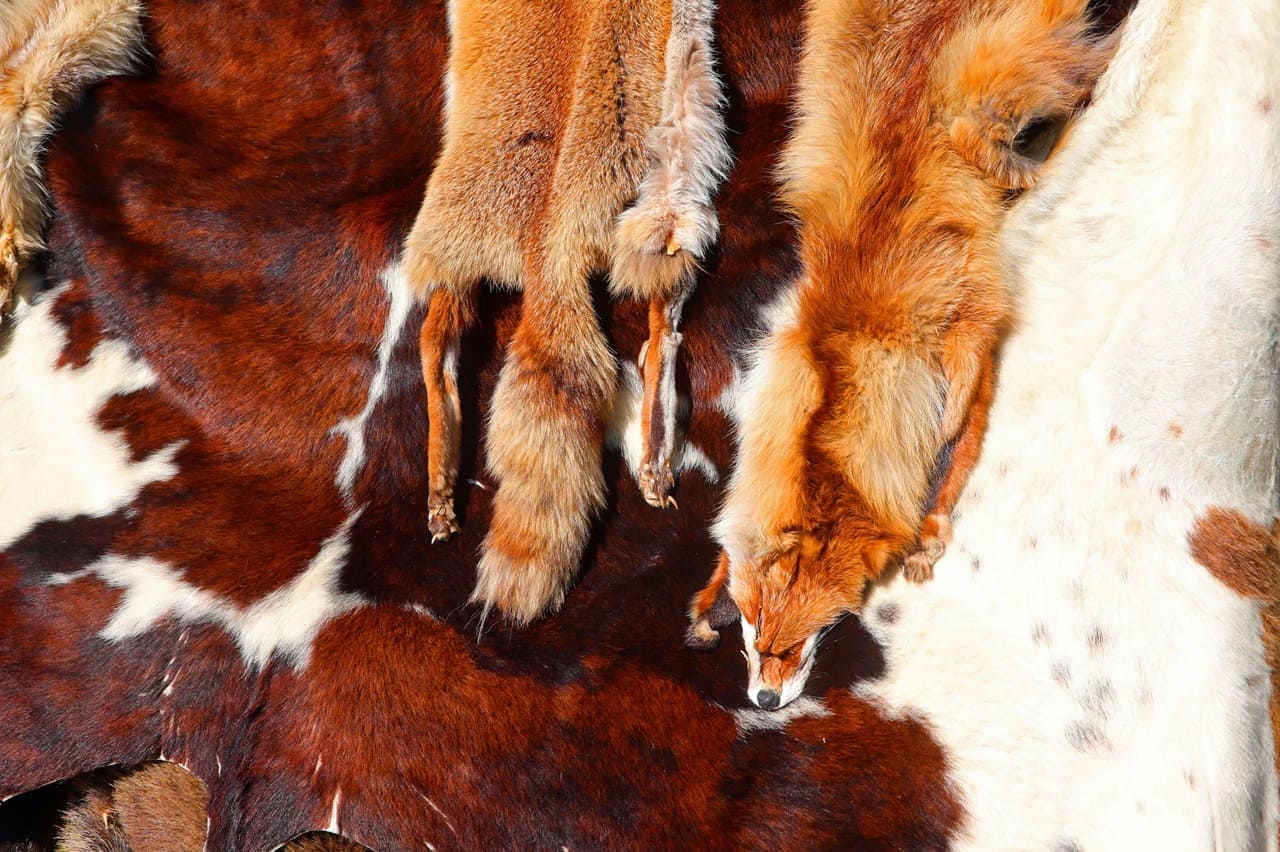
In Switzerland too, foxes are huntable in many cantons until 1 March.


While the first fox cubs are being brought into wildlife rescue stations, hunting associations are organising their fox weeks and driven hunts across the country by the light of the full moon.
The aim of these cross-territory hunts is — including through the involvement of many hobby hunters who do not even know these territories — to kill as many foxes and other so-called «vermin» as possible.
With the onset of the mating season from the end of November, the hunting toll very likely already includes pregnant vixens and, regularly, male foxes. These then fail to fulfil their role as primary providers for the young fox families. During night watches from mid-January in particular, there is a significant risk of confusing the vixen with a young fox and ultimately killing a parent animal that is indispensable for rearing the cubs. At the latest from the beginning of the fox whelping season, this constitutes a criminal offence under the Federal Hunting Act.
Hunters and hunting associations like to pride themselves on hunting «ethically». Ethical hunting means not only complying with the law, but above all always following the unwritten rules of hunting. In its 2000 position paper on ethical hunting, the German Hunting Association states that the unwritten rules cover the area in which hunting behaviour is to be rejected on hunting-ethical grounds according to generally accepted opinion. It then goes on to say:
In any case, by no means everything is permitted that is not expressly prohibited. On the contrary, the principles of ethical hunting demand self-restraint on the part of the hunter.
This hunting ethic does not appear to apply to the fox. Here, hobby hunters, hunting associations, and legislators themselves sanction the killing of parent animals necessary for raising young. «We therefore call on the responsible ministries at the federal and state levels to immediately guarantee the protection of parent animals during the mating season and the period of raising young through appropriate laws or closed seasons. The existing «parental protection» under Section 22, Paragraph 4 of the Federal Hunting Act has proven inadequate for this purpose», explains Lovis Kauertz, Chairman of Wildtierschutz Deutschland.«It cannot be that the legislator subordinates itself to such a degree to the dogma of hunters’ lobby organizations that not even this minimum standard of animal welfare applies to foxes and other predators.»
- Petition «No hunting of fox parents»: http://chng.it/wM7VKdLXSv
- Why we advocate for foxes: https://www.wildtierschutz-deutschland.de/fuchs
- Notes on fox hunting, references: https://tinyurl.com/fuchs20
Update 2025
Since 2020, the body of evidence has sharpened further. Wildlife biology now explicitly calls for evidence-based fox management and concludes that conventional recreational hunting does not effectively regulate the red fox population. Instead, new non-lethal management concepts and the protection of habitats are identified as the central levers.
Experience from regions free of fox hunting, such as Luxembourg, confirms this in practice. There, the fox has no longer been a huntable species since 2015. There was neither a mass population explosion nor an increase in disease outbreaks; on the contrary, the infestation rate with the fox tapeworm declined significantly following the hunting ban. Comparable observations from hunting-free or fox-hunting-free areas in Switzerland and Germany likewise show stable ecological conditions without recreational hunting.
In parallel, a new legal assessment has been presented. The German Legal Society for Animal Protection Law concludes in its opinion on fox hunting that, under current conditions, the “reasonable grounds” required by animal welfare legislation are routinely absent, and that fox hunting conducted in accordance with animal welfare standards is conceivable only in narrowly defined exceptional cases at most. Hunting of foxes is thus categorized as an expression of an outdated understanding of hunting and criticized as being practically incompatible with the constitutional objective of animal protection.
In Switzerland, the revised hunting law comes into force in 2025, officially targeting the wolf above all, while further fuelling the fundamental debate on how to deal with predators. At the same time, current analyses and press releases from IG Wild beim Wild show that around 10’000 small-game hunters kill tens of thousands of foxes and other predators each year, without any demonstrable ecological benefit and under circumstances that are clearly problematic under animal welfare law. Positive counter-examples, such as the hunting-free canton of Geneva and the ban on fox hunting in Luxembourg, are given particular prominence.
Overall, the state of science, practice and animal welfare law in 2025 clearly confirms the core finding of the original article. Anyone still hunting foxes as part of recreational hunting today is acting neither ecologically nor in accordance with sound hunting ethics, and is increasingly at odds with modern animal welfare standards.
Dossiers: The Fox in Switzerland: The Most Hunted Predator Without a Lobby | Fox Hunting Without Facts: How JagdSchweiz Invents Problems