Anunnaki: The Gods of the Sumerians
In Sumerian mythology, the Anunnaki are regarded as powerful gods. Their story continues to fascinate and inspire to this day.

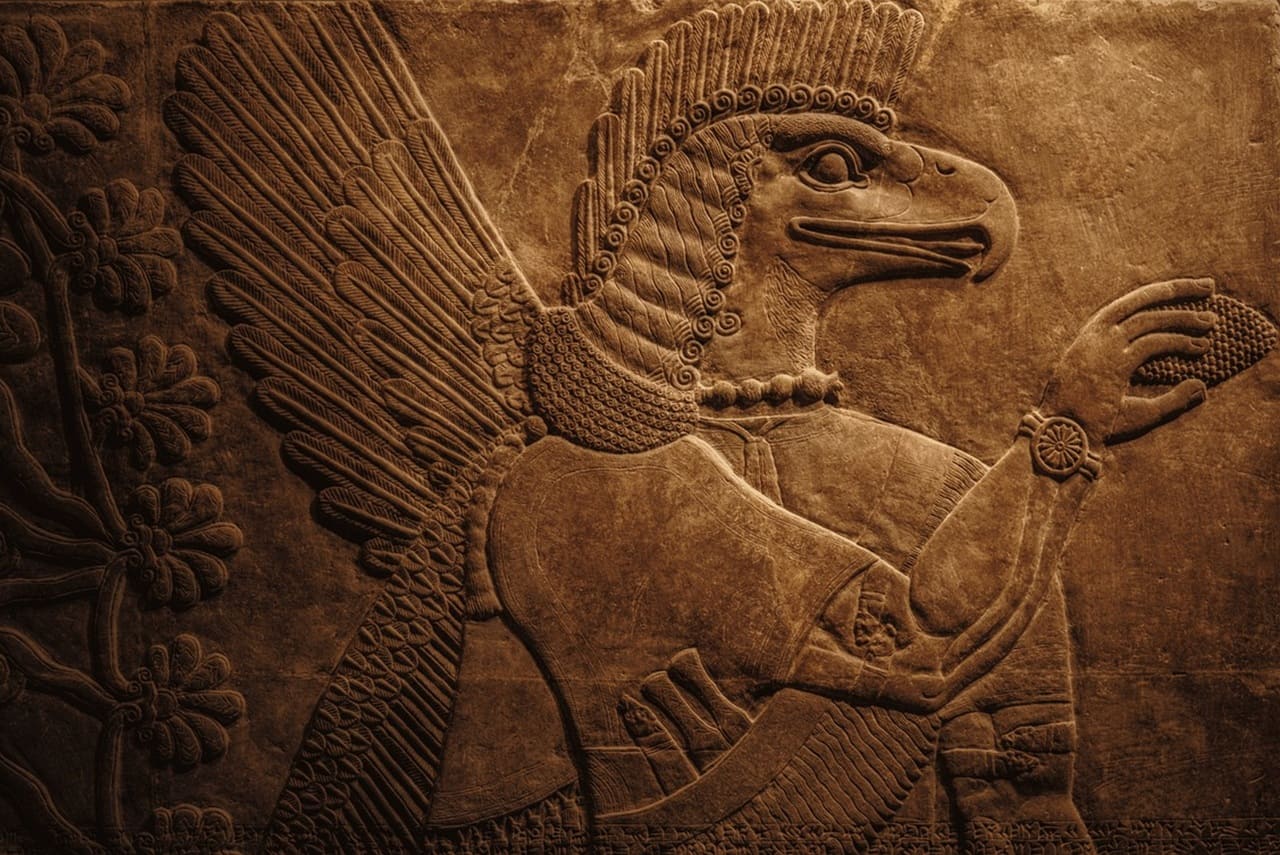
The Anunnaki are a fascinating group in Sumerian mythology, offering us a glimpse into the worldview and religious beliefs of ancient Mesopotamia.
Sumerian culture, which emerged around the 4th millennium BC in what is now Iraq, left behind a wealth of mythological narratives that reflect the Sumerians' perspective on creation and the relationship between the gods and humankind.
In Sumerian texts, the Anunnaki are portrayed as a group of gods who descended from the heavens to earth. They were often described as powerful beings who held dominion over certain aspects of human life and nature. The Anunnaki were regarded as the children of the supreme god Anu and occupied a prominent role in Sumerian mythology.
One of the most well-known Sumerian narratives involving the Anunnaki is the Epic of Gilgamesh. In this mythological work, the semi-divine king Gilgamesh plays a central role and encounters the Anunnaki in various situations. The stories surrounding Gilgamesh and his meetings with the gods illustrate the significance of the Anunnaki in Sumerian culture and their role in shaping human existence.
Modern speculation about the Anunnaki as extraterrestrial beings often draws on misunderstood or out-of-context interpretations of ancient writings and legends. The belief that the Anunnaki were in fact extraterrestrial visitors who influenced human development is part of an alternative history theory that has gained popularity in recent decades.
The Anunnaki are also frequently regarded as the creators of humanity. Some Sumerian texts describe how the Anunnaki fashioned humans from clay and granted them the gift of consciousness. This idea reflects the belief that our existence depends on supernatural forces and that there is a deeper purpose to our being.
It is interesting to note that the idea of extraterrestrial influences on human development is not limited to Sumerian culture. Similar concepts can be found in other ancient cultures around the world. This could suggest that humans have always sought answers about their origins and their relationship to higher powers.
In modern research, the stories surrounding the Anunnaki are often interpreted metaphorically, as a way of conveying complex philosophical and religious ideas. They serve as a mirror for the human experience and seek to remind us that we are part of a greater cosmic order.
Although the mythology of the Anunnaki is fascinating and offers an insight into the thinking and culture of the ancient Sumerians, it is important to view it in the proper context. It is a story passed down through generations, representing the worldview of a long-bygone era. It remains a source of inspiration and reflection on the fundamental questions of our existence.
More on the subject of recreational hunting: The scientific evidence is presented in the overview Studies on the Effects of Recreational Hunting.
The position of IG Wild beim Wild: IG Wild beim Wild rejects recreational hunting. Our model is the canton of Geneva, which has managed without recreational hunting since 1974: without hunting seasons, without hunting dogs, without driven hunts, without high seats, without the animal cruelty and crime that go hand in hand with hunting season elsewhere. What has worked there for over fifty years disproves every position paper by JagdSchweiz. An association that bases its policy on claims it refutes in its own documents is not a professional organisation, but a factory for misinformation.