Animal rights groups call for a worldwide ban on fur farms
The goal is to prevent future Covid-like epidemics.

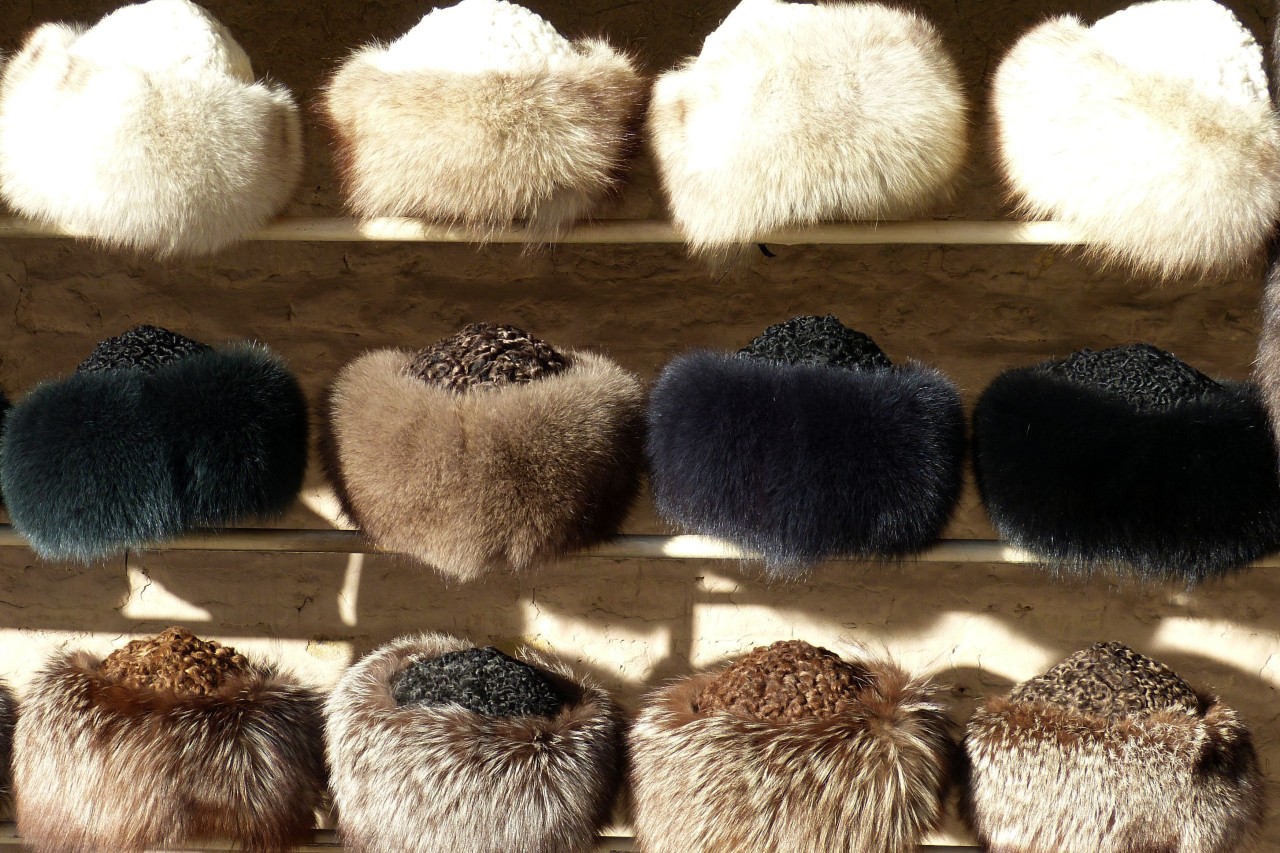
Ahead of the G7 meeting, governments around the world were urged to agree to a permanent and global end to fur farming in order to prevent future epidemics of pandemics such as SARS-CoV-2.
In India, animal welfare NGOs wrote to Prime Minister Narendra Modi with a comprehensive white paper on fur farms and zoonotic diseases, urging him to protect public and human health by supporting a worldwide ban on fur farming.
HSI in Australia, Canada, Germany, Italy, South Africa, the United Kingdom and the United States also appealed to their respective governments. HSI's global appeal to the world's leading politicians follows more than 400 outbreaks of SARS-CoV-2 on mink farms in the Netherlands, Denmark, Poland, Lithuania, Greece, Spain, Sweden, France, Italy, Latvia, the United States and Canada, with the most recent outbreak in Canada last month.
Factory fur farming not only causes physical and psychological suffering to millions of animals, including minks, foxes and raccoon dogs, but also poses a very real risk to public health. On fur farms, these wild animals are exploited under inhumane, unhygienic and overcrowded conditions, solely to produce frivolous fur fashion items.
Alokparna Sengupta, Managing Director, HSI India.
„At a time when millions of Indian citizens are suffering terribly under the current Covid-19 pandemic, such unnecessary health risks for vanity products simply cannot be tolerated.Mink farms in particular have been identified as potential reservoirs for the coronavirus. We therefore call on the Indian government, which represents us as host country at the G7, to take a global lead and urge all nations to put an end to the cruel and dangerous practice of fur farming.”
While countries such as the Netherlands and Hungary have taken decisive measures to halt mink fur farming within their jurisdictions, and 13 countries worldwide have banned fur farming altogether, tens of millions of mink, foxes, and raccoon dogs — all species susceptible to Covid-19 — continue to be intensively bred on fur farms in Europe, China, Russia, and North America.
Whole-genome sequencing studies have found that at least 66 people working on mink farms were infected with SARS-CoV-2 in rare but alarming cases of animal-to-human disease transmission.Furthermore, it has been shown that infection in mink can lead to advanced protein mutations that, if transmitted to the human population, could potentially undermine the effectiveness of life-saving vaccines.
Images from fur farms in countries around the world repeatedly reveal evidence of poor animal welfare conditions.According to HSI, the fur industry's certification programmes do not substantially improve animal welfare and fail to adequately address the risk of disease.
More on the subject of recreational hunting: What the research says about this is shown by Hunting fact-checked: the state of research.
The position of IG Wild beim Wild: IG Wild beim Wild rejects recreational hunting. Our model is the canton of Geneva, which has managed without recreational hunting since 1974: without hunting seasons, without hunting dogs, without driven hunts, without high seats, without the animal cruelty and crime that go hand in hand with hunting season elsewhere. What has worked there for over fifty years disproves every position paper by JagdSchweiz. An association that bases its policy on claims it refutes in its own documents is not a professional organisation, but a factory for misinformation.