Animal welfare at the holiday destination
Animals in holiday countries are often kept and treated differently from what we Central Europeans are used to.


Covid measures are being eased, and travel abroad is possible again.
Those who make use of their newly regained freedoms and travel abroad will encounter animal suffering at many holiday destinations. Dogs and cats roam through the holiday paradise. Animals are offered for sale at markets. Wild animals serve as tourist attractions and photo subjects, animal shows and competitions promise fun and thrills. Travellers who are mindful of animals are critical of animal cruelty at holiday destinations, do not support businesses based on animal suffering, and do not bring animals home from abroad.
«When you go on a trip, you can experience all sorts of things» – and many a traveller also wants to «experiencesomething with animals» or taste exotic «delicacies». Excursions to dolphinariums, a romantic carriage ride or a beach ride on horseback, souvenir photos with baby animals, deep-sea fishing, petting big cats, and turtle soup for dinner. Travelling responsibly means: not taking part in activities that cause animal suffering and avoiding holiday destinations where money is made from cruelty to animals. Unscrupulous profiteers know very well what they can use to lure tourists. They deliberately accept the mistreatment of animals. Anyone who lets themselves be tempted and joins in is financing animal cruelty.

Animal welfare at the holiday destination 
Animal welfare at the holiday destination 
Animal welfare at the holiday destination 
Animal welfare at the holiday destination 
Animal welfare at the holiday destination 
Animal welfare at the holiday destination



Animal souvenirs
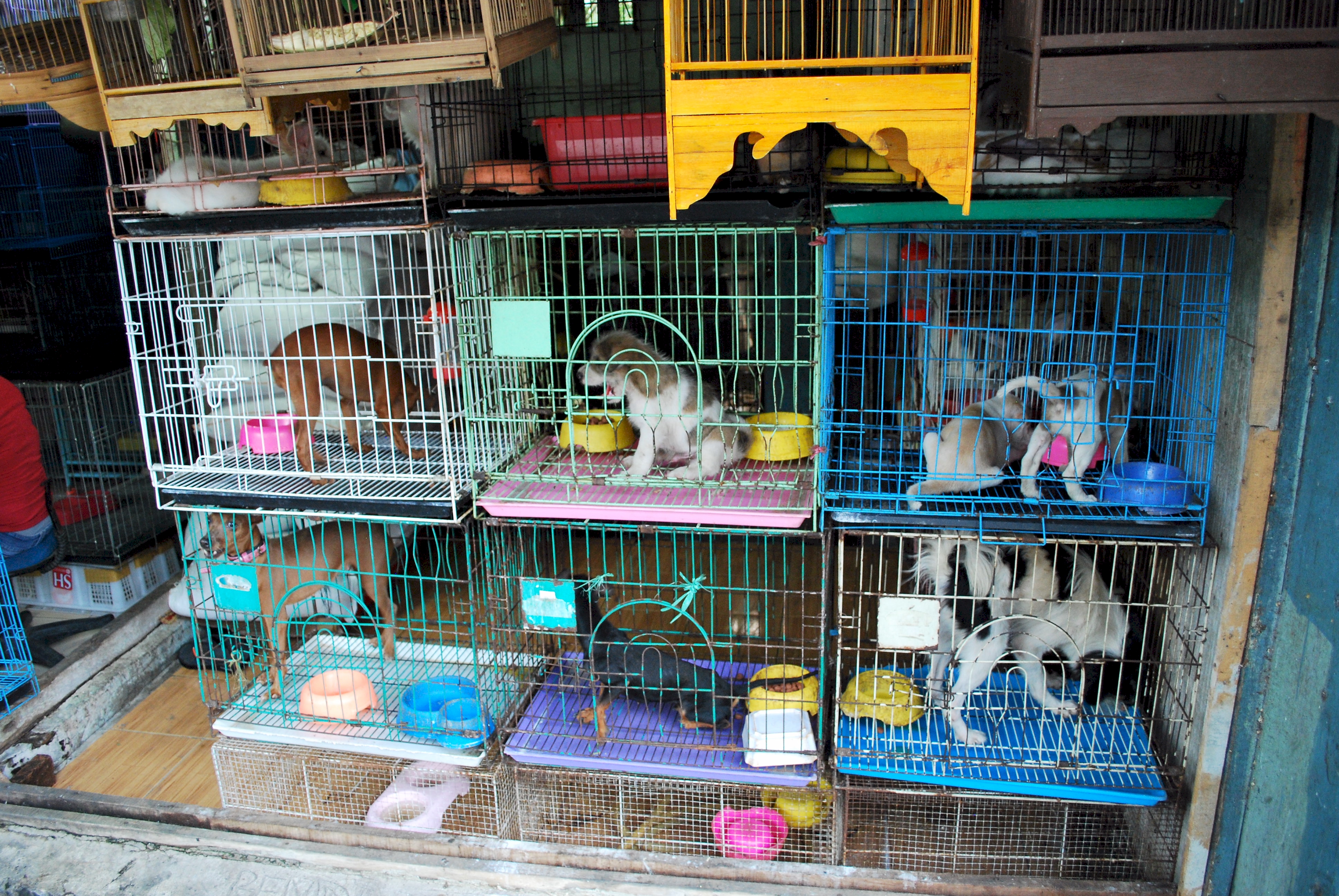
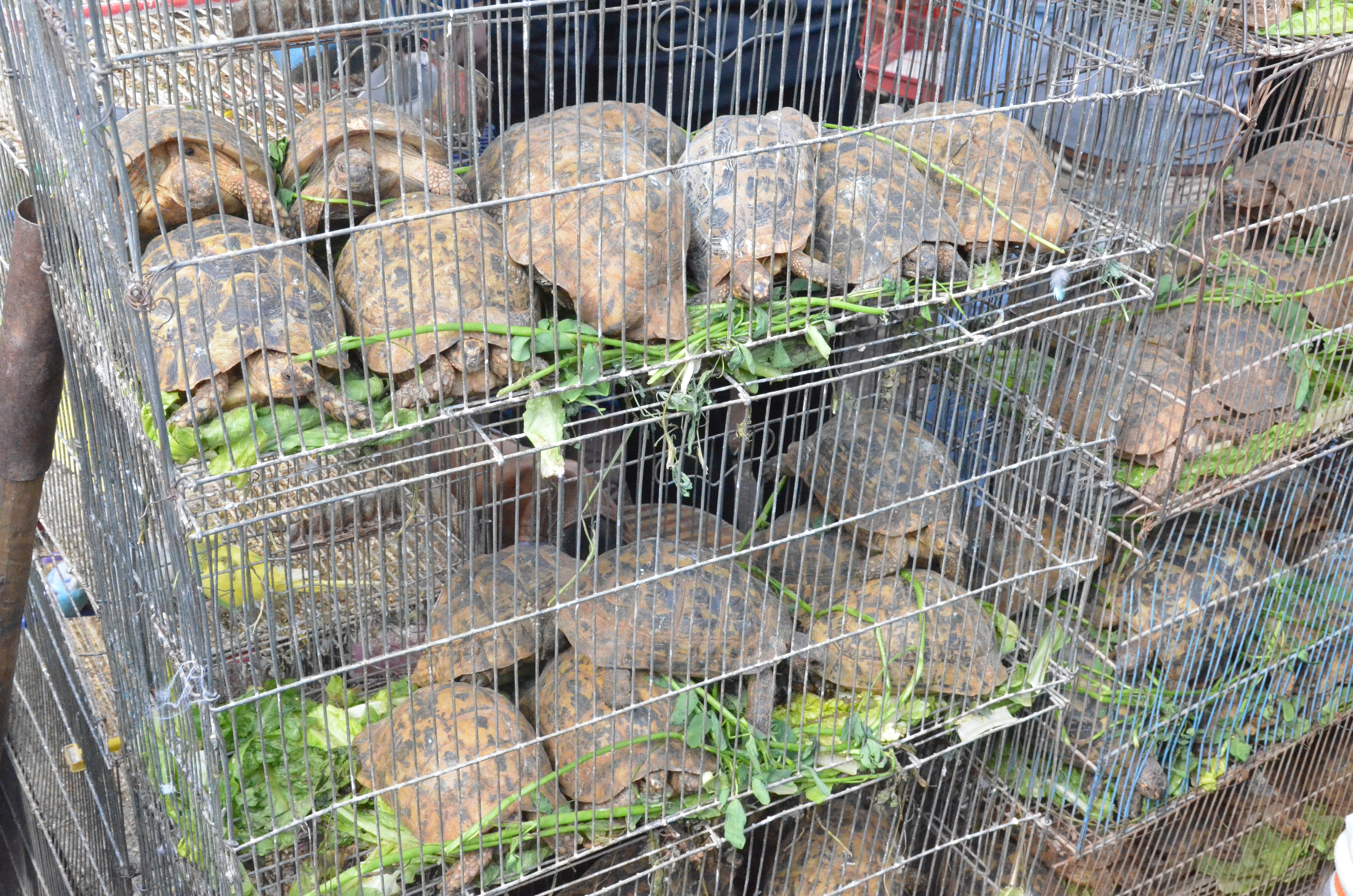
Many holiday destinations surprise tourists from Central Europe with colourful markets. Animals are sold there too. They are often crammed into small cages and in a pitiful condition. Nevertheless, it would be wrong to purchase such an animal out of a moment of sympathy, with the argument «It looks so sweet…». That does not solve the problem. Because new animals are immediately «producedproduziert» and the trade in animals as commodities really gets into full swing.
Near hotels and beaches, but also in the middle of cities, many holiday destinations are teeming with stray animals. Animal lovers are easily tempted to feed these neglected creatures or even to take them home. But when it comes to dealing with stray animals, compassion is not a good guide. Strays that become accustomed to handouts suffer all the more when the holiday season is over and well-meaning tourists depart. Taking dogs or cats back to Switzerland — animals that can often no longer be adequately socialised or accustomed to life with humans — is equally no solution. And if all the required documents are not in order (pet passport, valid vaccination records), a legal border crossing is not possible in any case. Anyone who wants to help in a meaningful way should contact local animal welfare organisations and support their work on the ground.
Comprehensive information — from holiday planning and travelling with animals to animal welfare at your destination — is available from the Swiss Animal Protection STS online at www.tierschutz.com/ferien.
Added value:
More on the subject of recreational hunting: In our dossiers on recreational hunting gather fact-checks, analyses and background reports. The scientific evidence is presented in the overview Studies on the Effects of Recreational Hunting.
The position of IG Wild beim Wild: IG Wild beim Wild rejects recreational hunting. Our model is the canton of Geneva, which has managed without recreational hunting since 1974: without hunting seasons, without hunting dogs, without driven hunts, without high seats, without the animal cruelty and crime that go hand in hand with hunting season elsewhere. What has worked there for over fifty years disproves every position paper by JagdSchweiz. An association that bases its policy on claims it refutes in its own documents is not a professional organisation, but a factory for misinformation.