Agricultural lobby wanted to censor vegan products
The EU agricultural lobby wanted to ban descriptions such as «milk alternative» for plant-based products. The EU Parliament stopped the proposal.

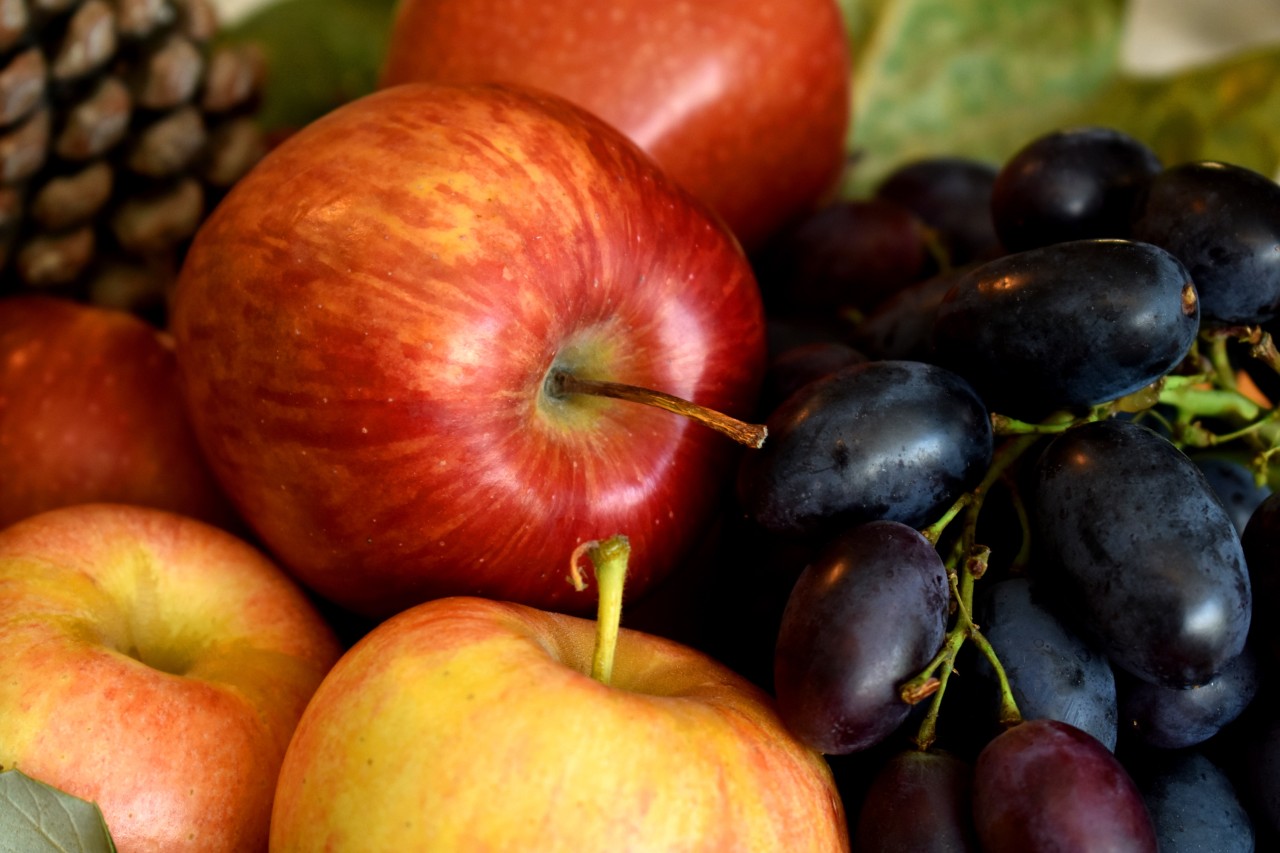
After the terms “milk” and “cheese” had already been banned for plant-based alternatives to dairy products, an EU amendment sought to extend these restrictions even further.
Amendment 171, adopted in 2020 by a majority of the EU Parliament, proposed banning descriptive terms such as “milk alternative” or “vegan alternative to yoghurt” among others. On 21 May 2021, it was discussed during trilogue negotiations between the European Commission, the Council of the European Union, and the European Parliament, and Parliament withdrew it. PETA criticised the fact that there was any debate at all about terms for environmentally friendly vegan foods. The animal rights organisation is now calling on the European Union to instead focus on and prohibit the misleading advertising of the animal-exploiting industry.
The dairy lobby frequently advertises with images of apparently happy cows in green meadows, while the animals are mostly confined to barns, artificially inseminated against their will, and their young taken from them shortly after birth. Against this backdrop, it is almost cynical that agricultural associations from the dairy industry justify the planned ban on useful terms for vegan products with ‘consumer deception’. The amendment was just another attempt by the dairy lobby to slow the rapid growth of the vegan product market through absurd prohibitions.
Bettina Eick, PETA’s specialist adviser on nutrition
Had the EU institutions agreed to the amendment, even scientifically substantiated statements such as “half the CO2 emissions of butter" as well as visually depicted milk foam on vegan packaging would no longer have been permitted. Even important allergen information, such as "lactose-free", would have been removed.
The suffering of cows in the dairy industry
Just like women, cows are typically pregnant for nine months. After giving birth, cows produce milk for around ten months in quantities that are economically viable for the respective agricultural operation. To keep milk flow consistently high and therefore profitable, they are forcibly artificially inseminated every year. In so-called calf hutches, the young animals are usually fed unnatural substitute nutrition: male calves are frequently killed in the slaughterhouse after just a few months and sold as veal. Or they are sold abroad for cheaper fattening, forcing them to endure agonising transport journeys. Female animals, on the other hand, are exploited for the industry — just like their mothers. Once their bodies are worn out and their “milk yield” declines after around five years, they too are killed in the slaughterhouse — often with inadequate anaesthesia. Their natural life expectancy is around 20 years.
From an environmental perspective, milk has a devastating track record
The production of animal products is one of the main causes of climate change — and rainforests are cleared to provide grazing land and feed for the exploited animals. One litre of cow's milk requires twelve times more land use than the same quantity of plant-based milk and causes three times as many greenhouse gas emissions. Butter is even considered the most climate-damaging food of all. In addition, the animals emit methane gas, which is even more harmful to the climate than CO2. According to the United Nations, a global shift to a vegan diet is necessary to counteract the worst effects of climate change. Studies show that even a largely plant-based diet could reduce food-related greenhouse gas emissions worldwide by 70 percent by 2050.
More on the subject of recreational hunting: The scientific evidence is presented in the overview Studies on the Effects of Recreational Hunting.
The position of IG Wild beim Wild: IG Wild beim Wild rejects recreational hunting. Our model is the canton of Geneva, which has managed without recreational hunting since 1974: without hunting seasons, without hunting dogs, without driven hunts, without high seats, without the animal cruelty and crime that go hand in hand with hunting season elsewhere. What has worked there for over fifty years disproves every position paper by JagdSchweiz. An association that bases its policy on claims it refutes in its own documents is not a professional organisation, but a factory for misinformation.