A Year at the Tree: What Wildlife Really Needs
A man placed a hidden camera on an inconspicuous beech tree in the Parco Nazionale d'Abruzzo in Italy and let it run for 365 days.


What the camera captured is far more than nature documentary.
It is quiet, compelling evidence that wildlife are not “stocks” to be managed, but sentient, social beings within a complex, self-regulating ecosystem.
The beech tree stands at the junction of two valleys near Pescasseroli, in the heart of one of Europe’s oldest beech forests — a site now considered a UNESCO World Heritage candidate. Here, where human interference is minimal, one can witness how wildlife coexist in a natural equilibrium.
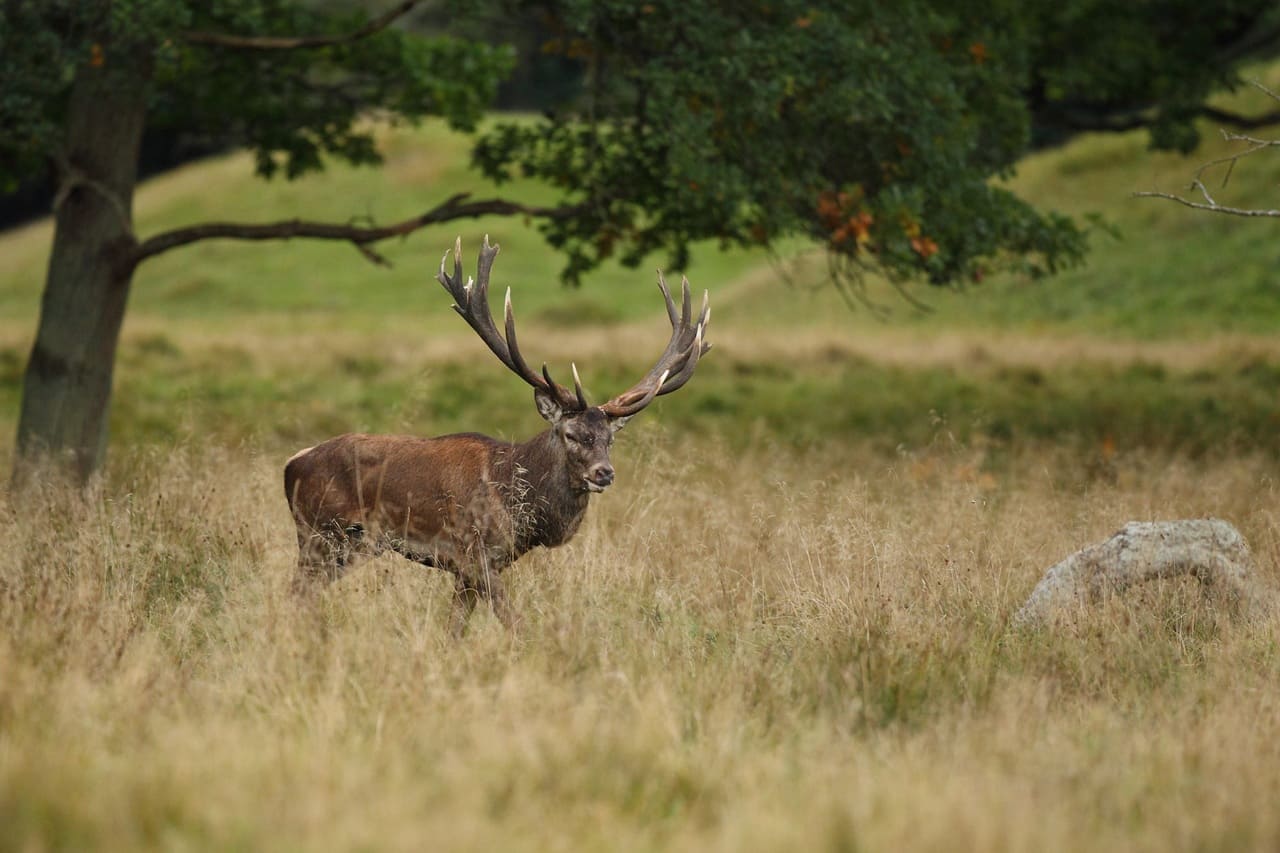
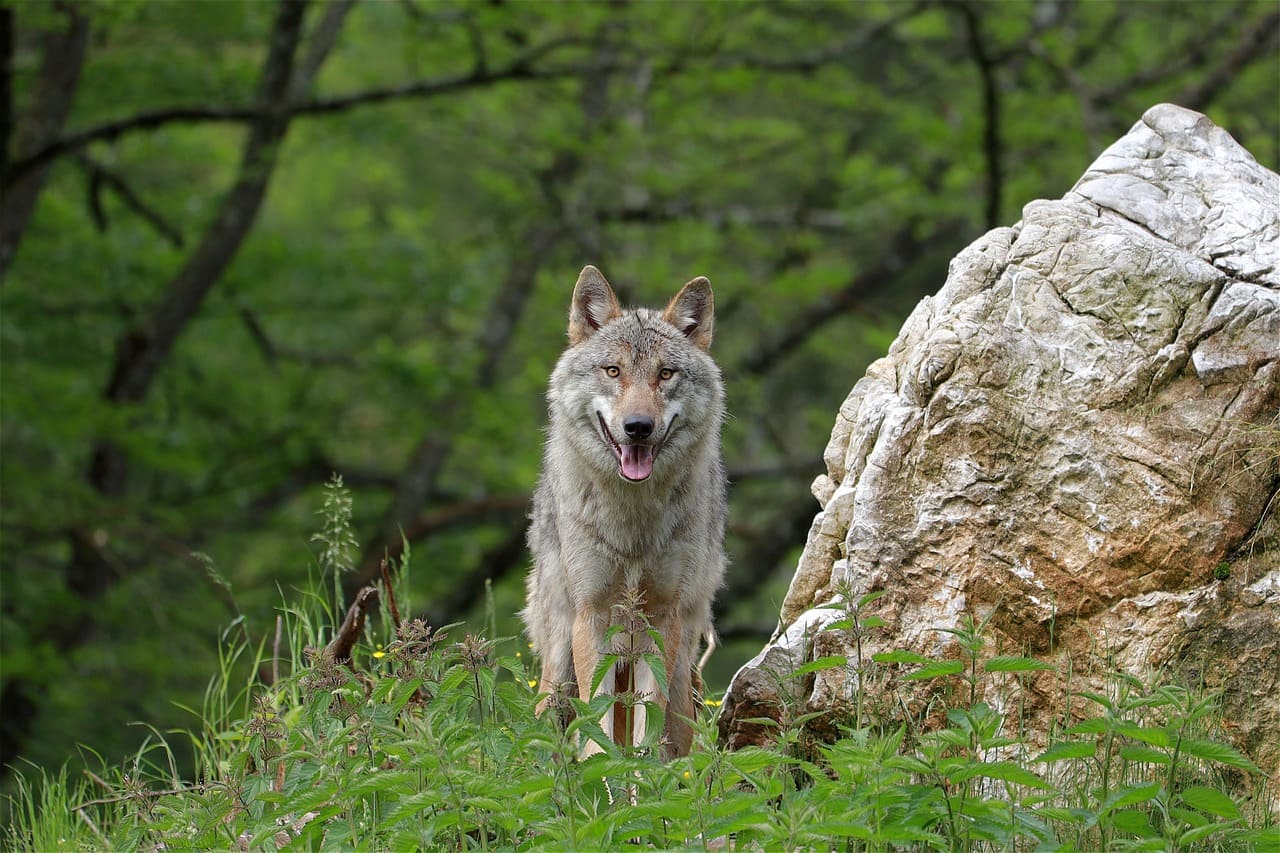
Before the camera appear deer, badgers, wild boar, foxes, wolves, and even a bear. They come, sniff, mark, and move on. No chaos, no overpopulation, no “pest species”. Only the ordered, quiet coexistence of a community that has regulated itself for thousands of years.
These recordings reveal what the recreational hunting lobby has concealed for decades: nature does not need recreational hunters. It functions best where humans leave it alone. Every scent, every scratch on the bark is part of a communication system that operates perfectly without human control.
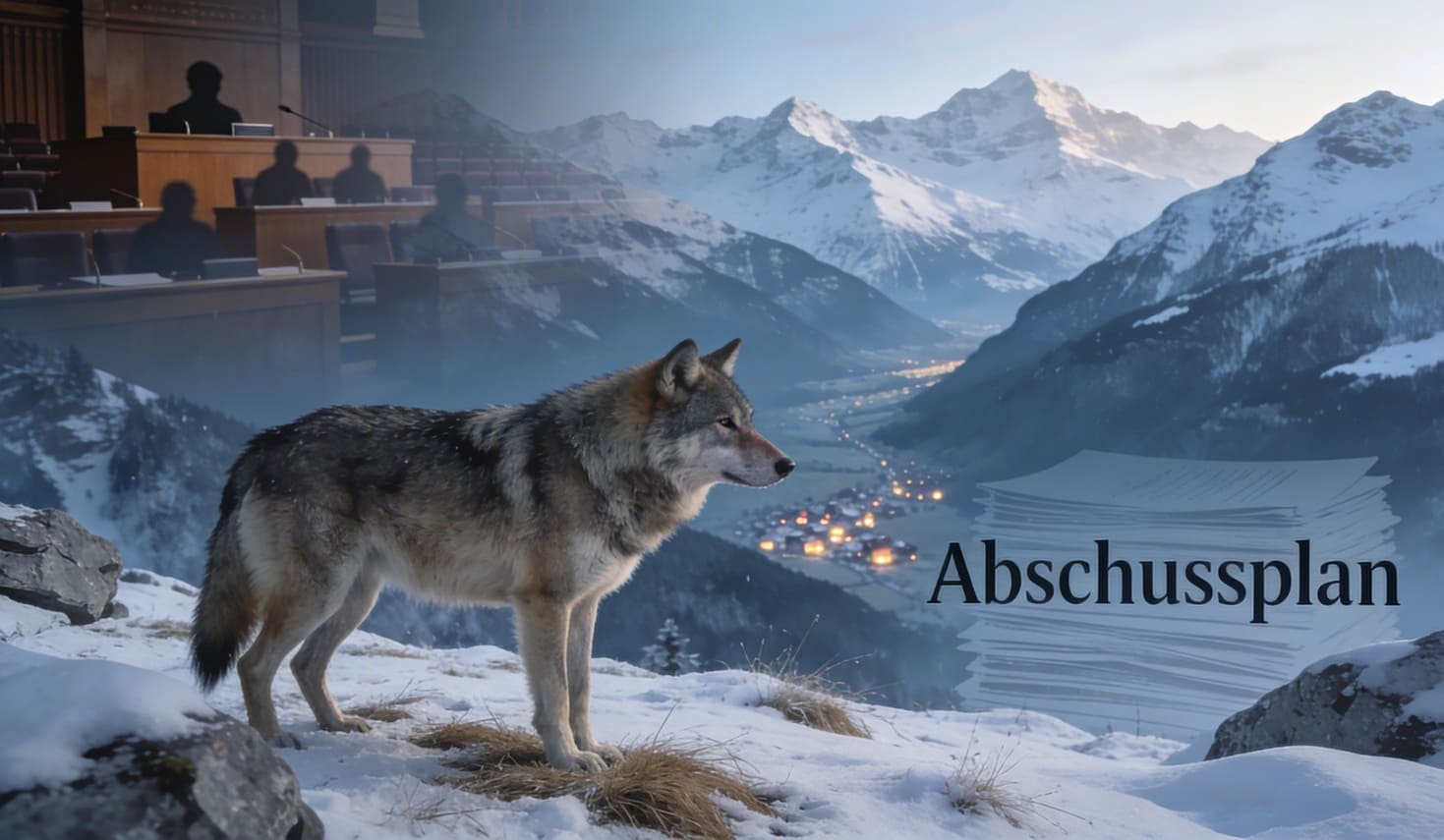
In Italy, as in Switzerland or Germany, wildlife are often blamed for “damage” — to trees, fields, or road safety. Yet those who look closely will recognise: the real problem is not the wildlife. It is the recreational hunter who, through hunting, habitat fragmentation, and agricultural monocultures, destroys the balance that animals such as the wolf, bear, and deer have maintained for thousands of years.
The video of the beech tree is therefore more than a nature film. It is a quiet protest. A call to look carefully — and finally to stop shooting where one should, in fact, be filled with wonder.
More on the subject of recreational hunting: In our dossiers on recreational hunting gather fact-checks, analyses and background reports. The scientific evidence is presented in the overview Studies on the Effects of Recreational Hunting.
The position of IG Wild beim Wild: IG Wild beim Wild rejects recreational hunting. Our model is the canton of Geneva, which has managed without recreational hunting since 1974: without hunting seasons, without hunting dogs, without driven hunts, without high seats, without the animal cruelty and crime that go hand in hand with hunting season elsewhere. What has worked there for over fifty years disproves every position paper by JagdSchweiz. An association that bases its policy on claims it refutes in its own documents is not a professional organisation, but a factory for misinformation.