50 Years of Lynx in Switzerland: A Success Story
50 years ago, the lynx returned to Switzerland. Both populations are considered highly endangered. Switzerland bears a special responsibility.


Today marks the 50th anniversary of the lynx's return to Switzerland.
In past centuries, the Eurasian lynx was heavily persecuted and in many places even exterminated. In Europe, it survived only in small numbers in remote regions, such as Scandinavia, the Carpathians, and the Balkans. Since 1962, the lynx has been protected in Switzerland by the Hunting Act.
The Return in 1971
On 23 April 1971, a pair of lynxes was released in the canton of Obwalden, in the federal wildlife sanctuary “Hutstock” in the Melchtal.
The lynxes were wild-caught animals from the Slovak Carpathians, brought to Switzerland via Zoo Ostrava and Basel Zoo. The reintroduction of the lynx was based on a Federal Council resolution of 18 August 1967 and, at the request of the then cantonal forest warden Leo Lienert, with the approval of the Obwalden government.
The first release in the Melchtal was the beginning of further official and unofficial releases in the Swiss Alpine region and the Jura. In the northwestern Alps and the Jura, local lynx populations became established in the decades that followed.
Population and Threat Status
Two thirds of the lynxes live in the Alps, one third in the Jura. To strengthen the Alpine population, several individuals from the Jura and the northwestern Alps were successfully relocated to northeastern Switzerland between 2001 and 2008. Both the Alpine population and the Jura population in Switzerland are considered highly endangered.
Important Role as Predators
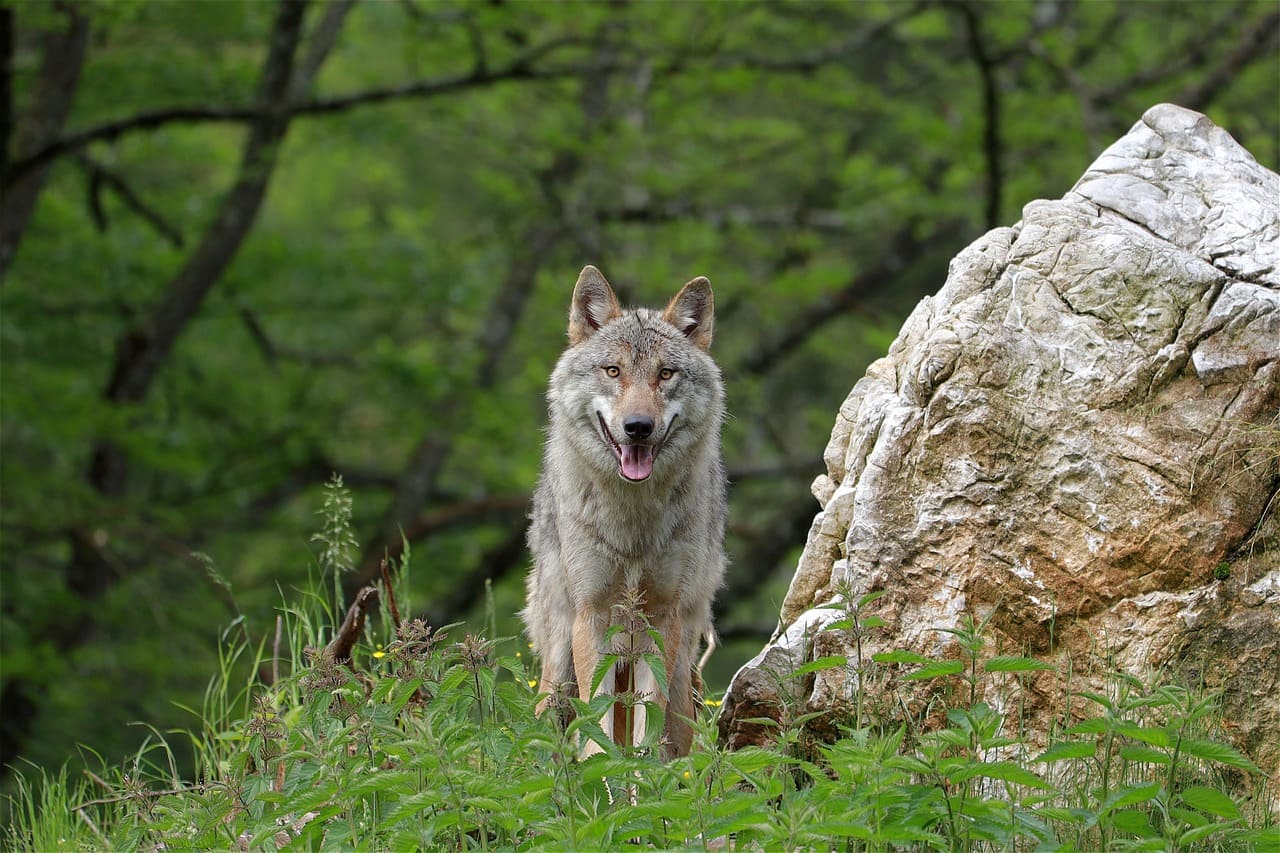
As predators of small even-toed ungulates such as roe deer and chamois, the lynx plays an important role in our ecosystem. Together with the wolf, it sits at the very top of the food chain and fills an ecological niche that is occupied by no other animal in Western Europe.
If too many even-toed ungulates live in a forested area, the forest has little chance of regenerating. By regulating ungulate populations, lynx and wolf promote the natural regeneration of the forest. Structurally diverse forests with both old and young trees provide a habitat for a wide variety of animals. They also protect us from natural hazards and offer us an attractive recreational space.
Switzerland's Special Responsibility
Today, Switzerland is home to the only contiguous, significant lynx populations in the Alpine region. Switzerland therefore bears a particular responsibility across Europe for the conservation and protection of this species.
June 11th is International Lynx Day.
Animal portrait:
More on the subject of recreational hunting: In our dossiers on recreational hunting gather fact-checks, analyses and background reports. What the research says about this is shown by Hunting fact-checked: the state of research.
The position of IG Wild beim Wild: IG Wild beim Wild rejects recreational hunting. Our model is the canton of Geneva, which has managed without recreational hunting since 1974: without hunting seasons, without hunting dogs, without driven hunts, without high seats, without the animal cruelty and crime that go hand in hand with hunting season elsewhere. What has worked there for over fifty years disproves every position paper by JagdSchweiz. An association that bases its policy on claims it refutes in its own documents is not a professional organisation, but a factory for misinformation.