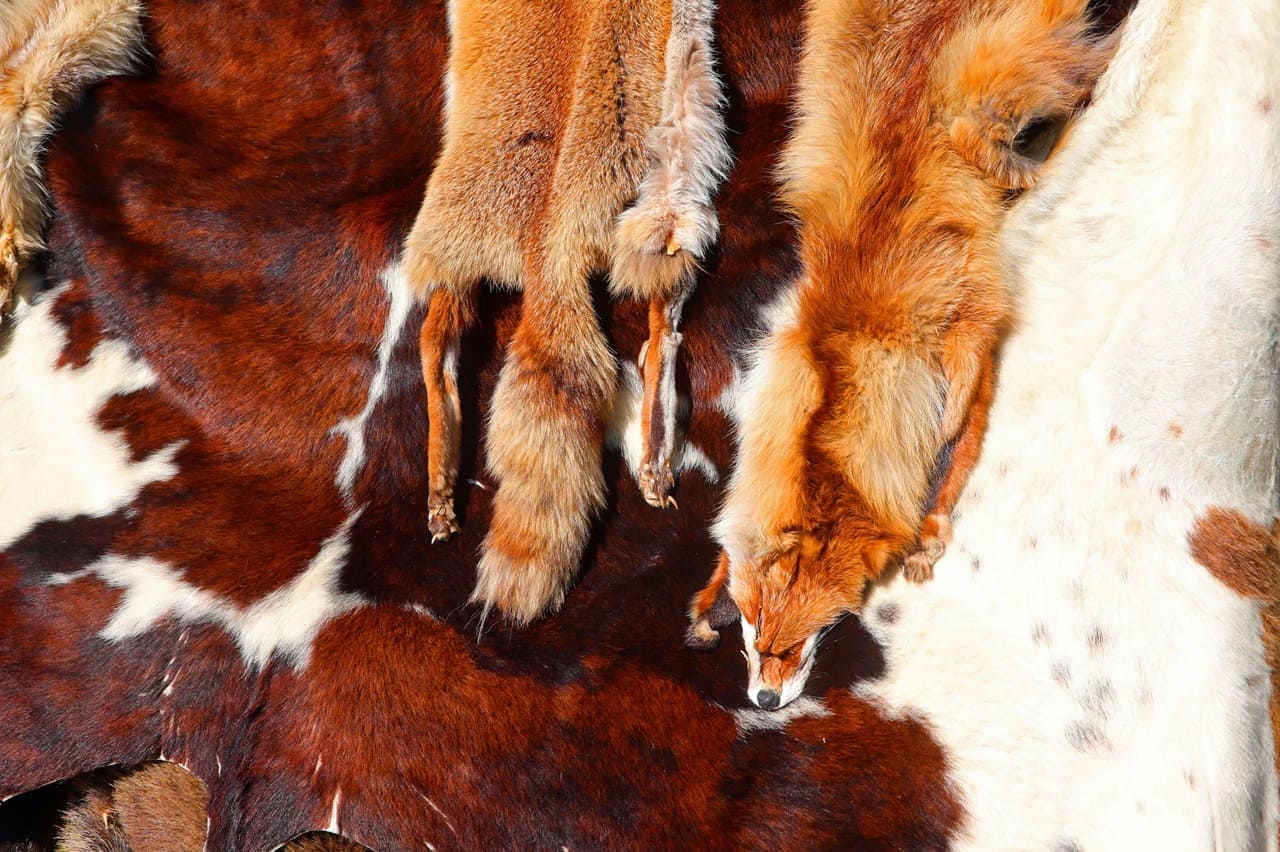
Agonizing Deaths: Tens of Thousands of Wild Animals Due to Missed Shots
Many wild animals die in agony because hobby hunters fail to shoot accurately. The belief in the “clean kill” is a widespread misconception.

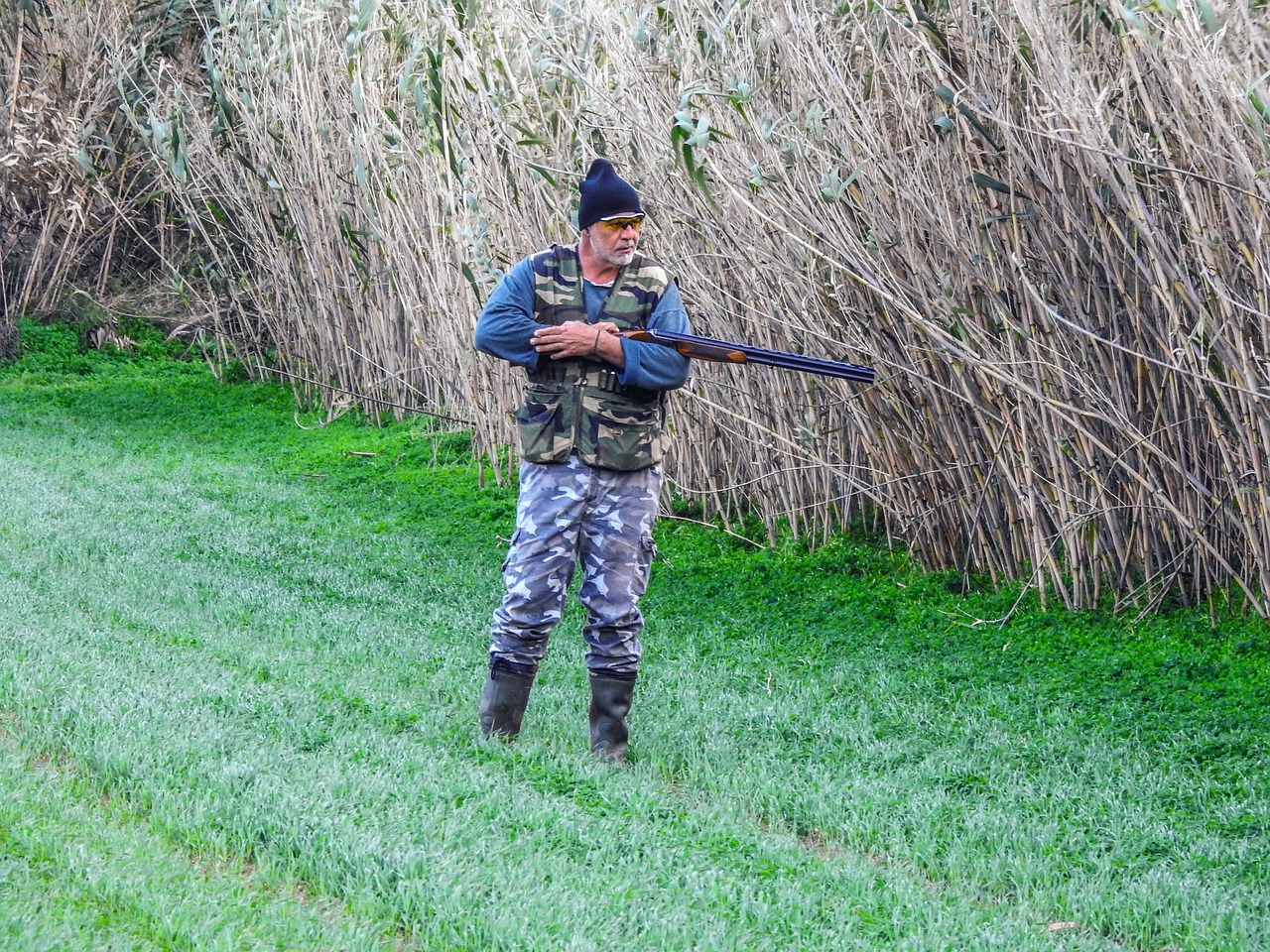
Many wild animals die in our forests because hobby hunters fail to shoot them accurately.
The belief that death by a hunter’s shot is better for animals than life in factory farms and slaughterhouses is a widespread misconception. The death of a struck animal can be prolonged and painful.
The Myth of the Clean Kill
It is often unclear how a struck animal dies. Hobby hunters are frequently left alone with their victims, which opens the door to animal cruelty . Even a shot to the heart region is not always immediately fatal, and the death struggle can last seconds. Wounded animals may flee hundreds of metres to hide, and their injuries can be extremely painful. The success rate of tracking searches for wounded game ranges from only 35 to 65 percent depending on the canton. This means that around half of the animals shot during recreational hunting cannot be relieved of their suffering despite a search effort.
No reliable statistics are kept on missed shots, tracking searches, and similar incidents. Tracking searches are in some cases not even subject to a reporting obligation.
There are no precise figures on this subject, as hobby hunters are reluctant to admit their mistakes. The annual hunting bag amounts to millions of living creatures, and many animals die in agony without being recorded in any statistics. Incompetence in conducting tracking searches is a further problem, and there is little reliable information on the meat quality of harvested game taking into account gunshot injuries.
It is known from Denmark that around one quarter of all foxes shot and found dead there show traces of previous gunshot wounds. Comparable figures for Switzerland do not exist, but there is cause for concern, particularly regarding the local hunting of roe deer, foxes, hares, red deer, and waterfowl.
Beyond the numbers, it is important to note that killing should not be a leisure activity, and much must change in hunting practice in order to secure the mandate for the continuation of hunting from an increasingly critical public.
The Geneva Model: Wildlife Wardens Instead of Hobby Hunters
The hunting ban of 1974 in Geneva brought an improvement in safety. Since its introduction, wildlife wardens in Geneva have taken over the tasks of hobby hunters. For culling operations, the wardens are only active at night and use image intensifiers and infrared technology. This helps locate the animals and also reduces the risk of accidents.
Hunters bear co-responsibility for the many wildlife-related road accidents. During hunts, especially during driven hunts, all animals are startled and flee for their lives in mortal fear — including across roads and into residential areas.
For state-employed wildlife wardens, there is no longer any reason to practise cruel hunting methods such as earth hunting, beating, driven hunting, and so forth.
Safety, Ethics, and Animal Welfare in Comparison
Wildlife wardens must be sober on duty. Hobby hunters vehemently oppose an alcohol ban during hunting. Wildlife wardens retire at 65 at the latest. The largest age group among amateur hunters is those aged 65 and over — those with age-related, visual, concentration, and reaction impairments, as well as deficits in training and practice.
Hobby hunting protects and benefits almost nothing. Not even wildlife listed as “vulnerable” on the Red List.
Night-vision devices are used today in various cantons (Zurich, St. Gallen, Thurgau, Aargau), with the canton of Geneva having served as a model for this practice. Their use increases shooting accuracy and reduces animal suffering. Telescopic sights, too, were once controversial and are now well established.
For these wildlife wardens, safety, ethics, and animal welfare a major role. Animal protection means above all the prevention of wounded animals. This happens on a massive scale wherever hobby hunters are active. Driven hunts are conducted, animals are shot and wounded, and are either found or not found — or only a week later. Stressful situations such as those caused by driven hunts — where the animals know: this is a truly terrible thing — no longer exist in the canton of Geneva. Nor are there any abused hunting dogs, which are usually forced to live a miserable life in kennels. Lead sows are not shot in the canton of Geneva — for ethical reasons. Because when the nursing mother is absent, the young die. The lead sows and the large boars are also not shot. This is intended to bring about stability within the sounder and in the animals' behaviour. All factors that far exceed the intellectual capacity of hobby hunters. In the canton of Geneva, there are regularly groups of orphaned wild boar from the surrounding cantons and France that come into the villages. Such leaderless piglets can of course cause significant damage. And it is well known that wild boar reproduce in an uncontrolled manner after the lead sow has been shot.
Although shooting takes place in darkness, 99.5 percent of animals shot in the canton of Geneva are immediately dead, thanks to the skilled work of the game wardens. The suffering is described as “minimal,” as is the stress for the animals that are not shot. There are almost no cases in which animals survive a shot wounded.
The culling operations carried out by game wardens in Geneva are not the same as the regulation of wildlife by hobby hunters and corrupt hunting authorities in the cantons, which is based on hunters’ jargon or a misguided understanding of nature.
Those who kill wildlife senselessly are not protecting it, and civilised society gains nothing from it. Amateur hunters have been creating an ecological imbalance in the cultivated landscape for decades.
In areas of our cultivated landscape without amateur hunters, one observes a higher biodiversity, lower densities of huntable wildlife species, less damage and fewer road accidents.
Regardless of animal protection legislation, hobby hunters commit appalling acts of animal cruelty and even criminal offences away from public scrutiny.
Conclusion: “Whoever torments animals is without a soul, and lacks God’s good spirit; however noble he may appear, one should never trust him.” Johann Wolfgang von Goethe